EVspecsHub.com EVspecsHub

2021 Kia EV6 Standard Range | 58 kWh 58.0 kWh 170 hp Battery, Horsepower, Range
The Light SR RWD gets scrolled past a lot, which is understandable but not really fair. 58 kWh battery, 54 usable, single rear motor — 125 kW, 168 hp, 350 Nm (258 lb-ft). WLTP puts it at 394 km (245 mi) and that figure doesn't embarrass itself in real use. Eight and a half seconds to 100 km/h (62 mph), so not something you'd brag about, but urban driving doesn't ask for more. The 800V platform is still here though — 175 kW DC charging, ten to eighty in about eighteen minutes at a fast CCS point. Eleven kW at home. Less range than the 77 kWh trims, lower price, same charging speed. For city use that's a perfectly reasonable exchange.

Alex EV Expert
Alex EV Expert
EV owner since 2021 • Last updated: March 18, 2026

Kia EV6

Standard Range | 58 kWh |  2021–2024

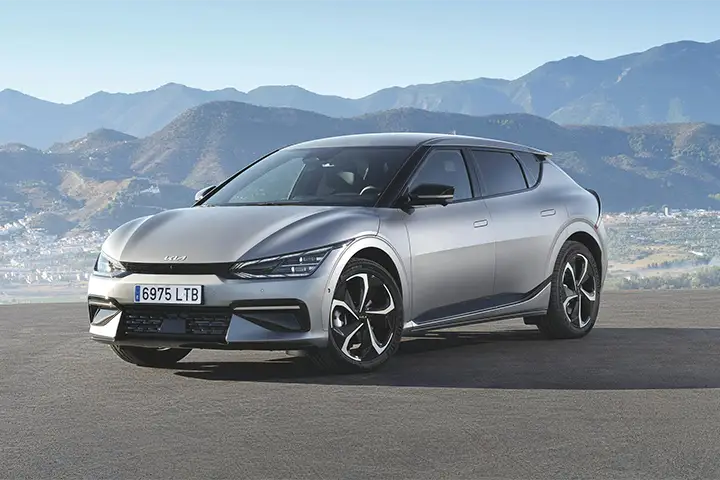
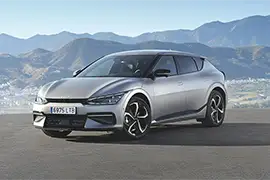
Front view of the Kia EV6 (2022–2024) electric crossover, showing LED headlights, aerodynamic bumper design, and the E-GMP platform with 800 V fast-charging capability.
Kia EV6 (2022–2024)
battery capacity
Capacity
range –
Range
power output
Power
acceleration
Acceleration
58 kWh
394 km

125 kW

8.5 s

Technical Data & Performance

Model Years2021–2024
Trim (Variant)EV6 - Standard Range | 58 kWh
Power (Horsepower)125 kW (170 hp)
Top Speed185 km/h (115 mph)
Torque350 Nm (258 lb-ft)
Acceleration8.5 sec (0–100 km/h)
8.5 sec (0–62 mph)
DriveRWD Rear-wheel drive
Motor details1x PSM (Permanent Magnet Synchronous Motor) | Hyundai Mobis / Kia.
Motor codeEM17

Battery & Charging

Battery Capacity & Size54.0 kWh usable,
58.0 kWh gross
Max Range394 km (245 mi) / WLTP
373 km (232 mi) / EPA
Consumption16.6 kWh/100 km
Battery TypeNCM (Nickel-Cobalt-Manganese)
Cell Format / SupplierPouch | SK On / LG Energy Solution
Battery Voltage697 V
Electrical Architecture800 V
V2L SupportedYes / 3.6 kW
Heat pumpYes
AC Home ChargingType2 / 1-phase - 7.4 kW (Max Power)
Type2 / 3-phase - 11 kW (Max Power)
DC Fast ChargingCCS2, 180 kW (Max Power)
18 min. (10–80%)
Charging UpdatesDC peak of ≈180 kW requires 800V stations; when using 400V chargers the rate is limited to ≈90 kW (10%–80% in ≈28–30 minutes).

Dimensions & Body

Type5 door, Crossover
Seating capacity5
ClassD‑Segment Crossover
Length4695 mm (184.8 in)
Width1880 mm (74.0 in)
Height1550 mm (61.0 in)
Wheelbase2900 mm (114.2 in)
Ground Clearance160 mm (6.3 in)
Curb weight1825 kg (4023 lb)
Gross weight2340 kg (5159 lb)
Trunk Volume520 L (18.4 ft³)
1300 L (45.9 ft³) max
TowingUnbraked: 750 kg (1653 lb), Braked: 1600 kg (3527 lb)
Drag Coefficient0.28
PlatformE-GMP | Hyundai Motor Group
Estimated Market Price
* for reference only
EUR 45,000 / USD 42,600

⚠️ Please note: actual vehicle specifications may vary depending on market, trim level, or available regional packages.

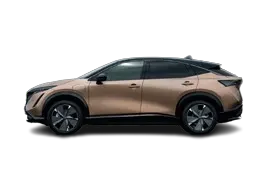
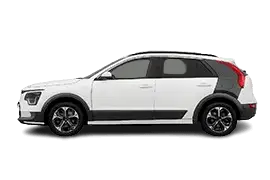
Side profile of the second-generation KIA Niro EV (2023–Present), highlighting its angular C-pillar with optional Aero blade, 2720 mm wheelbase, and 64.8 kWh usable battery, enabling a WLTP range of up to 460 km.
Niro EV (2023-pr.)
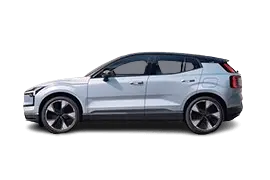
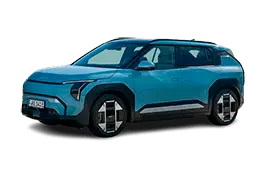
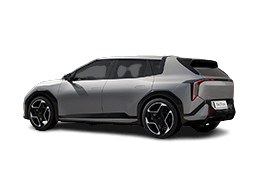
Kia EV3 side view compact electric SUV dimensions and profile
EV3 (2025-pr.)
Kia Ev4 2025 180
EV4 Hatchback 2025-pr.)
Kia Ev4 Fastback 2025 180
EV4 Fastback (2025-pr.)
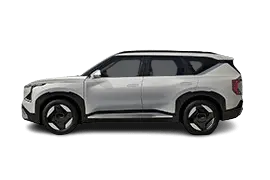
Kia EV5 side profile showing 2750 mm wheelbase and spacious electric SUV body.
Kia EV5 (2023-pr.)
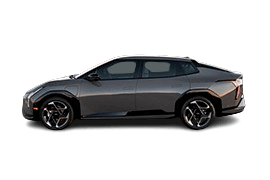
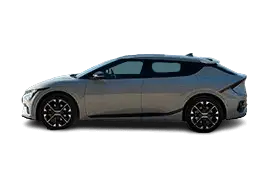
Side profile of the Kia EV6 (2025 facelift) electric crossover, highlighting its coupe-like roofline, new alloy wheel design, and long wheelbase with improved battery capacity up to 84.0 kWh.
Kia EV6 (2025-pr.)
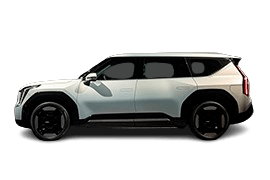
Kia Ev9 2024 180
Kia EV9 (2024-pr.)
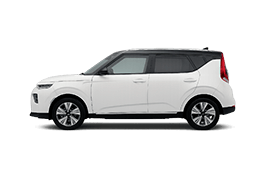
Kia Soul Ev 2019 180
Soul EV (2019-pr.)

Kia EV6 (2021–2024): Real Owner Data — Beyond the Official Spec Sheet

Let me be upfront about what this page is. Kia's spec sheet gives you 800V, 240 kW, 310 miles EPA — technically accurate, and completely useless the first time you pull into a fast charger in January and watch the power sit at 52 kW while mentally calculating whether you'll make the next stop. What's below is different: I've spent a lot of time going through what actual EV6 owners measured, logged, and figured out the hard way. OBD-logged battery capacity. Exact BMS temperature thresholds. What a back-to-back highway session looks like on the third charge stop in cold weather. The kind of data that doesn't appear in any press release — because nobody at Kia thought to publish it, and the people who found it were owners with OBD scanners and time on their hands.

This covers all five first-generation EV6 variants (2021–2024). Where the numbers differ between trims or build dates, I've flagged it directly.

  • Light RWD (Standard Range): 58 kWh pack, single rear motor, 125 kW (168 hp). No heat pump — not a footnote, a real-world difference in winter that I cover in section 3.
  • GT-Line RWD / Wind RWD (Long Range RWD): 77.4 kWh pack, single rear motor, 168 kW (229 hp). Heat pump from mid-2022 production onwards — but not on every early build, and there's a specific cutoff worth knowing before buying used.
  • Wind AWD / GT-Line AWD (Long Range AWD): 77.4 kWh, dual motor, 239 kW (325 hp). Same pack as LR RWD, front motor added. More capable in winter, costs you 20–30 miles (32–48 km) at highway cruise — whether that trade is worth it depends on where you live.
  • GT AWD: 77.4 kWh, dual motor, 430 kW (585 hp). Separate motor cooling circuit, e-LSD, launch control. Same gross pack size as the LR trims, but BMS calibration differs for sustained performance use. The range cost is real — I looked at a direct back-to-back comparison owners ran against the Wind RWD. Numbers in section 3.

1 Battery Pack — Cell Architecture & Real Usable Capacity By Variant

Kia publishes no cell-level specifications in any consumer document. Everything below comes from OBD scanner sessions, teardown threads, and owners who connected Car Scanner Pro and read what the BMS actually reported — not what the spec sheet says.

What's Actually in the Pack

All 2021–2024 EV6 variants use NCM811 lithium-ion polymer pouch cells from SK On (formerly SK Innovation). Not cylindrical — flat pouches, stacked in modules. The "811" means 80% nickel, 10% cobalt, 10% manganese. Higher nickel content is why Kia fits 77.4 kWh under a relatively flat floor. The tradeoff is that NCM811 is more thermally sensitive than lower-nickel chemistries during fast charging — and that sensitivity shows up directly in the charging curve (section 2).

The E-GMP platform is shared with the Ioniq 5. The long-range 77.4 kWh pack has 32 modules with 384 cells total. Standard-range 58 kWh: 24 modules, 288 cells. Each module holds approximately 2.37–2.42 kWh.

The Number Kia Doesn't Print

The "77.4 kWh" on the sticker is not what you draw between 0% and 100% on the dashboard. Multiple owners who logged their cars with Car Scanner Pro found the same picture:

  • Gross (physical) capacity: approximately 82.5 kWh
  • Accessible between 0–100% display: approximately 73.5–74 kWh
  • Top buffer: ~3.5% held above the 100% mark — BMS reads about 96.5% when the dash shows 100%
  • Bottom buffer: ~4.5% reserved below 0% display — the car will keep going past the empty warning, but it's not yours to plan with

So where does "77.4 kWh" come from? It appears to be the usable-plus-reserve figure — combining the 0–100% window with the sub-zero buffer. The number sits somewhere between gross and what you actually access. One owner put the planning rule simply: efficiency × 74 kWh, not 77.4. The results match what the car actually does on the road.

Degradation is slow when the pack isn't being thermally abused. One owner logged 0.4% capacity loss at 40,000 miles (64,370 km) on daily home charging. Another measured 73.2 kWh accessible at 100% SOC after 40,000 miles — down 300 Wh from delivery. A third owner at 58,000 miles (93,340 km) with over 700 DC fast charge cycles still shows 100% State of Health in their monitoring app. The pack holds up.

For those running OBD tools: Max cell voltage at 100% displayed SOC is 4.150V under normal BMS operation. The buffer above that threshold is only accessible at service level — not through charge limit settings or any owner menu.

2 DC Fast Charging — The Real Curve & Thermal Limits Long Range Variants

"10 to 80% in 18 minutes." That's the claim. It holds — but only with a warm pack, a genuine 350 kW station, and a starting SOC below 15%. Miss any of those and the number moves. Here's what the curve actually looks like based on owner-logged sessions.

The Shape of the Real Curve (77.4 kWh Pack, Warm Conditions)

The EV6's charging curve is unusually flat in the lower half — something owners who switched from other EVs consistently flag as a pleasant surprise. With a pre-conditioned pack at a 350 kW station:

  • 0–55% SOC: Power holds at 220–235 kW across most of this window. Brief peaks above 238 kW confirmed on 350 kW hardware. Average power across a full 10–80% session from owner logs: 153 kW.
  • 55–70% SOC: Step-down begins. 180–200 kW between 55–65%, declining toward 150 kW approaching 70%.
  • 70–80% SOC: Taper accelerates. Most sessions end the 80% mark at 100–130 kW.
  • 80–100% SOC: 30–60 kW. BMS protecting cells at high state of charge. Hardly anyone tops to 100% on DC unless they're heading into a genuinely empty stretch.

One thing worth knowing about 150 kW stations: one owner logged a sustained 172 kW at a nominally "150 kW" charger because the EV6's 800V architecture draws at lower amperage than 400V cars — extracting more when station voltage allows. The gap between "150 kW" and "350 kW" hardware is smaller on the EV6 than it looks on paper.

Where the BMS Actually Cuts Power — Exact Thresholds

An owner ran a full 0–100% session with continuous OBD logging and documented the thermal throttle steps precisely. The BMS monitors individual cell temperatures — specifically the hottest cell, not the pack average:

  • 45°C (113°F): First reduction — power drops to ~185 kW. Typically triggered at 54–62% SOC during a warm session.
  • 49–50°C (120–122°F): Steps down to 175–165 kW. Usually 62–68% SOC.
  • 51–53°C (124–127°F): 115–165 kW range, 68–76% SOC.
  • Above 53°C (127°F): Severe — 25–30 kW. At 77–81% SOC the BMS briefly drops to 1–6 kW for a cell-balancing check before resuming.

This is exactly why consecutive fast charges on a hot day degrade so visibly on the third stop: cells haven't cooled back below 45°C between sessions. The workaround owners pass around: once min battery temperature hits 25°C during charging, turn cabin A/C to max. The system re-prioritises cooling the pack over the cabin, which extends the window before you hit the upper throttle steps.

Cold Charging — The Temperature Map

A cold pack is capped just as precisely as a hot one. These thresholds come from owner OBD sessions logged at different ambient temperatures:

  • Below −4°C (25°F): ~50 kW
  • 0°C (32°F): ~59 kW
  • 5–14°C (41–57°F): 65–72 kW
  • 15–19°C (59–66°F): ~120 kW
  • 20–25°C (68–77°F): 145–200 kW
  • Above 25°C (77°F): Full 215–235 kW in the 26–54% SOC window

One owner pulled into a 350 kW charger in New Hampshire at 22°F (−6°C) with 50% SOC. Power settled at 47 kW and stayed there for the entire session. Not a charger fault — a cold pack doing exactly what the BMS temperature map says it would. I've seen this scenario come up enough times in owner communities that it's not a fluke; it's a predictable outcome when you skip preconditioning in winter.

Battery preconditioning was added via OTA for builds from approximately mid-July 2022 onwards, and as a dealer-applied update for earlier 2022 model-year cars (owners confirmed this at service visits from October 2022). The system activates when a DC fast charger is set as a navigation destination and pack temp is below 21°C (70°F) with SOC below 24%. It uses about 1.6 kWh — roughly 2% displayed SOC. One owner's direct comparison: no preconditioning from a 15°C (59°F) cell temp, session opens at 60 kW. Same car, same charger, 15 minutes of preconditioning beforehand: session opens at 190 kW. That 1.6 kWh investment pays back in roughly four minutes of charge time.

If your build date is before mid-July 2022: Preconditioning doesn't arrive over the air — it requires a dealer service visit. Quite a few used early EV6 buyers discovered this after the fact. Worth checking before you buy if it matters to your use case.
V2L and preconditioning both cut off below 20% SOC. The BMS enters "low battery" mode at 20% — the Kia app icon turns red and both features disable. If you're running appliances from V2L at a campsite, don't let it drain past that threshold without a plan.
AC charging: 11 kW on-board charger across all variants. On a 7 kW home wallbox the 77.4 kWh pack takes about 7 hours 20 minutes from near-empty. On 240V / 32A Level 2: around 8 hours. On a 120V outlet: roughly 72 hours. Nobody does the last one on purpose.

3 Real-World Range — What Owners Actually Log All Variants

EPA and WLTP figures come from controlled test cycles with no climate control and ambient temperatures that don't exist in most of the places people actually drive. Below is what owners log in the real world — including a direct comparison test I found documented by someone who ran two variants side-by-side on the same day.

By the Numbers

Variant EPA / WLTP Highway 65–75 mph (105–120 km/h) Winter / below 0°C (32°F)
Light RWD (58 kWh) 232 mi / 373 km ~175–195 mi (280–315 km) ~145–165 mi (233–265 km)
GT-Line / Wind RWD (77.4 kWh) 310 mi / 499 km ~245–275 mi (395–440 km) ~190–230 mi (305–370 km)
Wind / GT-Line AWD (77.4 kWh) 282 mi / 454 km ~220–250 mi (354–402 km) ~185–215 mi (298–346 km)
GT AWD (77.4 kWh) 206 mi / 332 km ~180–210 mi (290–338 km) ~150–180 mi (241–290 km)

The LR RWD is where the range story gets good. One owner ran a dedicated efficiency test in autumn and logged 4.88 mi/kWh (7.9 km/kWh). Another commuting I-85 between Georgia and North Carolina at 68 mph (109 km/h) averaged 3.9 mi/kWh (6.3 km/kWh) — then noticed that pumping tire pressure from 36 to 42 psi across two identical back-to-back runs pushed that from 3.5 to 4.1 mi/kWh (5.6 to 6.6 km/kWh). Not placebo — 17% more range from a free adjustment. In Scotland at 70–75 mph in ECO, one owner consistently hit 290+ miles (467+ km) in summer and 240–250 miles (386–402 km) in January. Both figures held up over an entire season, not just one good day.

The LR AWD costs roughly 20–30 miles (32–48 km) versus the RWD at highway cruise. In ECO mode the front motor disengages above roughly 15–20 mph, which helps on mixed driving. Switch to Sport and both motors stay engaged permanently — you feel it on the efficiency readout by the end of a long day. Worth knowing before you buy if motorway range matters.

For the GT AWD I tracked down a direct back-to-back comparison someone ran with both cars: GT vs Wind RWD, same day, 61 mph (98 km/h) cruise, ECO mode, same ambient temperature. GT reached turtle mode at 221 miles (356 km), averaging 3.0 mi/kWh (4.8 km/kWh). Wind RWD reached it at 271 miles (435 km) at 3.7 mi/kWh (6.0 km/kWh). Same test repeated at 75 mph (121 km/h) in 42°F (6°C): GT returned 180 miles (290 km), Wind RWD returned 248 miles (399 km). If you're buying the GT for road trips, you're making two charging stops for every one the RWD makes. That's the real cost of 430 kW.

Winter Range — The Honest Numbers

The Light RWD has no heat pump — resistive heating draws straight from the pack. In sub-zero conditions those owners see 35–40% range reduction versus EPA. LR and GT variants include a heat pump (from mid-2022 production; earlier cars vary by market), and owners switching from resistive-heat cars consistently report about 10% better cold-weather range for the same route.

A GT-Line S AWD owner in the UK measured 267 miles (430 km) in December — dropping 20–30 miles (32–48 km) with heating active. A GT AWD owner in the northeastern US running 75 mph (121 km/h) at 30–40°F (−1 to 4°C) without preconditioning averaged 2.4–2.5 mi/kWh (3.9–4.0 km/kWh) — roughly 178–185 miles (286–298 km) from a full charge. A Norwegian fleet test in early 2022 put the LR RWD at 267 miles (430 km) at 56 mph (90 km/h) in 34°F (1°C) with no wind — respectable, but a real gap from the 310-mile (499 km) EPA sticker.

The planning rule I keep seeing come up independently from owners in Norway, Scotland, Germany, and the northern US: multiply EPA by 0.63–0.70 for winter highway driving. The nav system gives a more conservative estimate than the GOM — trust the nav on longer cold-weather trips, not the bar graph.

Why the Range Display Drops After the First Few Weeks

The most common panic post from new EV6 owners: "Car showed 300 miles at delivery, now shows 242 miles three weeks later — is something wrong?" Nothing is wrong. The GOM calculates range from recent driving history, temperature, and efficiency patterns. At delivery it has no history and defaults to optimistic figures. After a few real charging cycles it recalibrates.

One AWD GT-Line owner who averaged 3.2 mi/kWh (5.1 km/kWh) over six months — including winter driving — saw exactly 236 miles (380 km) at 100% SOC on their dash. The math: 3.2 × 74 kWh usable = 237 miles. The GOM and the real-world number aligned precisely once the car had enough history. If your number dropped and you're in the middle of a cold spell, check again in April before worrying about battery health.

📋 Full technical specifications by variant:
Note: Figures here come from owner OBD logs, forum-documented measurements, and real-world driving reports — not Kia's official publications. Build date, software version, market, and ambient conditions all affect real numbers. The mid-2022 preconditioning cutoff is flagged in the text. For anything safety-critical, verify with a certified EV technician. Data current as of March 2026.
Back to guide

Kia EV6 Model Year Guide: Changes, Updates & What to Buy

Pick up a 2021 EV6 and a 2025 EV6 side by side and the differences go well beyond the bumper shape. The battery chemistry changed. A performance variant nobody expected showed up a year after launch. The charging port standard switched entirely. Worth knowing which version you're actually looking at.

1 Generation I — Launch Specs (2021–2022) Production Start

The 800V system was the story in 2021. Other mainstream EVs were running 400V architecture — the EV6 (built on Kia/Hyundai's E-GMP platform) charged at double the voltage. That's why the DC numbers looked so different from competitors at the time. Three variants at launch:

  • Standard Range RWD (Light): 58 kWh, 125 kW (168 hp), 350 Nm, rear motor only. No heat pump — something that doesn't show on a spec card but shows up hard in winter range. Worth pulling the build sheet on any used 2021–2022 Light.
  • Long Range RWD: 77.4 kWh, 168 kW (229 hp), 350 Nm. EPA 310 miles (499 km). One motor, better cruise efficiency — owners switching from other EVs at the time kept noting the highway consumption numbers held up better than expected.
  • Long Range AWD: 77.4 kWh, 239 kW (325 hp) combined, 605 Nm, heat pump standard. EPA 274 miles (441 km). The second motor is always doing something at highway speed, which is where the 36-mile EPA gap versus the RWD actually comes from.
  • DC charging: 240 kW peak. Around 18 min for 10–80% at a 350 kW station, pack warm.
  • AC charging: 11 kW on all trims.
  • V2L: 3.6 kW output — external rear port and internal cabin socket, standard on Wind and above. Unusual inclusion at this price point in 2021.
  • Drag coefficient: 0.288 Cd.

2 The GT Arrives — 2022 Performance Variant

Twelve months after launch, Kia showed the GT. It uses the same 77.4 kWh gross pack as the Long Range variants. Everything around the drivetrain is different:

  • Dual-motor AWD, 430 kW (585 hp), 740 Nm. 0–100 km/h in 3.5 seconds.
  • Electronically Controlled Suspension (ECS) with GT-specific calibration — tuned separately from the LR AWD, changes the handling character through corners.
  • Rear e-LSD — Kia fitted a proper hardware limited-slip differential on the rear axle.
  • Four-piston monoblock front calipers, sized for repeated hard braking.
  • Michelin Pilot Sport 4S — standard fitment on every GT, no upgrade required.
  • Drift Mode — first production Kia with this. Rear torque bias, ECS and traction recalibrated. Functional on track.
  • EPA range: 206 miles (332 km).

I looked at data from an owner who ran both a GT and a Wind RWD back-to-back — same day, 61 mph, ECO mode. The GT hit reserve at 221 miles (356 km); the Wind RWD kept going to 271 miles (435 km). Both cars had the same 77.4 kWh pack. The GT's additional motor is what consumed the difference, and it does so consistently, not just on that one run.

3 Mid-Cycle Facelift — 2025 Current

LA Auto Show, November 2024. Four changes under the skin worth knowing about.

Battery Chemistry Updated, Pack Grew

Long-range pack: 77.4 → 84 kWh. Standard pack: 58 → 63 kWh. Neither pack changed physical dimensions — the extra capacity came from updated high-nickel NCM cells with better energy density per unit volume. LR RWD EPA goes to 319 miles (513 km). DC peak holds at 240 kW; 10–80% is now listed at 20 minutes, up from 18, because there's simply more pack to fill.

V2G Added

The 2025 gains Vehicle-to-Grid capability — the battery can export power back to the electricity grid. V2L at 3.6 kW to appliances was already there from 2021; V2G is a step further, making the car usable as a home energy buffer. Kia's VP of Sales confirmed it at the LA reveal. Compatible infrastructure varies by market.

Charging Port: Connector and Side Both Changed

Georgia-built 2025 EV6s (all except GT) moved from CCS to NACS (SAE J3400). Port location shifted from the right rear fender to the left side — matching Supercharger stall geometry, so nose-in parking works. A CCS adapter ships with the car for stations that haven't updated yet.

GT Power Bump

Standard output goes to 447 kW (601 hp), with 478 kW (641 hp) in GT Launch Mode. 0–100 km/h is now 3.4 seconds. Kia also added Virtual Gear Shift — motor torque modulation that simulates gear changes, comes in the GT package.

2025 vs discounted pre-facelift? The 84 kWh pack gives you real additional range per charge — how much depends on your efficiency, but it's not a marginal difference over time. If there's a good deal on a 2023–2024 at a dealer, factor in how many years you plan to keep the car before deciding the lower price settles it.
Back to guide

Kia EV6 (2021–2024): Real Owner Reviews & Honest Impressions

I spent a lot of time in owner communities putting this together. What keeps coming up isn't the spec sheet stuff — it's the charging speed that makes people at the next stall ask questions, the piano black that drives everyone slightly mad, and the navigation that at least one owner blames for a tow truck call. Here's what living with the EV6 actually looks like.

1 The Design — Splits People, Then Wins Them Over

The EV6 is not a neutral car. Some owners say they fell for it the moment they saw it. Others took time to warm up — they came expecting a conventional crossover silhouette and got a low, stretched coupe shape instead. One owner described pulling up next to an EV6 at a dealership and assuming it was a Jaguar i-Pace before reading the badge. That reaction seems to happen a lot in parking lots.

Photos consistently undersell the size. Multiple owners mention that people seeing the car in person for the first time are caught off guard by how substantial it feels. The rear end gets the most consistent praise — even from people who weren't immediately sold on the front. One forum member at 28,000 miles wrote that it's the first car in his life where nothing in a showroom has tempted him to trade up. That came from someone who had owned 22 vehicles before the EV6.

2 Interior — Impressive, With a Few Honest Caveats

One owner compared build quality to his 2020 Mercedes after 12 months and 8,000 miles — and said the EV6 held up equally well. Another, coming from a $43,000 German car, said he couldn't point to anything that felt worse. That's the general tone from people who've had time with it: not a premium cabin in the traditional sense, but solid, well-assembled, and genuinely pleasant to spend time in.

The piano black is the recurring complaint. Center console, accent trims — fingerprints collect faster than most people want to deal with, and the sun hits it in ways that distract. Several owners wrapped it in matte film within the first month. The perforated leather seats on upper trims also come up regularly: they look good, get dirty fast, and require more frequent cleaning than a flat surface would.

Front headroom gets flagged by taller drivers — the roofline is low, and finding the right seat position takes longer than expected. Most settle in eventually. The central storage bin under the console is genuinely useful; the glovebox is genuinely small. One owner called it the one place Kia clearly didn't think things through.

Frunk (front trunk): Universally described as barely functional — a charging cable and a small bag, that's about it. The rear boot and under-floor storage area are where the practical capacity actually lives.

3 How It Drives — Better Than Expected

This is where people consistently get surprised. The EV6 was bought by many owners primarily for its charging speed and range. The driving part turned out to be a bonus they didn't fully anticipate.

Ride quality is comfort-tuned — softer than a Tesla Model 3, noticeably softer than the GT. It handles big bumps without drama. Fine-grained city chop on 20-inch wheels gets more complaints than the 19-inch setup. Steering is light with limited feedback, which tracks for a family EV — nobody seems particularly bothered by it given what the car is for. Highway cruising is notably quiet; owners mention this often, and a few note that a minor rattle they can't locate is more irritating specifically because the baseline noise level is so low.

AWD acceleration genuinely impresses people, consistently, long after delivery. One owner who clocked 12,000 miles in three months on a brutal daily commute said he still finds excuses to take longer routes. GT mode in the GT variant is sharp enough that one tester described it as requiring some getting used to before you're comfortable with it. Sport mode is where most people settle as the daily sweet spot.

4 Charging — The Main Story, With Two Footnotes

The 800V architecture is what brings most people to the EV6 in the first place, and it delivers. One owner described sitting next to a Polestar driver at a public charger — the Polestar was still waiting past an hour when the EV6 finished at 17 minutes. That kind of contrast gets talked about, and I've seen versions of it across many forum threads. At a proper 350 kW station with a warm pack, 10–80% in 18 minutes is real.

Two footnotes. First: early 2021–2022 cars had ICCU (integrated charging control unit) issues that caused interrupted AC charging sessions. Kia issued a firmware fix, and 2023 models had the corrected version from the factory. If you're buying a used 2021 or 2022, check that the ICCU update was applied — it matters for overnight home charging reliability. Consumer Reports dropped the EV6 from its recommended list largely because of this issue concentrated in the 2022 model year.

Second: the built-in navigation for EV routing is weak, and owners say so directly. One owner was towed to a charging station after the car directed him to a location that turned out not to exist. The majority of long-distance EV6 drivers now use a phone for route planning and only touch the car's navigation for basic directions. Battery preconditioning was added in mid-2022, but accessing it through the car's own system is described as clunky — most owners who want it trigger it by setting a charger as a destination and letting the car handle it automatically.

2022 ICCU issue: AC charging interruptions were the main reliability problem for early builds. Kia's firmware fix resolved it for most affected cars. When buying used, confirm with the dealer or in service records that the ICCU update and SC327 recall service were completed. 2023+ cars came with the fix already installed.

5 V2L — The Feature That Keeps Coming Up

Vehicle-to-Load at 3.6 kW — external port at the rear, socket inside the second row — is one of those inclusions that owners bring up unprompted months after buying. One owner calculated that it replaces a portable power station costing around $3,500 and takes the car camping as a matter of course now. Others use the external outlet for power tools on job sites. A few ran household appliances through power outages. It's not a feature people try once and forget.

6 Compared to What Came Before

The EV6 is Kia's first car on a purpose-built EV platform — there's no direct technical predecessor. The closest reference point is the Kia Niro EV and Soul EV, both adapted from ICE platforms with 400V charging. The gap is large. Owners who switched from a Niro EV describe the charging experience as moving to a different category entirely — not just faster, but a different relationship with public charging infrastructure altogether. The 18-minute stop that used to take an hour changes how you plan trips, which changes how willing you are to take them.

7 What's Actually Annoying

  • Navigation: Poor EV route planning, outdated maps, updates twice a year and only via USB unless you pay for Kia Connect. Most owners gave up and use their phone. This comes up in nearly every long-term review.
  • Piano black everywhere: Centre console, accent strips. Fingerprints and glare. The owners who didn't wrap it in matte film wish they had.
  • HDA following distance: Highway Driving Assist maintains a gap that feels too large in dense traffic. Aggressive drivers cut in constantly, the system brakes every time, and it breaks the rhythm of cruise control. Mentioned by multiple owners on long motorway runs.
  • Rain sensor wipers: Inconsistent. Can go to full speed in light mist, or sit still in a downpour. Several owners switched to a manual setting and left it there.
  • Kia Connect subscription: Voice commands require a paid subscription, and even then the voice recognition is unreliable enough that most owners don't use it. The app itself gets mixed reviews — functional, but not polished.
  • 12V battery: On 2022–2023 cars, owners monitor the 12V auxiliary battery more than they'd like. Several proactively replaced it with an upgraded unit. Not a critical failure in most cases, but it's present enough in forum discussions that it's worth knowing about.
Overall: Most EV6 owners talk about their car with a warmth that's unusual for a mainstream product at this price. The charging speed is real and consistently impresses. The driving experience over-delivers on what a family EV is expected to feel like. The frustrations — navigation, piano black, HDA quirks — are real but liveable. The 2022 ICCU issue was the one that actually bit people, and it's worth verifying on any used early build. Those who got through that cleanly, which is most 2023+ owners, tend to say the same thing: didn't expect Kia to pull this off.
Back to guide

Kia EV6 (2021–2024): Real Owner Problems & Known Fixes

Everything here comes from real ownership — not press loans, not manufacturer briefings. People who paid for these cars, drove them through winters, waited weeks for parts, and still posted honest takes online. I went through a lot of those threads so you don't have to.

Before EV6 How It Compared to What Came Before

Kia had EVs before this. The Soul EV did what it was designed to do — sensible, urban, easy to live with. Not a car that stuck in your memory. The Niro followed the same logic. Then E-GMP arrived, and with it the EV6: a proper purpose-built electric platform, 800 volts, a car that actually moved with intent. People who traded in their Soul EV described it as stepping into something a generation ahead. That gap is real. So is the fact that first hardware on a brand-new architecture carries a different kind of risk — and some EV6 owners paid for that.

1 ICCU Failure — The Biggest Issue

Most people learn what ICCU stands for the hard way. It sits quietly managing three things: charging the car at home on AC power, keeping the small 12V auxiliary battery alive, and running V2L when you need it. You don't notice it working. You definitely notice when it stops. What happens first is subtle — the home charger just doesn't engage one morning. Easy to assume it's a cable thing, an app glitch, a temporary hiccup. Then the 12V battery starts losing ground slowly. Then one day there are warning messages stacking up on the screen and the car has throttled itself to 30 km/h in traffic.

One owner described pulling off a busy road with 83% main battery charge showing on the screen. The car wouldn't move again. He'd never heard of ICCU before that morning.

A recall covered roughly 63,000 EV6s from 2022–2024. The fix is a replacement unit plus software update. The catch: parts have been chronically short. Five to eight weeks for repair became a normal wait. Some owners were without their car for the better part of three months. A handful got through two replacement units before the problem stayed fixed.

If home charging suddenly stops: don't wait. That's often the first sign. Once the 12V battery goes completely flat, the main pack can show full charge and the car still won't start. DC fast charging alone won't keep the 12V battery healthy over time.

Something that helped a lot of people: swapping the stock 12V battery for an AGM unit early on. The factory 12V is genuinely underpowered for what this platform asks of it. Several service techs have said the same thing off the record. It doesn't stop ICCU hardware from dying, but it gives you more warning time when something starts going wrong.

2 Air Conditioning Failures

This one hit 2022 and 2023 builds harder than anything else after ICCU. AC compressor failures, leaking condensers, refrigerant disappearing with no obvious cause. One owner noticed warm air on the drive home from the dealership — delivery day. Turned out both the evaporator and condenser were leaking. Each part took ten days to arrive. He was without the car for five and a half weeks on a brand-new purchase.

Cars built through 2024 tell a different story. If you scroll through owner discussions and filter by model year, the AC complaints drop off sharply on later builds. Whatever changed in production, it seems to have worked. If you're looking at a 2022 or early 2023, it's worth asking about AC service history before committing.

3 Software & Infotainment

Nothing here is going to leave you stranded. But some of it is going to follow you for years. Wireless CarPlay and Android Auto aren't there — you need a cable, or a third-party USB adapter. On a car at this price point, that surprised a lot of buyers who assumed it was standard. The navigation voice guidance has a delay that kicks in at exactly the wrong moments — you're already committed to the lane by the time it tells you where to go. Driver profiles load inconsistently; you tap yours, sit down, and nothing moves.

The one that generated the longest owner threads by a wide margin: the car doesn't automatically lock when you walk away. People discovered they'd been leaving their EV6 unlocked in car parks for months before noticing. Third-party plug-and-play modules now fix this, but it shouldn't require a workaround.

4 i-Pedal Brake Light Behaviour — A Safety Note

i-Pedal lets you drive on one pedal, slowing through regen without touching the brake. On early builds, the brake lights stayed off during that deceleration unless you physically pressed the pedal. The car ahead of you is slowing hard — but the driver behind sees nothing. Several close calls were reported. A software update addressed the light behaviour. If you're buying used, confirm this update is on the car before using i-Pedal in real traffic.

5 Smaller Issues Worth Knowing

The driver's seat has a lateral movement on some cars — a slight rock under hard braking or acceleration. Annoying, warranty-covered, but reported across enough different owners to be a pattern rather than bad luck. The charging port LED looks great in photos and is useless at night — you're feeling for the port in the dark. The missing rear wiper is a deliberate design call that owners in wet climates curse regularly, while those in dry regions say they've never missed it.

Before buying used: run the VIN through the NHTSA recall lookup and Kia's recall page. The ICCU campaign (SC302), a driveshaft recall on some 2023–2024 builds, and the parking brake campaign are the main ones. An unresolved recall on a used car is worth asking about directly — it tells you something about how that car was looked after.

6 What Doesn't Come Up in the Complaints Threads

Here's the thing: most of the people writing the longest complaint threads about ICCU wait times end the post with something like "still love this car." That's worth paying attention to. The 800V charging is genuinely fast by any current standard. The GT and GT-Line AWD have a kind of urgency that owners with crossover backgrounds find genuinely unexpected. Cabin noise at speed, long motorway stints, the way it sits on the road — these come up in positive posts as consistently as ICCU comes up in negative ones. Main battery health at 50–80,000 km is generally unremarkable. AWD winter traction gets specific praise from colder markets. Asked whether they'd buy again, 77% of surveyed EV6 owners said yes.

That number doesn't cancel out the problems above. But it does give them context.

Note: This piece is built from owner accounts, NHTSA records, and service reports shared publicly across ownership communities. It's a starting point — not a substitute for a pre-purchase inspection by someone who actually knows what they're looking at. Current as of early 2026.
Back to guide

Kia EV6 vs Competitors: How Real Buyers Choose (2021–2024)

After going through hundreds of threads where people explained what they almost bought instead — and why they didn't — five names kept coming up: Model Y, Ioniq 5, Ioniq 6, Mustang Mach-E, ID.4. Each comparison tells a different story. None of them play out the way the spec sheets suggest they should.

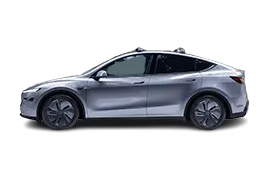
1 Tesla Model Y (2021–2024)

  • Battery: ~62 kWh or ~82 kWh usable.
  • Range: 330–600 km WLTP depending on variant.
  • Architecture: 400V.

This one takes the longest. People who end up with an EV6 often spent weeks circling the Model Y first — the Supercharger network is a real argument, OTA updates that genuinely change how the car behaves are a real argument, resale values holding better than almost anything else in the segment are a real argument. I'm not going to pretend those things don't matter.

What tips it: one forum member placed a Model Y order, waited 14 months, then bought an EV6 while waiting. When the Tesla finally arrived, he sold it. His comment was that every Tesla-owning friend who saw both agreed the Kia looked better — and that after six months with the EV6, he stopped thinking about Superchargers at all. That trajectory shows up in a lot of threads. It's usually not a single reason that wins the argument; it's six months of not missing the thing you thought you'd miss.

A UK owner who switched from a Model 3 after phantom braking became a real anxiety on the motorway put it differently. The EV6's HDA has its own quirks — the following distance frustrates people in dense traffic — but that particular complaint, the car braking hard for no visible reason at 110 km/h, doesn't come up. For some buyers that specific issue is the whole decision.

Where Tesla still wins outright: regular 400+ km days where you want to stop without checking apps, call ahead, or hope the station isn't full. The 800V speed advantage on the EV6 doesn't help if the 150 kW charger you're relying on is occupied. For that use case, the Supercharger network is genuinely the right answer and the EV6 isn't a substitute.

2 Hyundai Ioniq 5 (2021–2024)

  • Battery: 58 kWh or 77.4 kWh usable.
  • Range: 385–507 km WLTP.
  • Architecture: 800V, E-GMP — same platform as the EV6.

Same platform, same battery sizes, same charging architecture. People who walked into a showroom planning to buy an Ioniq 5 and walked out with an EV6 order are not rare — and neither is the reverse. These two are close enough that the differences doing the actual deciding are smaller than the price gap suggests.

The Ioniq 5 is a noticeably bigger car inside. One owner described climbing into the Ioniq 5 after driving an EV6 as "stepping into a room." Rear headroom, shoulder room, flat floor, sliding centre console — if you regularly carry adults in the back or need maximum flexibility in how you load the cabin, the Ioniq 5 has a real case. Families with three across the back tend to land there.

The EV6's body is lower, narrower, and has a smaller frontal area — which shows up clearly at 120+ km/h. Owners who do mostly solo highway driving and checked their consumption logs after switching from an Ioniq 5 consistently noted better efficiency numbers in the EV6. The driving character is also different: not a dramatic gap, but testers who drove both on the same roads describe the EV6 as more responsive and the Ioniq 5 as more settled. Neither is wrong. They're tuned for different priorities.

How it usually breaks: two adults, road trips, range efficiency → EV6. Family, rear seat space, maximum interior flexibility → Ioniq 5. Either way you're on the same 800V platform with the same powertrain. The body shape is what you're actually choosing between.

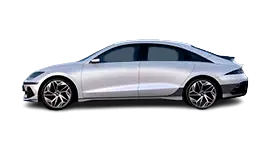
3 Hyundai Ioniq 6 (2023–2024)

  • Battery: 53 kWh or 77.4 kWh usable.
  • Range: 385–614 km WLTP.
  • Architecture: 800V, E-GMP.

The Ioniq 6 has the best range figures of anything on the E-GMP platform. LR RWD in Europe leads the segment on WLTP. If rated range is the main criterion, it wins this comparison without much debate.

The issue that comes up: it's a fastback sedan, and that body shape costs you boot access. One forum thread that ran over 40 replies on this exact question landed somewhere around: the Ioniq 6 is right if you mainly load bags from the top and travel light; the EV6 is better if you're regularly sliding awkward cargo in from behind. A Belgian owner who drove an Ioniq 6 as a loaner for three months before his EV6 arrived ended up keeping the EV6 specifically because of this — he said the Ioniq 6 offered better value at that point but the body style bothered him more than he expected in daily use. Three months of living with it is more honest data than a test drive.

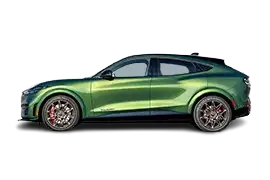
4 Ford Mustang Mach-E (2021–2024)

  • Battery: 68 kWh or 88 kWh usable.
  • Range: up to 500+ km WLTP.
  • Architecture: 400V.

In early US cross-shopping threads from 2021–2022, the Mach-E came up constantly. Ford's dealer network, the recognisable styling, a genuinely roomy interior — these were real points in its favour. The two things that kept pushing buyers toward the EV6 were the charging architecture and the price once federal tax credits were applied.

On charging: the Mach-E's DC curve drops off after 80% in a way that frustrated owners doing back-to-back highway sessions. One US buyer who ran both through his regular route described the Mach-E's charging behaviour as something he'd associate with an older generation of EVs — fast at the bottom, unpredictable at the top. The EV6's curve holds flatter through a wider SOC window, which matters when you're doing three charging stops in a day, not one.

The boot and interior space are genuinely better in the Mach-E — taller body, more practical cargo access. Buyers who prioritised that over charging speed went there. The ones running regular road trips with multiple stops didn't.

Used market note: the price gap that made the EV6 an easy choice in 2022 has closed considerably on the used market. If you're buying used today, run the current numbers — the charging architecture argument carries the same weight, but the cost advantage may not.

5 Volkswagen ID.4 (2021–2024)

  • Battery: 52 kWh or 77 kWh usable.
  • Range: 352–559 km WLTP.
  • Architecture: 400V, MEB platform.

This comparison shows up more in European forums than US ones. VW's dealer network and platform familiarity carry real weight for buyers who've owned VW Group cars before and want to stay inside that service ecosystem. An established service history with a known brand is worth something, and I'm not going to dismiss it.

An Australian owner went through the comparison methodically — same year, similar spec, same price range — and came out firmly on the EV6 side: 7-year warranty versus 3 years in his market, faster charging, better range. The VW badge and dealership network were the only concrete advantages he could identify for the ID.4. In Europe the ID.4 sometimes undercuts the EV6 by €3,000–€5,000 on similar specs, which changes the conversation. Owners who went ID.4 and stayed happy are mostly city drivers for whom DC fast charging rarely comes up. Those who regret it tend to be the ones who started doing longer trips and kept hitting the charging speed ceiling.

ID.4 makes sense when: VW dealer access is genuinely important in your area, the price difference is significant in your market, and most of your driving is within a range where DC charging rarely happens. For regular motorway use with fast-charging stops, most cross-shoppers end up on the EV6 side of this one.

6 Where the EV6 Actually Lands

Going through everything: the EV6 wins when charging speed, driving character, and how the car looks matter most. It loses when rear cabin space, a dedicated charging network, or deep software integration are the priorities. The buyers who end up regretting the EV6 are usually the ones who needed more room in the back, or who started doing 400+ km days without a reliable charging plan and wished they'd bought a Tesla. Everyone else — the ones who run regular highway trips, stop for 18 minutes, and drive away — tends to be very settled on the decision.

Back to guide

Frequently Asked Questions FAQ about the Kia EV6 Light SR 2021-2024: FULL Specs, Battery capacity, type,

Kia EV6 Specs, Owner Manual & Official Resources

Every number on this page traces back to one of the sources below. Official Kia documents for specs and technical data; owner communities for real-world experience that the press kit doesn't cover.

Official Kia Sources

Owner Communities & Forums

Where Kia doesn't publish exact numbers — usable battery capacity, detailed charging curves — I use owner reports and community data. Anything not from an official source is flagged as an estimate.

Back to guide

About This Page

Specs and real-world data for the Kia EV6 — pulled from official materials, press kits, owner forums, and independent tests. One place with accurate numbers, no marketing copy.

Author

I'm Alex. EVs have been a hobby for years — not as a journalist, just someone who finds this space genuinely interesting. I go through official releases, dig into owner threads, watch real-world tests, and bring the most accurate data into one place. If something's wrong, there's a contact link at the bottom of the page.

Last Updated

March 18, 2026

Sources: official Kia materials, open public data, owner reports. Current as of the date above. Use as a reference — verify anything critical before acting on it.

About EVspecsHub

EVspecsHub is a non-profit informational platform dedicated to providing free electric vehicle specifications. Any future ads will support hosting and maintenance costs to keep our content accessible.

Scroll to Top