EVspecsHub.com EVspecsHub

2024 Tesla Model 3 Long Range RWD 78 kWh 320 hp Battery, Horsepower, Range
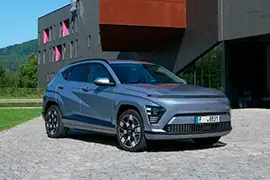

750 km (466 mi) WLTP from a single rear motor. No front motor drag at motorway speeds is exactly where that number comes from — 75 kWh NMC, 235 kW, 5.2s 0–100, 250 kW DC charging. The most efficient and longest-range trim in the Highland lineup. Want AWD traction instead? See the Long Range AWD → or the Performance AWD →.

Alex · EVspecsHub
Alex · EVspecsHub
EV owner since 2021 • Last updated: March 17, 2026

Tesla Model 3

Long Range RWD |  2024–

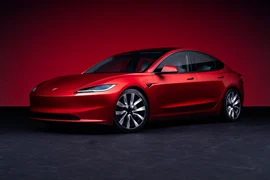
Tesla Model 3 front view electric sedan with aerodynamic design
Tesla Model 3
battery capacity
Capacity
range –
Range
power output
Power
acceleration
Acceleration
78 kWh
750 km

235 kW

5.2 s

Technical Data & Performance

Model Years2024–present
Trim (Variant)Model 3 - Long Range RWD
Power (Horsepower)235 kW (320 hp)
Top Speed201 km/h (125 mph)
Torque450 Nm (332 lb-ft)
Acceleration5.2 sec (0–100 km/h)
5.2 sec (0–62 mph)
DriveRWD Rear-wheel drive
Motor detailsAC Permanent Magnet Synchronous Motor (PMSM).
Motor codeDU Cat 2 3D7 (or similar)
Regional Differences EU: 0-100 km/h in 5.2s. UK: 0-62 mph in 5.2s. US: 0-60 mph in 4.9s (with 1-ft rollout per Tesla spec). No hardware difference — test methodology differs by market.

Battery & Charging

Battery Capacity & Size75 kWh usable,
78 kWh gross
Battery Capacity VariantsAll markets: NMC 2170 cylindrical cells (LG M50 pack designation) | 78.1 kWh gross | ~75 kWh usable (~3 kWh BMS buffer). No regional pack difference on LR RWD — single spec worldwide.
Max Range750 km (466 mi) / WLTP
575 km (357 mi) / EPA
702 km (436 mi) / CLTC
Consumption13.6 kWh/100 km
Battery TypeNMC (Nickel Manganese Cobalt)
Cell Format / SupplierCylindrical (2170) | LG Chem
Battery Voltage360 V
Electrical Architecture400 V
V2L SupportedNo
Heat pumpYes
AC Home ChargingType2 / 1-phase - 7.4 kW (Max Power)
Type2 / 3-phase - 11 kW (Max Power)
DC Fast ChargingCCS2, 250 kW (Max Power)
27 min. (10–80%)
Charging UpdatesSupercharger V3/V4 compatible: 250 kW peak; sustained ~165-190 kW during 10-80%. AC: 11 kW 3-phase EU / 11.5 kW US NACS / 11 kW CN GB/T. 10-80% in ~27 min. Preconditioning via navigation.
Regional Differences All markets: NMC 2170 Panasonic | 78.1 kWh gross | 250 kW DC peak worldwide — same hardware and charge curve. NMC: keep to 80-90% daily for longevity; 100% for long trips only.

Dimensions & Body

Type4 door, Sedan
Seating capacity5
ClassD‑Segment / Mid‑size Sedan (EU) | Compact/Mid‑size Sedan (U.S.)
Length4720 mm (185.8 in)
Width1849 mm (72.8 in)
Height1441 mm (56.7 in)
Wheelbase2875 mm (113.2 in)
Ground Clearance138 mm (5.4 in)
Curb weight1828 kg (4030 lb)
Gross weight2273 kg (5011 lb)
Trunk Volume594 L (21.0 ft³)
682 L (24.1 ft³) max
TowingUnbraked: 750 kg (1653 lb), Braked: 1000 kg (2205 lb)
Drag Coefficient0.219
PlatformTesla Model 3
Additional InformationFor the US towing requires a certified package otherwise it is prohibited.
Estimated Market Price
* for reference only
EUR 44,990 / USD 46,990

⚠️ Please note: actual vehicle specifications may vary depending on market, trim level, or available regional packages.

Tesla Model 3 Long Range RWD 2024 Highland
EVspecsHub Score — Tesla Model 3 Long Range RWD NMC 75 kWh (2024 Highland)
Independent rating vs all passenger EVs on sale 2025–2026
EVspecsHub.com
Range
702 km WLTP · NMC 78.1 kWh gross · 18" Photon Aero
702 km · 700–799 km band → 9.0 · class-leading for a sedan
9.0
top
Battery
75 kWh usable · NMC 2170 · 400V · no V2G
75 kWh usable · 70–79 kWh band → 7.0 · 400V (no 800V bonus)
7.0
good
Charging
250 kW DC max · 10→80% ~27 min · 400V · no V2L/V2H/V2G
250 kW → 7.0 · 250–299 kW band · 400V (no bonus) · no V2X
7.0
good
Performance
0–100 km/h · 5.2 s · 235 kW · RWD
5.2 s → 7.0 + RWD +0 = 7.0 · 235 kW
7.0
good
Efficiency
12.5 kWh/100 km WLTP · one of the most efficient sedans sold
12.5 kWh/100 km · 12.0–12.9 band → 9.0
9.0
top
Cargo
594 L boot · 88 L frunk · 682 L combined
682 L combined · 650–799 L band → 7.0 · vs BMW 3 Series: 480 L (no frunk)
7.0
good
Value
€44,990 · £38,490 · €64.1/km · $68.7/km WLTP
€64.1/km · $68.7/km · €60–74/km band → 8.0 · 15% below avg €75/km
8.0
good

Verdict: The Long Range RWD is, in my experience, the sweet spot of the entire Model 3 lineup — and the 702 km WLTP number is not a fluke. No front motor drag at highway speeds, single rear motor running at peak efficiency: that's where those numbers come from, and owners in forum threads consistently confirm real-world highway figures around 500–560 km in mild weather. Efficiency at 9.0 (12.5 kWh/100 km) puts it among the very best sedans on sale. The standout here is Value — at €64.1/km you're actually 15% below the all-EV market average of €75/km, which for a Tesla is a genuine surprise. No V2X and 400V architecture hold it back from a top-tier overall, but 7.7 is a strong result.

© EVspecsHub.com · All passenger EVs 2025–2026 · March 2026 · Methodology v6.7

7.7
out of 10
EVspecsHub Score
📊 Using this score in your review?
Free to use — just credit EVspecsHub.com
Share or embed this EVspecsHub Score

Free to use — please include a visible link to EVspecsHub.com

Embed code (iframe):
Share link:
▸ Score data table (methodology v6.7)
Tesla Model 3 Long Range RWD NMC 75 kWh (2024 Highland) — EVspecsHub Score v6.7. Range: 702 km WLTP → 9.0 (700–799 km band). Battery: 75 kWh usable NMC, 400V → 7.0 (70–79 kWh band, no 800V bonus). Charging: 250 kW DC → 7.0 (250–299 kW band), no V2X bonus. Performance: 5.2 s → 7.0 + RWD +0 = 7.0 · 235 kW. Efficiency: 12.5 kWh/100 km → 9.0 (12.0–12.9 band). Cargo: 682 L combined (594+88) → 7.0 (650–799 L band). Value: €44,990 / 702 km = €64.1/km → 8.0 (€60–74/km band). Rate: 1 GBP = 1.17 EUR, March 2026. EVspecsHub.com.
CriterionScoreKey data10/10 =
Range9.0702 km WLTP · 700–799 km band800+ km
Battery7.075 kWh usable · NMC 2170 · 400V (no bonus) · 70–79 kWh band110+ kWh
Charging7.0250 kW DC · 400V · no V2L/V2H/V2G · 250–299 kW band400+ kW
Performance7.05.2 s → 7.0 + RWD +0 = 7.0 · 235 kWsub-3s AWD
Efficiency9.012.5 kWh/100 km WLTP · 12.0–12.9 band<12 kWh/100 km
Cargo7.0682 L combined (594 boot + 88 frunk) · 650–799 L band1100+ L
Value8.0€44,990 · €64.1/km · $68.7/km · €60–74/km band<€45/km
Overall7.7 / 10EVspecsHub Score v6.7 · EVspecsHub.com · March 2026

Tesla Model 3 Long Range RWD 2024 (Highland): What the Spec Sheet Won't Tell You

702 km WLTP. 250 kW DC peak. 75 kWh usable. All technically correct — and none of it answers the questions that actually come up when you own this car. I went through hundreds of owner forum threads, OBD diagnostic logs, winter range test data, and real charging session records. This block covers what doesn't appear on Tesla's spec page or in any press kit.

Quick note: the 2024 Long Range RWD (Highland) is a single-motor rear-wheel drive car with a 78 kWh gross / 75 kWh usable NMC pack. It's not the same as the base RWD, which uses LFP and a completely different charging strategy. Everything here is specific to the Long Range RWD trim.

1 Battery Pack — Real Capacity, Cells, and the Supplier Tesla Doesn't Name 78 kWh gross · NMC 2170

Tesla publishes 75 kWh usable. The gross figure — 78 kWh — is not on the spec page, confirmed across multiple OBD2 diagnostic logs shared in forums. The ~3 kWh buffer is held by the BMS and you never touch it. Tesla doesn't acknowledge this anywhere in consumer documentation.

What Tesla really doesn't tell you: who made your cells, what chemistry they are. Based on owner teardown reports and factory chemistry labels inside the frunk — readable without tools in under a minute — here's what's actually in the pack:

Pack specs — confirmed from owner diagnostic logs and teardowns

Tesla Model 3 Long Range RWD 2024 — battery pack and motor specifications. Source: OBD2 logs, owner teardown reports, VIN-based factory identification.
ParameterValue
Gross capacity78 kWh
Usable capacity (BMS-protected)75 kWh
Cell format2170 cylindrical — 21 mm × 70 mm
Cell chemistry — Fremont build (US, VIN 1/5)NCA · Panasonic, Gigafactory Nevada
Cell chemistry — Shanghai build (EU, VIN LRW)NMC · LG Energy Solution, China
Motor typeIPM-SynRM (permanent magnet synchronous reluctance)
Motor output239 kW (322 hp) / 450 Nm (332 lb-ft)
Nominal pack voltage~357 V
DriveSingle rear motor — no front motor drag at cruise

NCA (Panasonic, Fremont) and NMC (LG, Shanghai/Berlin) behave differently in terms of charge curve and long-term degradation. NCA is slightly more energy-dense but more sensitive to high SoC. Tesla mixes suppliers based on production volume — there's no way to choose when ordering.

How to find your cell supplier: VIN starts with 1 or 5 = Fremont = Panasonic NCA. Starts with LRW = Shanghai = LG NMC. The Highland frunk no longer has a capacity label — Tesla removed that identifier with the 2024 refresh.
Spec discrepancy — official vs. actual: Tesla's consumer page does not state gross capacity (78 kWh), usable capacity (75 kWh), cell chemistry, or cell supplier anywhere — in the UI, touchscreen, or owner's manual.

The Super Manifold — V1 or V2?

Cars built before roughly mid-2024 may have the V1 heat pump manifold. The V2 runs quieter at cold startup and handles low ambient temperatures more efficiently. Change happened mid-production with no announcement. Identifiable via OBD diagnostic app — no disassembly needed.

2 DC Charging — Where 250 kW Actually Shows Up NMC · 250 kW peak

250 kW is the nameplate. That peak shows up between roughly 5% and 25% SoC on a warm, preconditioned battery. From 30% it steps down — by 50% you're at 150–160 kW. One session log showed the LR RWD hitting 226 kW at 12% SoC, dropping to 180 kW by 30%, and 90 kW by 65%.

Spec discrepancy — 250 kW vs. real sessions: Real peak in logged sessions is 220–230 kW. Average from 10–80% on a warm battery is closer to 160–170 kW.
Cold weather preconditioning bug: Certain OTA updates caused preconditioning to stop working on some HW4 builds — adding 8–15 minutes per Supercharger session. If your car isn't warming the battery before arrival despite navigating to the station, flag it at service.

DC Charging Curve — Model 3 Long Range RWD 2024 V3 Supercharger / CCS, warm battery

EVspecsHub.com

NMC/NCA 2170 · 75 kWh usable · battery temp above 25°C · cold caps at ~80–100 kW

Based on owner-logged Supercharger sessions. Always navigate to Supercharger to trigger preconditioning.

Tesla Model 3 LR RWD 2024 — DC Charging Power by SOC

V3 Supercharger · warm preconditioned battery · owner-logged sessions

State of charge (SOC)Charging power (kW)Notes
5%~200 kWRamp-up from low SoC
10%~225 kWNear peak, warm battery
20%~230 kWPeak window — brief, then drops
30%~200 kWStrong but stepping down
40%~175 kWStill charging fast
50%~155 kWGradual taper continues
60%~120 kWNoticeable step-down
70%~85 kWContinued taper
80%~50 kWTypical road-trip stop point
90%~25 kWSlow fill, BMS protecting cells
100%~8 kWNot recommended at DC chargers

Data: owner-logged sessions · Cold battery (<15°C) caps at ~80–100 kW regardless of SOC

EVspecsHub.com

AC Charging at Home

On-board AC charger: 11 kW (3-phase, Europe). Full 0–100% on an 11 kW wallbox: ~8 hours. On 7.4 kW single-phase: ~11 hours.

3 Real-World Range — What Owners Are Actually Logging 75 kWh · RWD

702 km WLTP holds better than most WLTP figures — but only under specific conditions: mild temperature, 18" wheels, moderate speed.

WLTP vs. highway reality: At 110–120 km/h on 18" wheels in mild weather, real sessions land at 480–510 km — roughly 70–75% of WLTP. The gap between 702 km on the sticker and 490 km on the motorway catches people off guard.
Cold weather: NAF 2024 El Prix winter test — Highland at 441 km at -2°C to -10°C, a 30% drop. Owners comparing Highland to pre-refresh Model 3 on identical winter commutes reported 10–15% less range loss — the standard heat pump is doing real work.

Real-World Range by Condition — Model 3 LR RWD 2024 18" wheels

EVspecsHub.com

NMC/NCA 2170 · 75 kWh usable · 18" Photon wheels · owner-logged data

WLTP official (sticker)
702 km 436 mi
City / mixed, mild
560–620 km 348–385 mi
Motorway 110–120 km/h
480–510 km 298–317 mi
Motorway 19" wheels
450–480 km 280–298 mi
Cold -2°C to -10°C
~440 km ~274 mi
Scandinavia sub-zero
440–480 km 273–298 mi

Owner-logged data. Cold figures: NAF 2024 El Prix winter test. Actual range varies with driving style, HVAC, and tyres.

Tesla Model 3 LR RWD 2024 — Real-World Range by Condition

18" Photon wheels · NMC/NCA 2170 · 75 kWh usable · owner-logged data

ConditionRange (km)Range (mi)Notes
WLTP official702 km436 miTest cycle — not real-world driving
City / mixed, mild weather560–620 km348–385 miTemperate weather, moderate regen
Motorway 110–120 km/h, 18" wheels480–510 km298–317 miSteady cruise, 15–20°C
Motorway 110–120 km/h, 19" wheels450–480 km280–298 miLarger tyre, slightly higher drag
Cold -2°C to -10°C (winter)~441 km~274 miNAF 2024 El Prix winter test
Scandinavia, sub-zero, preconditioning440–480 km273–298 miOwner-reported, forum data
Edmunds year-long ownership test544 km338 miReal road, mixed conditions

Source: owner forum data, NAF 2024 El Prix winter test, Edmunds ownership test

EVspecsHub.com

An owner drove the same commute in his new Highland LR RWD and his previous 2023 pre-refresh Long Range back-to-back. He logged 218 Wh/mile on the Highland versus 282 Wh/mile on the older car — a 23% efficiency improvement, same roads, same conditions.

4 Cargo & Interior Dimensions — Measured, Not Estimated 594 L folded · 88 L frunk

Tesla quotes 594 L with rear seats folded and 88 L for the frunk. The numbers that actually matter when loading the car:

Boot dimensions — owner-measured (Highland, Berlin display event)

Depth, seats up107 cm (42.1 in)
Depth, rear seats folded flat187 cm (73.6 in)
Depth, seats folded + pushed forward210 cm (82.7 in)
Full length to front windscreen270 cm (106.3 in)
Width at floor between wheel arches94 cm (37.0 in) ← actual load width
Width at seat handle line (upper)129.5 cm (51.0 in)
Boot lip height46 cm (18.1 in)

The 94 cm floor width is the number nobody publishes — it's what catches people out. A full-size road bike with both wheels on does not fit. Front wheel off, frame diagonal: goes in. Two 70 cm rollaboards upright: tight but possible, nothing else joins them.

Boot volume discrepancy: 2019 manual listed 425 L. Pre-Highland: 561 L. Highland: 594 L. Measurement methodology changed — some figures include under-floor storage, others don't. The sub-trunk became shallower in Highland.

5 Heat Pump, V2L, CarPlay and the Questions Nobody Answers 2024 · All markets

Heat Pump — Standard on All Highland Trims

Standard from day one, every Highland, every trim, every market. In mild cold (0–5°C) the efficiency advantage is meaningful. Below about -10°C it hands off to the PTC resistive heater — both systems work together.

Battery Preconditioning

Only activates automatically when you set a Supercharger as your navigation destination. Just driving to a charger without routing to it does nothing. In cold weather this is the difference between arriving at full charging speed and sitting through 8–15 minutes of slow ramp-up.

V2L — Vehicle to Load

Not available on any Highland variant. One of the most-asked questions in Model 3 forums — the answer hasn't changed. A real missing feature versus IONIQ 6 and several other competitors.

V2L not available: No OTA update path announced for any Highland trim.

Apple CarPlay / Android Auto

Not supported. Tesla runs a proprietary OS — no CarPlay, no Android Auto. Deliberate platform choice. The 15.4" screen runs on AMD Ryzen and is fast, but it's entirely Tesla's ecosystem.

Other Features Owners Ask About

  • Turn signal stalks: No physical stalks on 2023–mid 2024 builds. Tesla brought them back with 2025 production. Check build date on door card before buying used.
  • Rear passenger screen: 8" touchscreen standard on LR RWD — not on base RWD.
  • Ventilated front seats: Standard on LR RWD. Not on base RWD.
  • One-pedal driving: Regen is fixed — no adjustable levels, no creep mode. Car slows on lift-off but won't stop fully on regen alone.
  • FSD hardware: HW4 standard. Early HW4 builds had documented OTA issues — loss of navigation, FSD, and preconditioning on some cars.

6 Wheels, Tires & What Actually Fits 5×114.3 · CB 64.1 mm

Tesla doesn't publish full wheel specs in consumer documentation. From owner teardown posts and fitment guides:

Tesla Model 3 Highland LR RWD 2024 — Wheel & Tire Specifications

Factory specs · Source: owner teardown data and third-party fitment guides

ParameterSpecification
Bolt pattern5×114.3
Center bore64.1 mm
Standard wheel — 18" Photon Aero18" × 8.5" · offset +38
Optional wheel — 19" Nova19" × 8.5" · offset +38
Lug nut threadM14×1.5 · 21 mm hex
Lug nut torque129 lb-ft (175 Nm)
18" stock tyre235/45R18 — Hankook Ventus S1 AS or Michelin Primacy A/S
19" stock tyre235/40R19 — Goodyear Eagle Sport or Continental ProContact RX T1
Range penalty 18" → 19"~30–40 km (19–25 mi) less on highway run
Aftermarket note64.1 mm CB uncommon — hub ring required for most aftermarket wheels

Data: owner teardown reports · third-party fitment guides · T Sportline wheel guide

EVspecsHub.com

The 64.1 mm centre bore is not common — most aftermarket wheels need a hub ring. Owners who've tried 20" fitments report ride quality suffers noticeably.

7 Battery Degradation — What Owners Are Tracking NMC/NCA · 2170

NMC Highland packs are showing roughly 2–5% capacity loss in the first year, then slowing. One owner logged data from his Panasonic NCA car over 14 months: averaging above 55% SoC daily pushed first-year degradation to ~5.5%. Keeping average SoC below 55% roughly halved that number. Calendar aging matters more than cycle count on these packs.

Practical charge limits for NMC/NCA: 80% for daily use. For maximum pack health, keep average daily SoC below 55–70%. Do NOT charge to 100% regularly — this is NMC/NCA, not LFP. The base RWD (LFP) charges to 100% regularly. The Long Range RWD does not.
Common confusion — LFP vs. NMC: Tesla's in-car prompt to charge to 100% once a week is only for LFP packs (base RWD). If your car shows a percentage slider for the charge limit — you have a nickel-based pack, keep it below 80% daily.

📋 Full technical specifications — all Model 3 Highland variants:

Note: Range and charging figures come from owner-logged sessions, OBD2 scan reports, and independent range tests. Charging curve reconstructed from real session logs — Tesla does not publish cell-level charging data. Cold-weather range based on NAF 2024 El Prix winter test and Scandinavian owner reports. Battery chemistry attribution based on VIN origin and frunk label data shared by owners. Data compiled as of March 2026.
Back to contents

Share this data

Free to use — please include a visible link to EVspecsHub.com

✓ Link copied!
Tesla Cybertruck full specs side view Dimensions: 270 by 180 pixels
Cybertruck (2023-pr.)
Tesla Model 3 side profile showing sleek body lines and alloy wheels
Model 3 (2023-pr.)
2021 Tesla Model X full specs side view Dimensions: 270 by 180 pixels
Model X (2021-pr.)
2025 Tesla Model Y Performance with dual motors, 0–100 km/h in 3.5 seconds, and long‑range battery
Model Y (2025-pr.)
2025 Tesla Roadster full specs side view Dimensions: 270 by 180 pixels
Roadster (2025-pr.)
2008 Tesla Roadster full specs side view Dimensions: 270 by 180 pixels
Roadster (2008-2012)
2021 Tesla Model S Full specs range battery Side view Dimensions: 270 by 180 pixels
Model S (2021-pr.)
Tesla Model Y is a versatile electric crossover with spacious seating, fast acceleration, and up to 330 miles of EPA-estimated range.
Model Y (2020-2024)

Tesla Model 3 Highland: Generation Guide — What Changed, What to Buy

People call it a facelift. Tesla called it a refresh. Owners who drove both back-to-back call it something else entirely — a fundamentally different car from the firewall forward. "Highland" is a production codename, not marketing. Build date matters more than model year when you're choosing between two cars on a dealer lot. Here's what actually changed, and when.

1 Generation I — Original Model 3 (2017–2023) Pre-Highland

The original Model 3 hit US roads in mid-2017. $35,000 starting price, mass-market ambitions, and a waiting list that stretched to years in some regions. By 2020 it was outselling every other EV globally. June 2021 — first electric car to cross one million units sold. Every mainstream EV that came after it got benchmarked against the Model 3 whether its maker admitted it or not.

Gen I Trims

Standard Range (SR / SR+) — the entry car. Worth flagging: from 2020, China-built SR units used CATL's LFP chemistry — a bigger deal than it sounds. LFP lets you charge to 100% every single day without any measurable degradation penalty. The US market stayed on NMC for longer. Two chemically different cars sold under the same name depending on where they were built. The frunk sticker tells you which one you have.

Long Range AWD — dual motor, NMC pack ranging 75–82 kWh depending on factory and build year. Panasonic supplied most Fremont cells; the BT42 designation (82.1 kWh) became standard for US-built LR cars from 2021. Some Shanghai builds used LG cells instead.

Performance AWD — same pack hardware as LR AWD, different motor calibration, lower suspension, stiffer tune. Induction motor at the front, permanent magnet at the rear. 3.1 sec to 60 mph (97 km/h). A handful of long-term owners I've spoken to still rate this over the Highland Performance for throttle feel — the newer car is faster but the old one had more character in how it delivered the power.

What Changed During Gen I

2019 brought the Long Range RWD. Early single-motor cars used an AC induction rear motor; later builds swapped to permanent magnet synchronous — identical power output, measurably better efficiency at partial throttle.

2021 was the quiet big year. Heat pump went standard across the range — winter range improved 20–30% on the same routes compared to pre-pump cars. Front suspension geometry revised. Cabin insulation noticeably better.

2022 removed the indicator stalks. Controls moved to the steering wheel buttons. Nobody was happy. Three years later Tesla reversed the decision. Late Gen I drag coefficient: Cd 0.225 — that number didn't move until Highland.

2 Generation II — Highland (Late 2023 / Early 2024) Major Revision

Giga Shanghai delivered the first Highland cars in September 2023. Fremont followed in early 2024. The Performance AWD was absent at launch — buyers wanting that variant had nowhere to order for several months. It arrived mid-2024.

The efficiency gains came from aero, not chemistry. The RWD and LR packs didn't grow. Cd dropped from 0.225 to 0.219 — new front bumper, two new wheel profiles (18" Photon Aero, 19" Nova), revised tyre specs. On the RWD, that drag reduction alone moved WLTP from 491 km (305 mi) to 513 km (319 mi). No new battery. Just less resistance.

Technical Changes at Highland Launch

Heat pump — standard everywhere. Gen I RWD skipped it on some markets. Not here. Every Highland, every trim, every country gets it from day one.

Super Manifold V2 is the redesigned heat pump component. It rolled out factory by factory over roughly a year — so early Highland cars may still have the V1 unit. V2 runs quieter at startup and handles low ambient temperatures more efficiently. An OBD diagnostic app shows the part number without any disassembly.

Double-pane acoustic glass front and rear. Ask any Highland owner what they noticed first after a month of motorway driving and most will tell you it's this — the cabin is genuinely quieter in a way that changes long trips.

Adaptive suspension on Performance only. First time the Model 3 got it. Comfort and Sport modes. LR variants got a retuned passive setup — better over broken surfaces than late Gen I, but nothing adjustable.

Boot at launch: 561 litres (19.8 cu ft). Bigger than Gen I. Sub-trunk under the floor stays.

The Four Highland Trims

RWD — one rear permanent magnet motor. Pack chemistry splits by factory: China and most of Europe get CATL LFP at 60 kWh gross (charge to 100% daily). US Fremont cars get NMC 2170 Panasonic cells. WLTP 513 km (319 mi), EPA around 212 mi (341 km). DC charging peak: 170 kW.

Long Range RWD — still one rear motor, NMC 2170 Panasonic, 78 kWh gross with 75 kWh usable. WLTP reaches 702 km (436 mi) — the number that stops people mid-sentence when they hear it. No front motor drag at cruise is where that figure comes from. DC peak: 250 kW. Appeared from early 2024.

Long Range AWD — adds a front motor to the same 78 kWh NMC pack. Combined 366 kW (498 hp). Zero to 100 km/h (62 mph) in 4.4 sec. WLTP drops to 629 km (391 mi) — the front motor costs you around 70 km (43 mi) at motorway speeds versus the single-motor car. DC peak: 250 kW.

Performance AWD — different rear motor than the LR AWD. Larger pack: 82 kWh gross, roughly 79 kWh usable. Combined 380 kW (510 hp). Hundred in 3.1 sec, sixty in 2.9 sec. Top speed 262 km/h (163 mph). WLTP 528 km (328 mi). Adaptive dampers, Track Mode, bigger brakes, 20" Überturbine wheels all come standard. The only trim where the chassis hardware is genuinely different from the others.

LFP or NMC — frunk sticker, 60 seconds, no tools. Open the frunk. Panel near the firewall has a factory chemistry label. LFP: charge to 100% daily, no concern. NMC: keep to 80–90% for daily use.

3 2025 Production Updates Silent Changes

No press release. No model year announcement. These are confirmed hardware changes from 2025 production runs — the kind of thing you only find out about by checking VINs and running OBD diagnostics.

RWD battery — H6MRB pack. CATL's updated LFP unit landed in production during 2025. Gross capacity went from 60 kWh to 62.5 kWh. The pack shed 1 kg (2.2 lb). WLTP on H6MRB-equipped cars: 520 km (323 mi). How to check: the windscreen VIN sticker shows the pack designation. H6MRB is the one you want.

LR battery — no official announcement, real change. Late-2025 production LR RWD and LR AWD cars got a slightly larger NMC pack with a better charge curve in cold conditions. Tesla hasn't published the new gross figure. Owner OBD sessions and VIN-range tracking confirmed it's there. Cold-start charging ramps noticeably faster on these builds — the difference shows clearly in session logs below 5°C (41°F).

Boot grew again: 594 litres (21.0 cu ft) on 2026 model year cars. Revised floor design. Up from 561 litres (19.8 cu ft) at Highland launch.

Indicator stalks came back. 2025 production. Same physical stalk design as the Model Y Juniper. A new front bumper camera came with them. Three years after removing stalks Tesla quietly reversed course.

US market split: A new lower-spec "Standard" RWD variant appeared below the previous base. No light bars, different wheels, cheaper interior materials. Existing base cars were renamed "Premium" on the configurator to separate them.

Late-2025 LR pack — how to verify: Run a diagnostic app with OBD access. The logged usable kWh figure will be higher than 75 kWh on updated builds. Cold charging sessions below 5°C (41°F) show the improved ramp rate clearly — early builds are sluggish for the first several minutes, updated packs aren't.

4 Which One to Buy Buying Guide

Range above everything else: LR RWD, late-2025 build. One motor, updated pack — the motorway range on this car is hard to argue with. Nothing else in the lineup touches it on a long run.

Four-wheel drive for real winters: LR AWD. Same charging speed, same pack size as LR RWD. The range gap is about 70 km (43 mi) at speed. In the city it shrinks considerably. Worth it wherever roads get properly slippery.

The full package: Performance AWD. Not a trim level with a different badge — genuinely different hardware. Unique rear motor, larger battery, adaptive chassis, Track Mode. The only Model 3 where the car actually changes behaviour between modes rather than just changing numbers on a screen.

Budget RWD, Europe or China: 2025 build with H6MRB CATL pack. The range gain is small. The pack is lighter and the curve is cleaner. For the same money it's the better version.

Want physical stalks: Pre-2025 = none. Late-2025 production onward = back. Check the build date, not the model year.

Back to guide

Tesla Model 3 Highland vs Previous Generation: What Owners Say Actually Changed

If you're driving a 2018–2022 Model 3 and wondering whether Highland is the upgrade it looks like on paper — this is that answer. Not from a press fleet, not from a 45-minute test drive. From people who owned the old car for years, then switched. And from a few who test-drove the Highland and decided to keep their older one. Both sides matter.

1 Ride Quality — Night and Day vs Pre-Highland Most Praised Change

This comes up more than anything else. Owners swapping from 2018–2022 Model 3s describe the old car as "jiggly" on 19" wheels — rough pavement translated directly into the cabin, every pothole kerr-thunked through the floor. One owner with 160,000 km on a 2019 Model 3 says he changed the suspension three times trying to fix it and never got there. Then drove a Highland and called it "a completely different car."

Under the skin: revised rear subframe, new bushings, frequency-selective dampers. That last part is worth understanding. These dampers behave differently at different input speeds — tight against fast, small hits like road texture and kerb edges, looser for slow body movements. Same principle behind the suspension in most German sport sedans. One owner described climbing back into a pre-Highland after a week in the Highland and thinking something had broken on the older car. Nothing had. The new car just filters differently.

Sandy Munro's team — the engineers who tear down production vehicles commercially — compared the Highland's handling calibration to a well-tuned BMW after their teardown. Not launch-day press copy. A professional opinion from someone who'd had his hands inside both cars.

One honest note: it's not a luxury car. An owner who test-drove a Highland back-to-back with a Mercedes EQE said the EQE is still ahead on outright comfort. The Highland improved dramatically. It didn't leap to a different class.

2 Cabin Noise — The Double-Pane Glass Actually Works Consistent Win

Pre-Highland Model 3 had a noise problem. Wind noise at motorway speeds was frequently flagged as the car's biggest daily irritation — louder than most competitors at the same price point. Tesla knew it. Highland addressed it with double-pane acoustic glass front and rear, plus additional sound-deadening material in the body.

One Edmunds editor describes his commute: there's a stretch of rough construction asphalt that makes most cars' tyres "sing." In the Highland, same road, same speed — the noise was dampened enough that he didn't need to turn up his podcast. Independent NVH tests measured approximately 20% reduction in wind noise compared to the outgoing model.

Wind noise and tyre noise are two different problems. Wind noise — fixed. Tyre roar on coarse asphalt — still there. Someone who daily-drives a 2023 Model 3 and did an extended Highland test drive said it plainly: the glass improvement is obvious, but road noise from the rubber on rough tarmac hasn't gone anywhere. "Tesla still needs work on road noise isolation" was his takeaway after 200 km behind the wheel. Not a deal-breaker. Just something to calibrate your expectations around before you sit in one and think everything is solved.

3 Real-World Efficiency — The Numbers People Are Actually Logging Owner Data

A structured test in mixed conditions put the Highland LR AWD at 136 Wh/km (4.57 mi/kWh). Edmunds' year-long ownership test of the LR RWD hit 338 miles (544 km) on their range test — 3 miles below the 2023 pre-refresh, well within noise. One Speakev forum member drove the RWD 43 miles home from the test drive and logged 218 Wh/mile — versus 282 Wh/mile in his Fremont-built 2023 LR on the same route. That's a 23% efficiency gain. On the same roads. Same conditions. Real number, not a lab result.

The heat pump contribution in winter: owners comparing the Highland to their previous pre-pump Model 3 on identical winter commutes report 10–15% less range loss in cold conditions. Not a dramatic transformation, but measurable across a full season of data.

4 Seats — The One Thing That Didn't Really Get Fixed Honest Complaint

Ventilated front seats are new. The seat bolsters were slightly widened. Heating is standard on all outboard positions. On paper, improved.

In practice: the fundamental seat shape hasn't changed enough. Multiple owners describe sitting on the Model 3 rather than in it — short squab, limited lateral support, not enough hip contouring to hold you in corners. An owner who road-trips long distances says the firmer seat foam on Highland (possibly a side effect of the ventilation channels) is actually a step backward for multi-hour comfort compared to his previous 2023 car.

One long-term Edmunds editor put it plainly: the seats are "a little better" but "still nothing to crow about." For context, the same person praised the ride quality and cabin noise extensively. The seats are the one area where Highland moved the needle less than everything else.

5 The Stalk Situation — And What Tesla Did About It 2025 Update

Removing the indicator stalks was unpopular. That's not an understatement — it's consistently the most negative topic in any Highland ownership thread. One owner describes the wheel buttons as "making me scratch my head" after years of muscle memory. Another calls it the biggest minus on the whole car.

Tesla's answer came in 2025 production: physical stalks came back, same design as the Model Y Juniper refresh. If you're buying a new car now, the stalks are there. If you're looking at early Highland inventory — 2023 or 2024 builds — check before you buy. The stalk deletion was a production window, not a permanent model direction.

6 Build Quality — Better Than Previous Generations, With a Factory Caveat Ownership Trend

Panel gaps tighter. Interior materials noticeably upgraded — textiles instead of woodgrain, sculpted door cards with suede-like material, thick flat-bottomed steering wheel. Infotainment runs on AMD Ryzen hardware; one owner clocked YouTube launching in 1–2 seconds versus 20+ on his previous Atom-based unit.

On squeaks and rattles: owners consistently say Highland is quieter and more solid at delivery than any previous Model 3. One owner traded in a 2019 Model 3 that "rattled like a 40-year-old domestic economy car" by 100,000 miles. His Highland at 230 km feels like a different manufacturer made it. That said, a meaningful share of the build quality improvement comes from factory origin — Giga Shanghai builds are consistently rated tighter than Fremont by owners who've had both.

One year in — the overall verdict from Edmunds' long-term test: Named Top Rated Electric Car 2025. "The best Model 3 Tesla has ever made" was the conclusion after 12 months. The team's main ongoing frustration: the stalkless steering wheel on early builds, and cruise control that doesn't reduce speed through bends.
What's still not solved: Passenger seat height adjustment still missing. Tyre roar on coarse surfaces. No V2L or bidirectional charging. Autopilot/FSD pricing and functionality remain market-dependent. If any of these are dealbreakers for you, they haven't changed with Highland.
Note: Owner impressions vary by build date, factory, trim, and driving conditions. Figures from independent tests and long-term ownership reports are cited where available. Data current as of March 2026.
Back to guide

Tesla Model 3 Highland vs Competitors: How Real Buyers Actually Choose (2024–2026)

I've read through a lot of cross-shopping threads. The ones where someone test-drove four cars in a weekend, came home, and still couldn't decide. The recurring theme: the spec sheet rarely settles it. What settles it is one drive that felt wrong, one charging stop that took too long, or one interior that made the partner say yes immediately. Here's what those comparisons actually looked like.

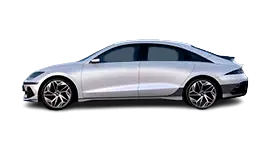
1 Hyundai Ioniq 6 (2025–2026) 53 or 77.4 kWh · from $38k

An owner who'd driven a 2021 Model 3 for two years put it like this after test-driving the Ioniq 6: "I didn't expect to like it as much as I did. The interior felt more finished. The charging was faster than I thought." He ended up buying the Ioniq 6. His main reason wasn't the Cd 0.21 figure or the 800V system — it was that his partner preferred the cabin. That's how a lot of these decisions actually go.

What the Ioniq 6 genuinely does better: charging curve holds near its 220 kW peak deeper into the session than the Model 3 does. Real 10–80% in about 18 minutes at a proper 800V station. Aero efficiency is class-leading — owners report real-world numbers that track closer to WLTP than most cars manage. The interior materials and the curved dual-screen setup feel more upscale at the same price point.

What costs you: rear headroom is tighter than it looks in photos — six-footers in the back notice it on longer journeys. Boot is smaller than the Model 3's. And there's no charging network backstop. In the US that matters a lot on road trips. In Europe with dense CCS coverage it's manageable, but it's still a variable the Tesla removes from the equation entirely.

2 BMW i4 (2025–2026) 67 or 81 kWh · from ~$52k

The people who buy the i4 over the Model 3 usually know exactly why. One owner on a long-term test forum described taking both on the same mountain road back-to-back: "The Tesla is faster. The BMW is more fun." That gap is real and it's not small. The steering weights up properly, the rear-drive balance is there in a way EV steering rarely achieves, and the M50 trim delivers its power in a way that feels earned rather than just immediate.

The ownership math is harder to love. DC charging tops out around 200 kW and the curve drops off faster than Tesla's after 50% SoC — you feel that on back-to-back motorway stops. iDrive has improved but several owners who came from BMW combustion cars describe it as "not quite there yet" for EV-specific workflows. Resale data is consistent: the i4 depreciates faster than the Model 3 in every major market tracked. You pay more upfront and recover less at the end.

None of that stops the i4 being the right answer if driving feel matters to you above everything else. I'd just say: run the full four-year cost before signing, not just the monthly payment.

3 Polestar 2 (2025 facelift) 82 kWh · from ~$50k

A Polestar 2 owner who switched from a 2019 Model 3 said the first thing he noticed was the silence — not cabin noise silence, but the absence of Tesla's ecosystem noise. No app nudging him toward upgrades, no subscription prompts, no UI that changes overnight. "It just does what a car should do and stays out of the way." For a specific kind of buyer that's worth a lot.

The design holds up in person better than in photos. Interior is genuinely Scandinavian — not sparse, considered. Google infotainment works naturally if you use Android. One-pedal regen goes to a full stop, which is more than some platform competitors offer. Ride is composed without being firm.

Charging is the honest friction point. No proprietary network. Every fast charge goes through third-party stations — fine 90% of the time, stressful the 10% when a station is broken or occupied. An owner who does a long France-to-Spain trip twice a year said he'd switched back to a Model Y specifically for that reason. For city use and predictable routes, the Polestar 2 works well. For unpredictable long-distance driving, the Tesla's navigate-and-charge experience is doing more work than it appears.

4 BYD Seal (2025–2026) 61 kWh LFP or 82 kWh NMC · from $35k

The person who buys a BYD Seal over a Model 3 is usually making a straightforward decision: same money, more car. An owner in Australia who cross-shopped both said the Seal's interior felt larger, the ride was plusher, and at AU$20,000 less than a comparable Model 3 the value case was hard to argue with. He's had it 14 months and the only complaint is that software updates arrive slowly and change little when they do.

The Blade LFP battery deserves more attention than it gets in Western comparisons. Cell-to-body construction — cells integrated directly into the structural floor, no separate modules. BYD's own nail penetration test didn't produce thermal runaway. That's a different approach to battery safety than anything else at this price, and it's real engineering, not a stunt.

What the Seal doesn't solve: OTA updates are infrequent compared to Tesla. Resale outside China and Australia is uncertain — there's not enough data yet. No charging network. For buyers treating it as a primary car in a market with good public charging coverage, it's a serious option. For anyone who wants the car to improve over time the way a Tesla does, that expectation needs adjusting.

5 Volkswagen ID.7 (2025–2026) 77 or 86 kWh · from ~$50k

The ID.7 keeps ending up in Model 3 comparisons because the prices overlap — but it's really a different product. A family who cross-shopped both said the Model 3 felt like a driver's car and the ID.7 felt like a living room on wheels. Both accurate. They bought the ID.7 because they have three kids and two car seats and the extra cabin space wasn't negotiable.

Interior volume genuinely is bigger in every dimension. Build quality is solid — the VW assembly reputation holds here. WLTP figures on the 86 kWh variant reach 700 km, though owners who've done structured range tests put real motorway figures closer to 540–560 km at 120 km/h. Charging curve drops off after 50% SoC faster than Tesla's — multiple long-distance owners mention planning stops at lower SoC thresholds to stay in the fast part of the curve.

Dynamically it's not trying to be interesting. VW made a conscious choice to tune for comfort and stability rather than driver engagement, and it shows. If you're buying a car to cover ground efficiently with family on board, that's the right call. If you want the car to respond when you ask it to, the Model 3 is still a different experience.

6 Where the Model 3 Highland Actually Lands

RWD: ~515 km WLTP, ~320 miles EPA. Long Range AWD: ~547 km WLTP, ~340 miles EPA. Performance: ~483 km WLTP, ~300 miles EPA. Packs at 60 kWh or 82 kWh depending on trim.

After going through a year of cross-shopping threads, the pattern is consistent: buyers who choose a competitor usually have a specific reason — the i4's driving feel, the Ioniq 6's charging speed, the Seal's price, the ID.7's space. Buyers who come back to the Model 3 are usually buying the whole package — Supercharger network, OTA updates that add real features, resale values that hold. Neither group is wrong. The question is which trade you're actually making, not which car has the better spec sheet number.

Back to guide

Tesla Model 3 Highland: Reliability & Known Issues (Real Owner Reports)

Most of what follows comes from owner threads — not press cars handed back after a week. The Highland is a better-built car than the 2017–2022 Model 3 by most accounts. That doesn't mean it's problem-free. A few things come up too consistently across forum posts to ignore.

1 Build Quality & Interior Rattles

Early builds — roughly spring and early summer 2024 — are the ones to watch. One owner who took delivery in May 2024 listed every service visit in a forum thread: passenger visor replaced for rattling, centre console armrest replaced for noise (came back), broken clips in the dashboard, ambient lighting trim cracked, door trims replaced twice. Six service visits in the first year. His car was built in April 2024.

September 2024 builds and newer are consistently rated better in the same threads. The pattern across forum posts: headliner rattles, buzzing door panels, intermittent ambient lighting glitches. None of these strand you, but they're maddening in an otherwise quiet car. Tesla service addresses most under warranty — the frustration is frequency, not outcome.

Before accepting delivery: check the door card for build month. Pre-September 2024 builds deserve a closer look. Shanghai-built cars (VIN starting LRW) are consistently rated better for panel fit than Fremont builds across owner threads.

2 Steering Wheel Turn Signal Buttons

This is the most discussed Highland-specific complaint — more than any build quality issue. Touch-sensitive buttons replacing physical stalks. Multiple owners report phantom presses, missed inputs, and buttons becoming unresponsive after a hand rests near them. One owner described using the signal at a roundabout and getting nothing. Another said his wife refused to drive the car because of it.

Tesla acknowledged this and brought physical stalks back in 2025 production. If you're buying a 2023 or early-to-mid 2024 Highland, this is what you're living with. Some people adapt quickly. Others never stop noticing it. Worth at least 30 minutes of real driving — not a car park — before committing.

3 Software & HW4 Computer

One owner picked up a brand-new 2025 LR RWD, drove it home, and the car was undrivable the next morning — a computer component had failed less than 24 hours after delivery. Tesla fixed it over two week-long service visits. He described developing "PTSD" about getting in the car after that.

The broader HW4 thread on owner forums flagged a pattern: certain software updates caused loss of navigation, FSD functionality, and battery preconditioning capability — the last one matters because preconditioning failure means slower Supercharger sessions in cold weather. Tesla appears to be addressing this via software rather than hardware replacement. No recall issued as of early 2026, but the thread is long and active.

Phantom braking from Autopilot and FSD still shows up in reports — guardrails, bridges, overhead signs triggering unexpected slowdowns. Not new to Highland, not solved by Highland either.

Check recalls before buying used: run the VIN through the NHTSA recall database and Tesla's own recall page. Recent campaigns cover rear camera visibility and TPMS. A used car with unresolved recalls is telling you something about how the previous owner maintained it.

4 Suspension & Steering Vibration

Pre-Highland Model 3s had a well-documented front upper control arm squeak — water ingress at the ball joint, showed up around 50–80k km. Highland redesigned the control arm with an enclosed joint specifically to fix this. It worked. That particular complaint is absent from Highland threads.

What replaced it: steering wheel vibration from delivery on some cars, and alignment pulling to one side. Owner threads describe cars that pulled noticeably on the drive home from collection. Service centres realign under warranty, but several owners report needing more than one visit. On a test drive, find a straight flat road, loosen your grip, and see what happens.

5 Battery Degradation & Range

The horror stories exist but they're statistical outliers. Most Highland owners with a year or more on their cars report modest capacity loss — roughly 2–5% in the first year on NMC packs, then slower. One owner on a forum shared his logged data: for Panasonic-cell cars averaging above 55% state of charge, expect around 5.5% calendar degradation in year one, roughly halving each subsequent year. Keep the daily average below 55% SoC and that number comes down meaningfully.

What does cause faster degradation: frequent DC fast charging as the primary charging method, and leaving the car at high SoC for extended periods. Neither is unique to Highland — both have been consistent Tesla advice since 2017. The battery and motor remain the most reliable parts of the car. Service visits are almost never about the powertrain.

6 What Doesn't Come Up in the Complaints Threads

Ride quality, cabin noise, efficiency, motor reliability. An owner who traded a 2020 AWD Fremont for a 2024 Shanghai Performance said: "Much better put together, nicer materials, really solid. I loved the old car but this is up there with BMW and Mercedes." Seven thousand miles in, one occasional pop from the rear — mobile service visited, found nothing obvious, has it back in for further diagnosis. That's the current reality for most owners: minor irritants, resolved under warranty, overall satisfaction high.

7 Owner Tips Worth Keeping

  • Build month on the door card tells you more than model year. Pre-September 2024 deserves closer inspection.
  • Shanghai-built (LRW VIN prefix) consistently beats Fremont for fit and finish in cross-ownership comparisons.
  • On any test drive: use the turn signal buttons repeatedly in real traffic, not just in a car park. Check alignment on a straight road with loose hands.
  • For cold weather: always navigate to a Supercharger before arrival. HW4 software issues have affected preconditioning on some builds — arriving cold costs you 8–15 minutes of charging time.
  • Daily charging to 80% on NMC packs. Below 55% average SoC cuts calendar degradation roughly in half.
Disclaimer: Everything here is compiled from owner forum threads, public reports, and independent testing sources. Not guaranteed to be complete — use it as a starting point, verify anything critical with a certified Tesla technician. Data current as of March 2026.
Back to guide

Frequently Asked Questions FAQ about the Tesla Model 3 LR RWD Highland Specs 2024 – 702 km Range, 239 kW

Tesla Model 3 Specs, Owner Manual & Official Resources

Every number on this page traces back to one of the sources below. Official Tesla documents for specs and technical data; owner communities for real-world experience that the press kit doesn't cover.

Official Tesla Sources

Owner Communities & Forums

Where Tesla doesn't publish exact numbers — usable battery capacity, detailed charging curves — I use owner reports and community data. Anything not from an official source is flagged as an estimate.

Back to guide

About This Page

Specs and real-world data for the Tesla Model 3 Highland — pulled from official materials, press kits, owner forums, and independent tests. One place with accurate numbers, no marketing copy.

Author

I'm Alex. EVs have been a hobby for years — not as a journalist, just someone who finds this space genuinely interesting. I go through official releases, dig into owner threads, watch real-world tests, and bring the most accurate data into one place. If something's wrong, there's a contact link at the bottom of the page.

Last Updated

March 18, 2026

Sources: official Tesla materials, open public data, owner reports. Current as of the date above. Use as a reference — verify anything critical before acting on it.

About EVspecsHub

EVspecsHub is a non-profit informational platform dedicated to providing free electric vehicle specifications. Any future ads will support hosting and maintenance costs to keep our content accessible.

Scroll to Top