EVspecsHub.com EVspecsHub

2025 Kia EV3 Standard Range | 58.3 kWh 58.3 kWh 204 hp Battery, Horsepower, Range
The entry point to the EV3 lineup. 150 kW (204 hp) front motor, 55 kWh usable NMC battery, 436 km (271 mi) WLTP — figures valid for cars built from June 2025. DC charging peaks at 101 kW with 10–80% in 29 minutes; AC onboard charger is 11 kW (full charge in ~6 h). 0–100 km/h in 7.5 s, top speed 170 km/h. Need more range? The EV3 Long Range adds 169 km of WLTP range and faster DC charging for €5,400 more →

Alex · EVspecsHub
Alex · EVspecsHub
EV owner since 2021 • Last updated: March 31, 2026

Kia EV3

Standard Range | 58.3 kWh |  2025–

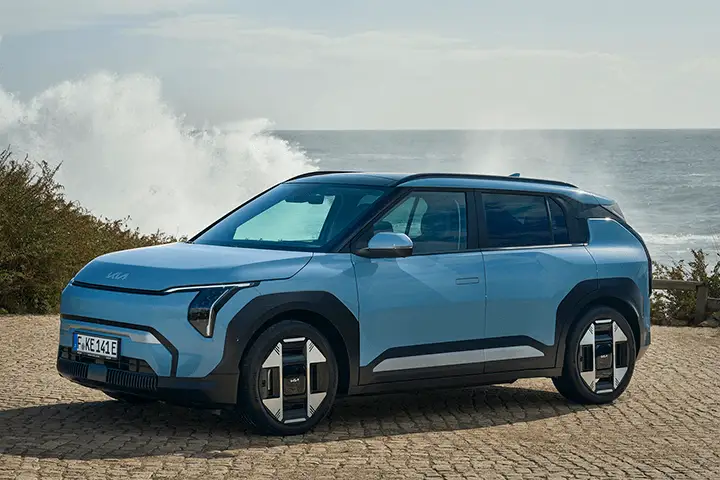
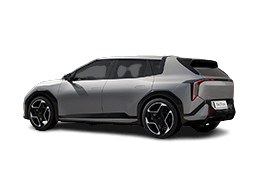
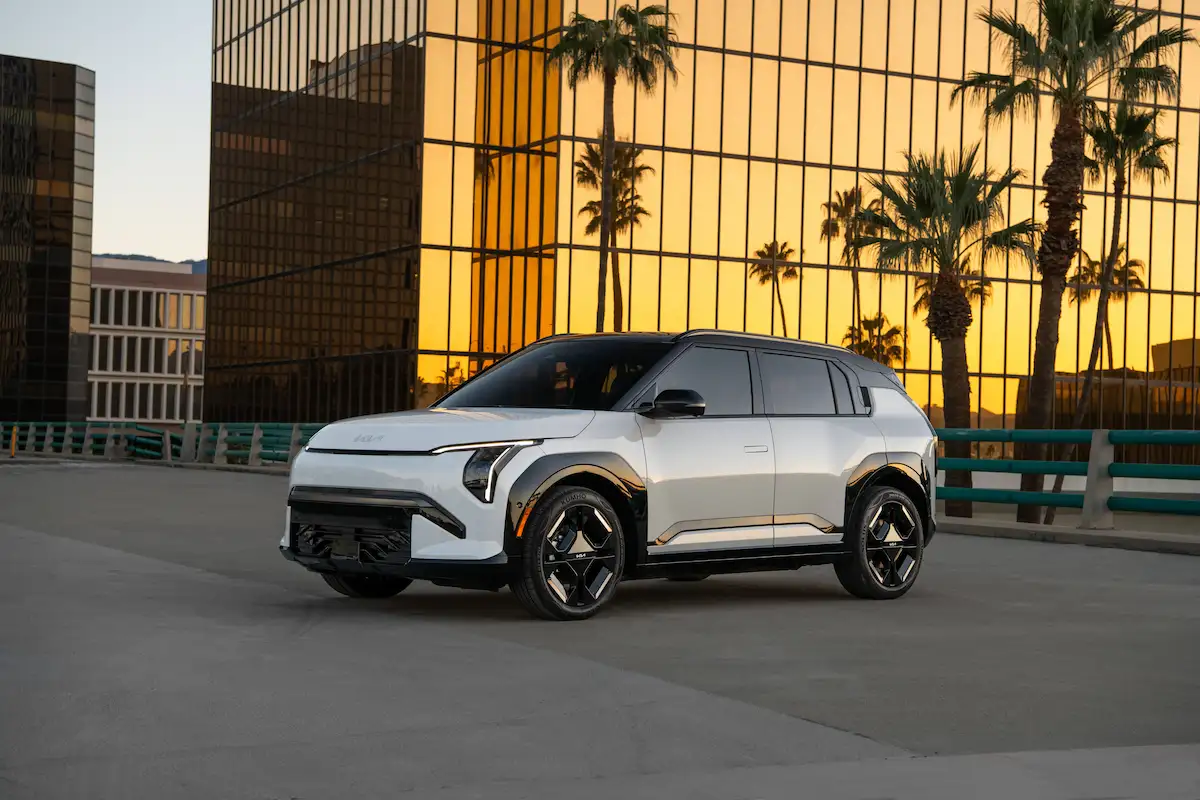
Kia EV3 front view electric SUV design and specifications
Kia EV3
battery capacity
Capacity
range –
Range
power output
Power
acceleration
Acceleration
58 kWh
436 km

150 kW

7.5 s

Technical Data & Performance

Model Years2025–present
Trim (Variant)EV3 - Standard Range | 58.3 kWh
Power (Horsepower)150 kW (204 hp)
Top Speed170 km/h (106 mph)
Torque283 Nm (209 lb-ft)
Acceleration7.5 sec (0–100 km/h)
7.5 sec (0–62 mph)
DriveFWD Front-wheel drive
Motor detailsSingle Permanent Magnet Synchronous Motor
Motor codeHyundai Mobis / Kia

Battery & Charging

Battery Capacity & Size55.0 kWh usable,
58.3 kWh gross
Max Range436 km (271 mi) / WLTP
Winter Range (Real-World)Check Range Chart ↓
Consumption14.9 kWh/100 km
Battery TypeNMC (Nickel Manganese Cobalt)
Cell Format / SupplierPouch Cells | SK On / LG Energy Solution (LGES)
Battery PreconditioningYes
Battery Voltage369 V
V2L SupportedYes / 3.6 kW
Heat pumpYes
AC Home ChargingType2 / 1-phase - 7.4 kW (Max Power)
Type2 / 3-phase - 11 kW (Max Power)
DC Fast ChargingCCS2, 100 kW (Max Power)
29 min. (10–80%)
Charging UpdatesStarting 2025 Kia switches to NACS in North America replacing CCS1.

Dimensions & Body

Type5 door, SUV
Seating capacity5
ClassB/C-segment (Subcompact Crossover SUV)
Length4300 mm (169.3 in)
Width1850 mm (72.8 in)
Height1560 mm (61.4 in)
Wheelbase2680 mm (105.5 in)
Ground Clearance140 mm (5.5 in)
Curb weight1800 kg (3968 lb)
Gross weight2270 kg (5004 lb)
Trunk Volume460 L (16.2 ft³)
1250 L (44.1 ft³) max
TowingUnbraked: 500 kg (1102 lb), Braked: 500 kg (1102 lb)
Drag Coefficient0.263
PlatformE-GMP | Hyundai Motor Group
Estimated Market Price
* for reference only
EUR 35,000

⚠️ Please note: actual vehicle specifications may vary depending on market, trim level, or available regional packages.

Kia EV3 Standard Range 58.3 kWh 2025
EVspecsHub Score — Kia EV3 Standard Range 58.3 kWh (2025)
Independent rating vs all passenger EVs on sale 2025–2026
EVspecsHub.com
Range
436 km WLTP · 17" wheels · Air trim · figures valid for cars built from June 2025
436 km · 400–499 km band → 6.0 · decent for segment size
6.0
avg
Battery
~55 kWh usable · 58.3 kWh gross · NMC · 400V · no V2G standard
55 kWh usable · 50–59 kWh band → 5.0 · 400V (no 800V bonus)
5.0
avg
Charging
101 kW DC max · ~29 min 10–80% · 400V · V2L not standard (GT-Line S only)
101 kW → 4.0 · 100–149 kW band · no 800V · no V2L/V2H/V2G standard
4.0
weak
Performance
0–100 km/h 7.5 s · 150 kW / 204 hp · FWD · 283 Nm
7.5 s → 5.0 · 7.0–7.9 s band · FWD (no AWD bonus)
5.0
avg
Efficiency
14.9 kWh/100 km WLTP · best trim · genuinely impressive for a compact SUV
14.9 kWh/100 km · 14.0–14.9 km band → 7.0 · strong for class
7.0
good
Cargo
460 L boot · 25 L frunk · 485 L combined
485 L combined · 400–499 L band → 5.0 · vs Skoda Elroq: 470 L boot
5.0
avg
Value
€35,990 · $38,600 · €82.5/km · $88.5/km WLTP
€82.5/km · $88.5/km · €75–89/km band → 6.0 · 10% above avg €75/km
6.0
avg

Verdict: The EV3 Standard Range is a solid daily driver — 14.9 kWh/100 km WLTP efficiency is hands down the highlight here, and owners in forum threads consistently back that up with real-world numbers close to the claim. The 436 km WLTP range is decent for the class, and the pricing at €82.5/km sits just above the market average. Where it loses points: charging at 101 kW feels slow compared to the segment leaders, and V2L isn't standard — you need the top GT-Line S trim for that. For city-first buyers who charge at home, this is a genuinely smart pick.

© EVspecsHub.com · All passenger EVs 2025–2026 · March 2026 · Methodology v6.7

5.4
out of 10
EVspecsHub Score
📊 Using this score in your review?
Free to use — just credit EVspecsHub.com
Share or embed this EVspecsHub Score

Free to use — please include a visible link to EVspecsHub.com

Embed code (iframe):
Share link:
▸ Score data table (methodology v6.7)
Kia EV3 Standard Range 58.3 kWh (2025) — EVspecsHub Score v6.7. Range: 436 km WLTP (17" Air) → 6.0 (400–499 km band). Battery: ~55 kWh usable, 400V, NMC → 5.0 (50–59 kWh band, no 800V bonus). Charging: 101 kW DC, ~29 min 10–80% → 4.0 (100–149 kW band, no V2L/V2H/V2G standard). Performance: 7.5 s → 5.0 (7.0–7.9 s band), FWD no bonus. Efficiency: 14.9 kWh/100 km WLTP → 7.0 (14.0–14.9 band). Cargo: 485 L combined (460 boot + 25 frunk) → 5.0 (400–499 L band). Value: €35,990 / 436 km = €82.5/km → 6.0 (€75–89/km band). Price source: Kia Germany official, March 2026. EUR/USD rate: 1 EUR = 1.072 USD, March 2026. EVspecsHub.com.
CriterionScoreKey data10/10 =
Range6.0436 km WLTP · 17" Air · 400–499 km band800+ km
Battery5.0~55 kWh usable · NMC · 400V (no bonus) · 50–59 kWh band110+ kWh
Charging4.0101 kW DC · ~29 min · 400V · no V2L/V2H/V2G standard · 100–149 kW band400+ kW
Performance5.07.5 s → 5.0 · FWD, no AWD bonus · 150 kW / 204 hpsub-3s AWD
Efficiency7.014.9 kWh/100 km WLTP · 14.0–14.9 band<12 kWh/100 km
Cargo5.0485 L combined (460 boot + 25 frunk) · 400–499 L band1100+ L
Value6.0€35,990 · €82.5/km · $88.5/km · €75–89/km band<€45/km
Overall5.4 / 10EVspecsHub Score v6.7 · EVspecsHub.com · March 2026
Side profile of the second-generation KIA Niro EV (2023–Present), highlighting its angular C-pillar with optional Aero blade, 2720 mm wheelbase, and 64.8 kWh usable battery, enabling a WLTP range of up to 460 km.
Niro EV (2023-pr.)
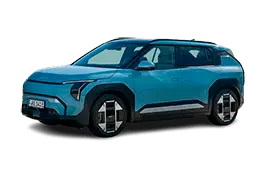
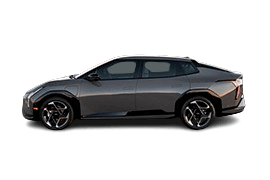
Kia EV3 side view compact electric SUV dimensions and profile
EV3 (2025-pr.)
Kia Ev4 2025 180
EV4 Hatchback 2025-pr.)
Kia Ev4 Fastback 2025 180
EV4 Fastback (2025-pr.)
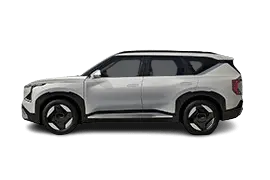
Kia EV5 side profile showing 2750 mm wheelbase and spacious electric SUV body.
Kia EV5 (2023-pr.)
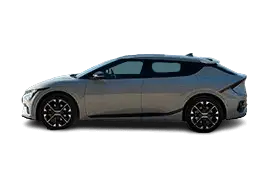
Side profile of the Kia EV6 (2025 facelift) electric crossover, highlighting its coupe-like roofline, new alloy wheel design, and long wheelbase with improved battery capacity up to 84.0 kWh.
Kia EV6 (2025-pr.)
Kia Ev9 2024 180
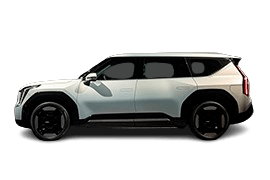
Kia EV9 (2024-pr.)
Kia Soul Ev 2019 180
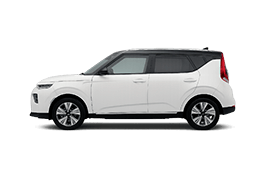
Soul EV (2019-pr.)

Kia EV3 Standard Range (2025): Real Owner Data — Battery Type, Range, Charging. What the Brochure Skips.

People keep asking: is the Kia EV3 NMC or LFP? Does it charge to 100% safely? What range do you actually get in winter? I went through owner forum threads, cold-weather logs, and real charging sessions to answer these questions. No brochure numbers repeated back at you. If it's here, someone with an actual EV3 Standard Range measured it. Figures valid for cars built from June 2025.

This page covers the 2025 Kia EV3 Standard Range | 58.3 kWh only. It shares the same body as the Long Range but has a smaller pack, lower DC peak, and different real-world range. The two variants look the same on Kia's website — they're quite different under the skin.

1 Battery Chemistry — NMC or LFP? The Confusion Explained Standard Range | 58.3 kWh

Short answer: the EV3 Standard Range uses NMC (Nickel Manganese Cobalt) chemistry. Both pack sizes — 58.3 kWh and 81.4 kWh — are NMC in every market. There is no LFP version of the EV3. The confusion comes from comparing it to other Kia models where LFP does appear.

NMC vs LFP — What actually matters for EV3 owners

QuestionEV3 Standard Range (NMC)LFP (for reference)
Daily charge limit80% recommended100% is fine daily
Occasional 100%OK for long trips, not every dayNo issue
Cold weather performanceNoticeable drop below 5°C (41°F)Larger drop below 0°C (32°F)
Cycle lifeTypically 1,000–1,500 cycles to 80% capacityTypically 2,000–3,000+ cycles
Energy densityHigher — smaller, lighter packLower — pack is bigger for same kWh
Fast charge peak~100 kW on CCS2Usually lower peak power
NMC charging habit: Set your daily limit to 80% in the Kia app. Use 100% when you genuinely need the full distance. Kia's own onboarding materials don't make this clear enough — it's something owners figure out from each other.

The pack sits at a nominal 369 V inside a 400 V architecture. Gross capacity is 58.3 kWh — the number on Kia's website. Actual usable capacity is around 55 kWh, with roughly 3.3 kWh held in reserve by the BMS at both ends. Use 55 when planning trips or calculating charge cost — the 58.3 figure will make your numbers look better than they are.

Cells come from HLI Green Power, a joint venture between Hyundai Motor Group and LG Energy Solution, produced in Indonesia. The motor uses hairpin winding — a technique that increases copper conductor density in a smaller space. That detail is in Kia's engineering documentation but not in any consumer brochure. Pack weight: 375 kg (827 lb), which is 95 kg (209 lb) lighter than the Long Range — and that difference shows up directly in the kerb weight gap between the two variants.

2 DC Charging — The Flat Curve and the 70% Rule Standard Range | 100 kW peak

Kia quotes 100 kW peak. Some owners on fast 150 kW+ stations have briefly seen 120–125 kW at very low SoC — but plan around 100 kW. The more useful thing I noticed from multiple sessions: the curve holds unusually flat from about 10% to 70% SoC. This is deliberate — Kia shaped it for consistency rather than a high early peak that drops fast.

The real insight is what happens at 70% SoC. Power drops hard. By 75% you're already below 55 kW, and the last 10% trickle in at speeds that make stopping there pointless on a road trip. Unplugging at 70–72% instead of 80% saves roughly 8–10 minutes with almost no practical range penalty for the next leg. On a two-stop trip that adds up.

DC Charging Curve — Kia EV3 Standard Range 🇪🇺 Europe / Global · CCS2 · warm battery

EVspecsHub.com

NMC · 58.3 kWh gross / ~55 kWh usable · 400V · CCS2 · warm battery · peak ~100 kW (some sessions 120–125 kW at low SoC)

The plateau from 10% to ~70% is intentional — Kia built a flat curve, not a spike-and-drop. This makes the EV3 predictable at chargers. But beyond 70% the fall is real and fast. Target 70–72% as your road-trip stop point.

Kia EV3 Standard Range — DC Charging Power by SoC

CCS2 · warm battery · owner-logged sessions

State of ChargePower (kW)Notes
5%~98 kWRamping toward peak
15%~100 kWPeak — some sessions hit 120–125 kW briefly on fast stations
25%~99 kWPlateau holds — intentional flat curve
35%~98 kWBarely moving
45%~96 kWVery gradual decline
55%~93 kWStill above 90 kW
65%~88 kWApproaching the drop zone
75%~52 kWDrop accelerates — optimal stop is before here
85%~28 kWBMS balancing — slow
95%~14 kWNot worth waiting for on a road trip stop

Cold battery (<5°C / 41°F) reduces peak significantly. Target 150 kW stations — ultra-rapid 350 kW chargers give no advantage on 400V architecture.

EVspecsHub.com

SR vs LR at a charger — quick comparison

  • Standard Range (58.3 kWh): Peak ~100 kW, flat plateau to ~70% SoC, 10–80% in roughly 29–31 min on a warm battery.
  • Long Range (81.4 kWh): Peak ~128–135 kW in practice, but 10–80% still takes 32–34 min — bigger pack absorbs more energy per percent. Higher peak, similar stop time.
  • 350 kW stations: Wasted on both variants. The 400 V platform has a hard ceiling. Target 150 kW. Anything above that gives you nothing extra.

3 AC Home Charging — A Known Issue Worth Knowing Check Your Build Date

This generated more owner discussion in the first year than anything else about the EV3 — and Kia didn't warn anyone at delivery.

The pattern owners reported: session starts at 7.0–7.2 kW on a home wallbox, then somewhere between 45 minutes and two hours it drops to 1.2–1.5 kW and stays there. The wallbox works fine on every other car. It happens across multiple wallbox brands. From owner experience it's single-phase specific — three-phase connections don't trigger the throttling, but three-phase home setups are uncommon in the UK and much of Europe.

Some owners had the ICCU (Integrated Charging Control Unit) replaced. For several it fixed nothing. The workaround that worked most consistently: cap AC charging current to 90% in the car's settings, dropping from 7.2 kW to ~6.3 kW. Sessions then complete without throttling. Kia Europe confirmed awareness in early 2026. No OTA fix as of March 2026.

Test it in week one: Run a full overnight session from below 30% right after delivery. If it throttles under 2 kW mid-session, flag it to the dealer immediately — warranty response is faster with low mileage. The 90% cap takes two minutes to set.

4 Real-World Range — What Owners Are Actually Logging Standard Range | 55 kWh usable

Official WLTP is 436 km (271 mi) — measured in a lab at moderate speed with climate off. Based on owner logs across different conditions, here's the real picture.

Real-World Range — Kia EV3 Standard Range 🇪🇺 Europe / Global · owner-logged

EVspecsHub.com

NMC · ~55 kWh usable · WLTP 436 km (271 mi) · 19" wheels · owner-logged data, not lab figures

WLTP official
436 km 271 mi
City / mixed, 15–20°C (59–68°F)
390–430 km 242–267 mi
100–110 km/h (62–68 mph)
310–340 km 193–211 mi
130 km/h (81 mph) motorway
~275–325 km ~171–202 mi
Winter <5°C (41°F), no heat pump
~175–220 km ~109–137 mi
Winter <5°C (41°F), with heat pump
~210–260 km ~130–162 mi

City driving in mild weather: owners regularly hit 3.8–4.4 mi/kWh (6.1–7.1 km/kWh) — occasionally close to WLTP on short commutes with heavy regen. At 130 km/h (81 mph), consumption goes toward 18 kWh/100 km (3.5 mi/kWh). Cold weather without a heat pump is the real pain point — short trips from cold push some owners below 2.3 mi/kWh. The car burns more energy warming itself than actually moving on the first few kilometres.

Kia EV3 Standard Range — Real-World Range by Condition

NMC · ~55 kWh usable · WLTP 436 km (271 mi) · owner-logged data

Condition Range (km) Range (mi) Consumption Notes
WLTP official 436 km 271 mi ~12.6 kWh/100km Lab figure, climate off, moderate speed
City / mixed, 15–20°C (59–68°F) 390–430 km 242–267 mi 12.8–14.1 kWh/100km Regen pays back well in stop-start; owners regularly see this range
100–110 km/h (62–68 mph), mild 310–340 km 193–211 mi 16.2–17.7 kWh/100km Comfortable motorway — most consistent real-world scenario
130 km/h (81 mph) motorway ~275–325 km ~171–202 mi ~18 kWh/100km Aerodynamic drag dominates above 120 km/h
Winter <5°C (41°F), no heat pump ~175–220 km ~109–137 mi 25–31 kWh/100km Cold battery + resistive heater — the real pain point on short trips
Winter <5°C (41°F), with heat pump ~210–260 km ~130–162 mi 21–26 kWh/100km Heat pump saves 15–25% vs resistive on longer trips; less difference on cold starts under 8 km

Owner-logged data across European markets. Consumption figures calculated from ~55 kWh usable. Short cold trips (<8 km) push efficiency lower regardless of heat pump — pre-condition while plugged in. Figures valid for cars built from June 2025.

EVspecsHub.com
Cold weather quick win: Turn on heated seats and steering wheel before raising the cabin temperature. They warm you directly and use a fraction of the energy the climate system draws. Owners who switched to this approach on cold mornings reported noticeably better short-trip range — exactly where the SR hurts most without a heat pump.

5 Cargo & Interior — What Owners Measured All Trims

The 460 L (16.2 cu ft) boot figure is accurate and genuinely competitive — it beats several class rivals, helped by the EV platform's flat underfloor. The adjustable boot floor moves 140 mm (5.5 in) between positions. Most owners keep the charging cable under the floor and use the full load area. Seats folded: ~1,250 L (44.1 cu ft). A standard adult bicycle fits on most frames without removing the front wheel.

The frunk is 25 L (0.9 cu ft). That's a cable cubby — one brick charger and a Type 2 cable fills it. Don't plan trips around it.

  • Boot lip height: 750 mm (29.5 in) — owner-measured. Higher than several competitors; heavy bags take effort.
  • Wheelbase: 2,680 mm (105.5 in) — same as the Sportage despite the EV3 being 200 mm (7.9 in) shorter overall. That's why rear legroom surprises people.
  • Ground clearance: 140 mm (5.5 in) — fine for normal roads, not great for rough tracks.
  • Kerb weight: 1,725–1,800 kg (3,803–3,968 lb) depending on trim.
  • The slim HVAC unit adds ~60 mm (2.4 in) of front footwell depth compared to a conventional layout. Owners with larger feet mention this as one of the most underrated benefits on longer drives.

6 Motor & Platform — Under the Skin Technical

The motor is a front-mounted PMSM (Permanent Magnet Synchronous Motor) from Hyundai Mobis — 150 kW (204 hp) / 283 Nm (209 lb-ft). Same output on both Standard and Long Range. Max regen output matches the motor at 150 kW, which is why i-Pedal 3.0 can hold the car to a complete stop without touching the brake — the previous version couldn't do this and required foot-on-brake at every red light. Owners who came from an older Kia EV notice this immediately.

The platform is a modified Hyundai-Kia K3 architecture adapted for BEV. This is not the E-GMP 800 V platform used in the EV6 and Ioniq 5 — and that's exactly why DC charging is capped at ~100 kW instead of 200+ kW. The trade-off bought a much lower price and that predictable flat charging curve. Pack voltage: 369 V nominal. AC charging: up to 11 kW. CCS2 for DC. V2L is standard across all trims at 3.6 kW (GT-Line S gets the internal socket; other trims use the CCS port with an adapter).

Drag coefficient: 0.263 — good for a compact crossover. Active aero flaps behind the grille open and close with speed and cooling demand. Towing capacity: 500 kg (1,102 lb) braked on the Standard Range.

📋 Full technical specifications — both EV3 variants:

Note: All figures drawn from owner-reported measurements, real-world charging sessions, and community data — not Kia's official publications alone. Values can shift by trim level, software version, market, and ambient conditions. Data current as of March 2026.
Back to contents

Share this data

Free to use — please include a visible link to EVspecsHub.com

✓ Link copied!

Kia EV3 Generation Guide: What Actually Changed, Year by Year — and Why It Matters

The EV3 is a young model, but it's already changed more than most coverage acknowledges. The battery cell supplier isn't something Kia advertises. The heat pump situation blindsided a lot of European buyers. The 2026 GT is a completely different powertrain, not a trim level. And the US version — if it lands — will be built in a different country with different cells. I've dug through spec sheets, owner discussions, and press documents across every market to map out exactly what shifted and when. Here's what the model timeline actually looks like under the surface.

1 2023 — Concept & the Platform Decision That Defines Everything Origins

The EV3 concept appeared at Kia's EV Day in October 2023 and was unusually close to what went into production — same proportions, same "Digital Tiger Face," the upright EV9-esque stance. But the more consequential decision was made off-stage: what platform to build it on.

The EV6 and EV9 use E-GMP at 800V — up to 236 kW DC, sub-20-minute sessions. The EV3 gets none of that. Kia took a modified version of the older K3 platform (the base of the Ceed/Cerato), reworked it for BEV use, and capped it at 400V. The practical result: Standard Range maxes at 100 kW DC, Long Range at 128–135 kW. Plugging into a 350 kW ultra-rapid charger makes no difference whatsoever.

It was a deliberate cost call. Full 800V E-GMP adds thousands in hardware. For a car targeting £33–40k in Europe, Kia decided charging speed was a fair trade for affordability — and 75,000+ global sales in year one suggest that was the right read of the market.

The shorthand: EV3 = modified K3, 400V, FWD. EV6/EV9 = E-GMP 800V, faster charging, optional AWD. Same brand name, fundamentally different architecture. This won't change on the current generation.

2 2024 MY — Korea Launch: The Baseline Spec May 2024

Production EV3 debuted May 23, 2024 with Korean deliveries from July. This is the spec the car launched on — and it's still essentially what European buyers drive today. No powertrain changes have followed.

Both batteries use NMC chemistry from SK On — Kia's long-standing cell partner for the EV6 and EV9. The 58.3 kWh Standard Range pack is the same gross capacity as the entry-level EV6 Light; Kia recycled a proven size rather than engineering something new, which kept both cost and platform validation straightforward. Kia only publishes gross figures; the usable numbers (~55.0 kWh SR / ~78 kWh LR) come from third-party OBD analysis and owner measurement.

Standard Range vs Long Range at launch — differences only. Motor (150 kW PMSM), drive (FWD), voltage (400V), cell chemistry (NMC, SK On) and AC charger (11 kW) are identical across both.
Standard Range Long Range
Battery gross / usable 58.3 kWh / ~55.0 kWh 81.4 kWh / ~78 kWh
DC peak charge 100 kW 128–135 kW
WLTP range 414–436 km (257–271 mi) 563–605 km (350–375 mi)
V2L at launch Not on Air trim Standard on GT-Line S; optional on GT-Line

One thing that gets overlooked in most EV3 coverage: i-Pedal 3.0. Owners of the EV6 or Niro EV will notice it straight away — the 3.0 version holds the car stationary without any brake pedal input. Earlier Kia EVs couldn't do that; you still needed your foot on the brake at lights or on a slope. It came standard from day one on EV3, and it makes stop-start urban driving noticeably less tiring. Small detail on paper, meaningful in daily use.

3 Late 2024 — Europe & UK: The Features That Weren't There Nov 2024

European deliveries started November 2024. Hardware unchanged from the Korean car. What the European rollout revealed was how Kia gated key features — and two specific decisions generated more owner friction in the first months than anything else about the car.

Heat pump: paid option, GT-Line S only. In the UK it's £900 extra, available only on the top-spec GT-Line S. Air and GT-Line buyers get resistive cabin heating, full stop. In cold weather, the heat pump recovers 30–40 km of real range versus resistive heat. Going through the UK owner forum threads from that first winter, the number of buyers who genuinely didn't realise this until their first cold snap was high. It's the kind of thing that needs to be clear before you sign, not after.

V2L: segment-first. Up to 3.6 kW via the external CCS port (adapter needed) or an internal socket on GT-Line S. Renault, Volvo, and Tesla's class rivals didn't offer this at all. Standard on GT-Line S, optional on GT-Line, not available on Air.

4 2025–2026 MY: Two Real Updates Worth Knowing 2025–2026

The 2025 model year brought nothing new to the powertrain — same battery, same motor, same charging limits. OTA updates through 2025 covered BMS refinements, regen calibration, and infotainment. The car sold well (75,000+ global units, 137% Korean YoY growth, World Car of the Year in January 2026), but the hardware was unchanged. Two things did change for 2026-built cars that are worth tracking:

Regen paddles. On 2024 and early 2025 builds, adjusting regen strength meant going into the drive mode menu. From 2026 MY, steering wheel paddles change regen level on the fly. Owners of the earlier cars consistently mention this as a thing they miss having.

22 kW AC charging — GT-Line S (and in some markets GT-Line). The launch spec was 11 kW AC. From 2026-built GT-Line S cars, 22 kW three-phase is available — roughly halving overnight charge time for anyone with a three-phase supply. This is an onboard charger spec change, not an OTA update. Earlier cars don't get it retroactively. If three-phase home charging is part of your setup, build date matters.

5 2026 — EV3 GT: First AWD, First Real Performance Variant Jan 2026

Revealed at Brussels in January 2026. Not a trim level — a different powertrain. Second motor on the rear axle, electronically controlled suspension, reworked brakes, 20-inch wheels on GT-specific performance tyres. If you've driven the standard EV3 on a twisty road and found it soft and nose-heavy, this was built directly in response to that criticism.

EV3 GT vs standard Long Range — differences only. Battery (81.4 kWh NMC), DC charging speed (128 kW peak) and connector type are unchanged.
Long Range (standard) EV3 GT (2026)
Drive / motors FWD, 150 kW single AWD — 145 kW front + 70 kW rear
System output 150 kW / 283 Nm 215 kW / 468 Nm (292 hp)
0–100 km/h 7.7 sec 5.7 sec
AC charging 11 kW (22 kW GT-Line S option) 22 kW standard
Suspension Conventional, fixed damping Electronically controlled, GT-tuned
Virtual Gear Shift / sound No Yes — paddles + active sound design

Two things worth flagging beyond the table. The battery is the same 81.4 kWh NMC pack as the standard Long Range — no upgrade. Real-world range will be lower than the FWD car due to dual-motor losses; my estimate based on comparable AWD compacts is 300–315 miles WLTP, with official figures pending at time of writing. And DC charging doesn't improve — still 128 kW peak, same ceiling as the Long Range standard. The GT is purely a performance and dynamics story. If you want faster charging, it's still the wrong EV3 for that.

⚠ EU homologation range figures not yet published as of March 2026. Korean production started January 2026; European deliveries expected mid-2026.

6 2026 US Version: Same Name, Different Car Underneath Unconfirmed

Full US specs are still unconfirmed as of March 2026. But the broad picture is clear — and there's one piece of wrong information circulating widely that needs correcting.

Built in Mexico, not Korea. Kia needs North American production to qualify for the $7,500 federal EV tax credit and to sidestep tariff exposure on Korean imports. The cell supplier hasn't been announced, but the credit rules require significant North American battery content — meaning the SK On cells from the European car likely won't transfer directly.

AWD at launch. Every reliable source points to a dual-motor AWD option alongside FWD from day one in the US — unlike Europe, where FWD launched first and AWD came later as a separate GT variant. US-market camouflaged test mules confirmed dual-motor hardware.

Target ~$35,000 before federal credit, potentially $27,500 after — which would make it the most affordable long-range EV on the US market. Mid-2026 delivery is the current estimate, though this date has shifted before.

One correction worth making clearly: Several US publications cited "800-volt fast charging" for the EV3. This is wrong in every market and every configuration. The EV3 is 400V. 800V is the EV6 and EV9. Don't route a road trip based on that figure.

7 What Hasn't Changed — and Probably Won't Honest Summary

Evolution guides can make a car sound like it improves in every direction with every year. The EV3's trajectory is mostly positive — but some things have stayed fixed since launch, and knowing them now saves frustration later.

  • 400V ceiling is permanent for this generation. Not fixable by OTA, not coming in a future revision. ~100 kW DC for Standard Range, ~128–135 kW for Long Range. If you need long motorway legs recharged in under 20 minutes, this is the wrong car for that job.
  • FWD only outside the GT. All standard model year cars are front-wheel drive. AWD arrived only with the GT in 2026.
  • NMC throughout — no LFP option. Unlike the Model Y base RWD in Europe (LFP, charge to 100% daily), every EV3 is NMC. Daily charge limit: 80%. Save 100% for road trips.
  • Heat pump still GT-Line S only in the UK. £900 extra, one trim only. No sign of this changing.
  • Single-phase AC charging throttle issue. Documented since delivery: some cars drop from 7.2 kW to ~1.4 kW after 45–90 minutes on a single-phase wallbox. Not resolved by OTA as of early 2026. The workaround — cap AC current to 90% in settings — helps, but it shouldn't require a workaround on a new car. Test your home setup in the first week.
Note: This guide draws on confirmed spec data, owner community reports, press material and technical documentation as of March 2026. US-market specs remain unconfirmed in full. Where data has shifted since launch, the most recent confirmed version takes precedence.
Back to Contents

Kia EV3 Standard Range (2025): What It's Actually Like to Live With

Press drives don't tell you what the car is like when it's cold, dark, and you're plugging in for the third time that week. This is built from months of owner logs, charging session reports, and forum threads from people who actually live with the Standard Range — the good stuff, the first-winter shock, and the things that frustrate owners long after the novelty wears off.

1 How It Drives All Variants

Off the line it pulls harder than 7.5 seconds implies — instant torque does that. City driving is the EV3's strongest suit: one-pedal, quiet, and completely undemanding once you've set up the regen level. Motorway cruising is composed. What owners stop enjoying is the winding B-road — soft suspension and a front-heavy setup produce real body roll if you push. Nobody coming from a family crossover will care. Someone expecting something sporty will be caught off-guard.

i-Pedal 3.0 is the thing previous Kia EV owners mention most. The Niro EV's regen couldn't hold the car fully stationary — you still put your foot on the brake at lights. The 3.0 version holds it there, hands-free. Small difference in description, genuinely noticeable difference in everyday driving.

✅ Sport mode barely changes anything — most owners dropped it after a week. Eco mode actually matters for range on longer runs.

2 Interior All Trims

The 30-inch widescreen looks striking but what owners actually appreciate after three months is the physical buttons for volume and climate. Touch-only temperature controls while moving are distracting — the EV3 gets this right. Early infotainment glitches cleared by OTA updates.

Materials are honest rather than luxurious. Surprising finding: Air trim cloth seats are better liked than the GT-Line's faux leather — one owner said the leather felt clammy after a summer commute in a way the cloth didn't. Rear seat space is the real standout — a 185 cm adult fits behind another adult of the same height without knees touching, thanks to the flat EV floor and extended wheelbase in a 4.3 m car.

3 Range — The Honest Version Standard Range | 58.3 kWh

In mild weather the Standard Range delivers. Owners log 3.8–4.4 miles/kWh on mixed driving — close to or over the 270 miles WLTP figure. That part is real.

Then winter arrived. Multiple UK owners who took delivery in November–December were logging 2.3–2.8 miles/kWh on short daily trips at 6–12°C. Under 200 miles of real range from a full charge. Dealers said: "it's the heating." Which is true — but Air and GT-Line don't have the heat pump, so resistive cabin heating burns energy from cold on every short trip. One owner said the gap felt dishonest. By spring, without changing driving style, the same car was doing 3.5–4.0 miles/kWh on identical routes. The car isn't broken. The first winter without a heat pump is just genuinely rough.

Heat pump is GT-Line S only in the UK, £900 extra. Owners who compared directly measured 30–40 km more real range per charge below 5°C. If you live somewhere with real winters, this is the most important spec decision on the whole car.

4 Charging Standard Range

On a public DC charger the EV3 Standard Range is easy to use. The curve holds flat to around 70% SoC and 10–80% takes 30–31 minutes. One owner who'd run both an EV6 and an Ioniq 5 called it the most predictable charging stop they'd had — which for road trip planning is the right kind of boring. Cold arrivals stretch the session to 35–40 minutes.

At home, a pattern caught people off-guard. Charging starts at 7.0–7.2 kW, runs for 45–90 minutes, then drops to 1.2–1.5 kW and stays there. Same wallbox works fine on other cars. Several owners had the ICCU (Integrated Charging Control Unit) replaced; some were fixed, others had it return. The consistent workaround: cap AC charge current to 90% in the car's settings. That drops rate to 6.3 kW but sessions complete without throttling. It shouldn't need a workaround. It's still unresolved by OTA as of early 2026.

5 Coming From a Niro EV Upgrade Context

The Niro was an adapted petrol platform. The EV3 was designed electric from the start — and you feel the difference every day.

  • Rear cabin space: EV3 is 12 cm shorter than the Niro EV but has a flat floor and more usable leg room for centre rear passengers. Three adults in the back: owners who tried it in both cars said it wasn't a close comparison.
  • DC charging: Niro EV maxes at 85 kW, 10–80% in ~45 minutes. EV3 does it in 30–31 minutes. On a 600 km trip with two charging stops, one owner calculated roughly 20–25 minutes saved — enough to matter.
  • Refinement: Someone who drove the same motorway stretch back-to-back in both cars said the EV3 felt like a different category of car. Stiffer body, no drivetrain vibration, no motor whine at any speed.
  • What you lose: Boot volume — Niro folds to 1,392 L vs EV3's 1,251 L. For most families it doesn't matter. For anyone who regularly carries large loads, worth measuring.
✅ Most Niro EV owners who switched say they don't miss it. The charging speed alone was enough for several of them to stop second-guessing the decision.

6 The Things That Frustrate Owners Honest

  • Heat pump gating: The top complaint in owner communities throughout the first year. Marketing a car on class-leading range while making the cold-weather efficiency hardware a top-trim paid extra created a real gap between expectation and experience — particularly for buyers who took delivery in winter.
  • AC charging throttle: 7 kW dropping to 1.4 kW mid-session on single-phase wallboxes. Unresolved by OTA as of early 2026. The 90% current cap workaround helps, but it exists.
  • ICCU reliability: A known weak point across this Kia/Hyundai EV platform generation. Most owners never see it. Those who do deal with weeks of unreliable charging. The 7-year warranty covers it — the inconvenience doesn't disappear, but at least it's not a bill.
  • Speed warning bongs: Forward camera reads signs on private land and side roads, triggering repeated warnings. There's a way to silence it (hold volume button for three seconds) but it resets on restart. UK owners have strong feelings about this specific issue.

7 The Bottom Line Overall

When it works as intended — regular commuting, mild conditions, a DC stop on longer runs — the EV3 Standard Range earns its reputation: quiet, spacious, efficient, with predictable charging. Owners who understood the heat pump situation going in and tested home charging in the first week have had a smooth run. Those who hit a cold winter without a heat pump and a home charging throttle in the same month describe a rougher start. The car isn't poorly made. The ownership experience just has sharper edges than the marketing implies. Know them before you sign.

Back to Contents

Kia EV3 (2025): Real Owner Problems & Known Fixes

I want to be upfront: the EV3 only started reaching first owners in late 2024, so we're still early. What follows is what's already surfaced from people living with the car day to day — charging failures, cold-start oddities, design decisions that catch you off guard. I've gone through the owner threads carefully so you don't have to. Some of this is fixable. Some is a known platform issue Kia inherited and hasn't fully resolved. Worth knowing before you take delivery.

Before EV3 What the Niro EV Left Behind — and What Didn't

The EV3 isn't a facelift — it's a clean-sheet dedicated EV platform, and the Niro EV's old-school compromises (adapted ICE architecture, smaller battery ceiling, slower charging, no flat floor) did not follow it. That's genuine progress.

What did follow: the ICCU. The Integrated Charging Control Unit is shared across Hyundai and Kia EVs, and it has a documented failure history going back to the EV6 and Ioniq 5. The EV3 uses the same unit. That's the single biggest known risk on this car right now — it gets its own section below.

1 ICCU Failure — The Inherited Platform Problem You Need to Know About

This is the issue that's hit owners hardest, and the one Kia has been least transparent about. The ICCU converts the main high-voltage battery down to 12V for all the car's auxiliary systems — your infotainment, door locks, power steering, everything. Think of it as the alternator equivalent in a petrol car. When it fails, AC charging stops. The car often still accepts DC fast charging, but the home wallbox just dies. In severe cases the 12V system drains, taking other electrical functions with it.

From what I've tracked across owner reports: one EV3 came back from a failed ICCU repair only to fail again three weeks later. Another owner was told the replacement part could take up to five months to arrive. These aren't isolated edge cases — the same pattern appeared on the EV6 and Ioniq 5 for years. A survey of nearly 400,000 vehicle owners found 2–10% of Kia/Hyundai EV owners experienced ICCU-related problems, against under 1% for other EV brands of the same period. The root cause is a transistor inside the unit that fails under overvoltage at the start or end of the 12V charging cycle. Kia has issued software updates and hardware replacements — but reports on EV3s continue into 2026.

What to do: Do a full overnight AC charge from below 30% in your first week of ownership. If it drops mid-session or doesn't start at all, flag it to the dealer while the mileage is low — warranty work moves faster early on. Ask about part availability before you agree to a timeline. DC charging usually still works during an ICCU failure, which is useful to know if you're caught out away from home.

2 AC Home Charging Drops to 1–2 kW Mid-Session

This is separate from the ICCU issue, though the two get confused. The session starts at a normal 7.0–7.2 kW, then somewhere between 45 minutes and two hours in, it falls to 1.2–1.5 kW and stays there. The wallbox works fine on every other car. Owners confirmed it's single-phase specific — three-phase setups don't trigger it. Kia acknowledged awareness in early 2026. No OTA fix has arrived as of March 2026.

Workaround that actually works: Go into charge settings and cap the AC current to 90%. That drops the draw to about 6.3 kW, and sessions complete without throttling. Two minutes to set. Not a proper fix — but it's been working consistently for the owners who've tried it.

3 Friction Brakes Partially Applied in the First Few Minutes from Cold

Something a handful of owners caught via OBD2 data: for the first 5–10 minutes of a cold-start drive, the friction brakes appear to be partially active alongside normal driving. Motor draw is elevated, and on regen Level 2 with no pedal input, the car decelerates more than it should. One owner described it as feeling like something was holding the car back until everything warmed up, then releasing. It disappears after a few kilometres. The most likely explanation is cold caliper drag — the discs and calipers stiffening in freezing temperatures before reaching operating temp. Kia doesn't formally acknowledge it. Worth knowing so you don't read your first cold morning as an efficiency problem with the car.

4 Flush Door Handles on Air Trim — Genuinely Awkward in Practice

GT-Line and GT-Line S get motorised pop-out handles that extend automatically on unlock. The Air trim has static flush handles requiring a specific push-and-pull two-finger motion that confuses almost every new passenger. One owner described it as "spanning an octave on the piano." On dark-coloured cars in wet conditions at night, the handles are nearly invisible — there's no illumination on the Air trim. This is a design decision, not a defect, but it's generated more sustained owner frustration than almost anything else on the car. If you're considering Air: try it in poor lighting conditions before deciding. The GT-Line handles are a completely different experience.

5 Software Quirks & Alert Overload

  • Eco mode resets to Normal at every startup. The car doesn't remember it. Confirmed across multiple builds, no OTA fix yet. Set it every morning or live in Normal.
  • Driver attention monitor is trigger-happy. Touching the central screen to change a radio station or vehicle setting trips the warning — louder and more persistent than on comparable cars. Most owners disable it in settings within the first week.
  • Front camera "obstructed" false alerts. The front camera shows as blocked when it isn't, disabling cruise control and lane assist. Likely a sensor fault or loose connector — dealer fix under warranty.
  • Profile confirmation screen at startup. The car waits up to 10 seconds for you to confirm your driver profile before it'll move. Workaround: use remote climate preheat before getting in — the car skips straight to ready-to-drive.
  • Infotainment freezes / Bluetooth delays. Sporadic on early builds. OTA updates have helped on some cars, not all. Hard reboot (hold screen power button) clears it temporarily.

6 Small Things Worth Knowing

  • Knocking from the boot over bumps. Sounds like suspension — it isn't. The bootlid rubber bump stops are the cause. A small amount of white grease on the two grommets from the dealer fixes it permanently.
  • Two-piece key fob. Emergency blade is a separate piece you carry loose. Lock and Unlock feel identical without looking. Small thing, but comes up in almost every first-week owner post.
  • Wipers can't lift fully for cleaning. The bonnet blocks the wiper arms in the parked position. A minor irritation that owners find out when washing salt off the screen in winter.

7 What Owners Aren't Complaining About

The most telling thing isn't the problem list — it's how short the overall complaint volume is compared to early EV6 and Ioniq 5 threads. The ride quality gets consistent praise, especially on 17-inch wheels. Owners switching from older Kia EVs mention i-Pedal 3.0 more than almost anything else — the fact that it holds the car completely stationary, that it remembers your setting on restart, is noticed every single day. The DC charging plateau holds reliably from 10% to 70% SoC, and owners describe it as one of the most predictable charging experiences they've had. Real-world efficiency at 3.9–4.4 mi/kWh (6.3–7.1 km/kWh) in mild conditions is tracking close to expectations. And the 7-year warranty means that when something does go wrong — yes, including the ICCU — most owners don't pay for it.

Note: Everything here comes from owner experience in the first year of UK and European deliveries — not long-term data, which doesn't exist yet. The EV3 reached customers in late 2024. We'll update this as more builds accumulate time in the field. Current as of March 2026.
Back to contents

Kia EV3 Standard Range vs Competitors: How Real Buyers Actually Choose

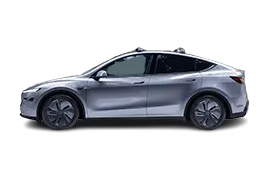
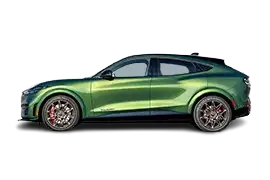
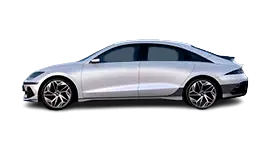
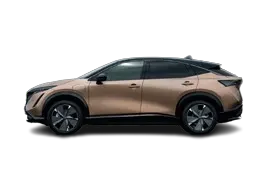
When you dig through the shortlist threads — the posts where people explain what they almost bought and why they didn't — the same four names keep showing up against the EV3 Standard Range. What's interesting is that the comparisons almost never play out the way the spec sheets imply. All four rivals here carry roughly the same usable battery capacity (58–65 kWh), which makes this an honest like-for-like look: same segment, same range class, same price bracket.

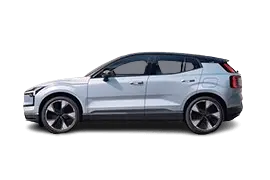
1 Volvo EX30 Single Motor Extended Range

  • Battery: 64 kWh usable (69 kWh gross).
  • Range: 476 km / 296 mi WLTP.
  • DC charging: Up to 153 kW, 10–80% in ~30 min. RWD.

This is the comparison that generates the most discussion — and I get why people take a long time on it. The EX30 at 64 kWh is the closest battery match to the EV3 Standard Range's 55 kWh usable, which makes it the most honest head-to-head in the class. People who end up with the Volvo usually describe it as a more engaging drive: sharper off the line (0–100 in 5.3 sec vs 7.5), better steering feel, rear-wheel drive dynamics. The Scandinavian-minimalist interior also gets consistent praise for feeling more premium despite costing roughly the same. Those are real advantages and I'm not dismissing them.

What tips serious family-car shoppers toward the EV3: the rear seat. I've read through more threads on this than I can count, and the same thing comes up every time — a 185 cm adult genuinely cannot sit comfortably behind another adult of similar height in the EX30, full stop. For anyone who regularly carries adults in the back, that's a deal-breaker that no amount of Scandinavian styling fixes. The EV3's 460 L boot versus the Volvo's 318 L is a similar story. The Kia also wins on towing (1,000 kg rated vs the Volvo's 1,000 kg, but the Volvo had a recall in Australia in 2026 requiring owners to limit charging to 70% due to battery fire risk — that specific news changed some buyers' calculus noticeably).

Where the EX30 still wins: You don't regularly carry adults in the back, and driving engagement matters to you. The Volvo is a genuinely more fun car to drive. The EV3 is the more sensible choice. Those aren't the same thing, and for some buyers — especially city drivers and couples — the EX30 is the right call despite the space trade-off.

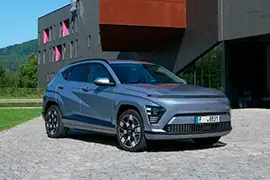
2 Hyundai Kona Electric 64.8 kWh (2024)

  • Battery: 64.8 kWh gross / ~61 kWh usable.
  • Range: 514 km / 319 mi WLTP.
  • DC charging: Up to 101 kW, 10–80% in ~41 min. FWD.

The Kona comparison is the calmest of the four. Both are Hyundai-Kia group FWD EVs at 400V with closely matched batteries, so there's less drama and more nuance. Going through the SpeakEV and Kia owners forum threads, the Kona consistently gets credit for better interior materials — the fit and finish feels tighter, the seating surfaces are more substantial at comparable trim levels. One owner who'd had both cars back-to-back mentioned the Kona's cabin felt a step more carefully assembled, even if the EV3's tech stack was clearly newer.

Where the EV3 pulls clearly ahead: DC charging speed. The Kona caps at 101 kW and needs 41 minutes for 10–80%. The EV3 Standard Range does the same in 29–31 minutes. That gap is 10–12 minutes per stop — on a day with two charging stops, that's 20 minutes of your life the EV3 gives back. The EV3's V2L capability (standard on GT-Line S), towing rating of 1,000 kg versus Kona's 750 kg, and the newer 30-inch dashboard with physical climate buttons were all cited by people who switched. One Motability customer who'd done the full comparison put it clearly: the Kona is a very good car from 2022-era technology; the EV3 is a 2024-architecture car and it shows in daily use.

How it usually breaks: Interior quality feel and longer official WLTP range → Kona. Faster DC charging, newer tech stack, better towing, V2L → EV3. Neither is the wrong call. But if you road-trip even occasionally, the 12-minute charging difference will compound quickly.

3 Skoda Elroq 60 (2024)

  • Battery: 63 kWh gross / ~59 kWh usable.
  • Range: ~420 km / ~260 mi WLTP.
  • DC charging: Up to 165 kW, 10–80% in ~24 min. RWD.

This one stays close right to the end, and I've read threads where people genuinely couldn't commit to one for weeks. The Elroq 60 is a surprisingly strong package for the money: 59 kWh usable puts it within 4 kWh of the EV3 Standard Range, rear-wheel drive gives it better handling balance than either the EV3 or Kona, and — this is the number that really catches people off-guard — 165 kW peak DC charging with 10–80% in about 24 minutes is considerably faster than the EV3's 100 kW / 31 minutes. Interior quality is also genuinely better: the Elroq's door cards and dashboard surfaces are a step above the EV3's harder plastics, and the cabin overall feels more considered. One carwow road trip test covering UK to Belgium found the Skoda maintained efficiency slightly better at motorway cruising, though the difference was within margin of real-world variation.

Where the EV3 fights back: the warranty is the single most-cited factor in owner threads for people who chose the EV3 over the Elroq. Kia's 7-year, 100,000-mile coverage versus Skoda's 3-year, 60,000-mile terms is a serious gap for anyone planning to own beyond four years. Several forum members described the warranty as the deciding factor after otherwise rating both cars equally. The EV3 is also shorter (4,300 mm vs 4,488 mm) which matters for parking in tight European city streets — not a throwaway point for urban buyers. The EV3 also has a frunk; the Elroq doesn't.

The honest split: Better interior materials, faster DC charging, slightly better driving dynamics, rear-wheel drive → Elroq 60. Industry-leading 7-year warranty, shorter body for city parking, frunk, V2L on top trim → EV3. If you keep your cars for 5+ years, the warranty gap is hard to ignore.

4 Renault Mégane E-Tech EV60 (220 hp)

  • Battery: 60 kWh usable (65 kWh gross).
  • Range: 450 km / 280 mi WLTP.
  • DC charging: Up to 130 kW. AC: 22 kW standard. FWD.

The Mégane is the one that catches people by surprise in the comparison, because it has a trick that nothing else in this class does: 22 kW AC charging as standard — not an option, not a top-trim extra, just built in. For anyone with three-phase home supply or workplace charging, that means a near-full charge overnight in about three hours rather than seven. That's a genuine daily-life advantage that doesn't show up on a spec table headline and only becomes obvious once you think through your actual charging setup. The Google-based infotainment is also genuinely good — responsive, clear, and not plagued by the early software gremlins that hit some newer platforms.

What pushes people back to the EV3: the Mégane is fundamentally a hatchback rather than a crossover — lower seating position, less headroom in the rear, no elevated driving position. For buyers who specifically want an SUV feel, it's not quite the right shape. The EV3's boot at 460 L also beats the Mégane's 440 L and considerably beats the older-generation 395 L figure that some comparison sites still quote. V2L isn't available on the Mégane at all. And the EV3's 7-year warranty versus the Renault's standard 5-year terms is a real advantage for long-term ownership. One owner who'd initially ordered a Mégane switched to the EV3 after calculating their actual AC charging situation at home — they had single-phase supply and the 22 kW advantage was irrelevant for them, which removed the Mégane's main edge.

How it usually breaks: Three-phase home or workplace charging, lower hatchback stance, Google-native infotainment → Mégane. SUV driving position, V2L, longer warranty, larger boot → EV3. The Mégane is a genuinely underrated car that's often overlooked because it doesn't look like an SUV. If the 22 kW AC advantage applies to your setup, it's a serious contender.

5 Where the EV3 Standard Range Actually Lands

Going through all of it: the EV3 Standard Range wins most cleanly when you need the best warranty in class, genuinely useful passenger and boot space, V2L capability, and a good-enough DC charging speed for regular road trips. It loses when someone needs rear-wheel drive dynamics (Elroq, EX30), a premium interior feel (Elroq, Kona), or the 22 kW AC charging trick that only the Mégane offers as standard. The buyers who second-guess their EV3 purchase are almost always the ones who prioritised one of those things more than they initially admitted. Everyone else settles into it quickly — and stops thinking about what they almost bought.

Back to contents

Frequently Asked Questions FAQ about the Kia EV3 Standard Range (2026) 58.3 kWh NMC Battery, Range, Specs

Kia EV3 Specs, Owner Manual & Official Resources

Every number on this page traces back to one of the sources below. Official Kia documents for specs and technical data; owner communities for real-world experience that the press kit doesn't cover.

Official Kia Sources

Owner Communities & Forums

  • Kia Owners Club UK — EV3 main thread — the largest UK Kia community; real-world range, charging experience, and ownership feedback from delivery day onward.
  • Speak EV — EV3 subforum — active UK and European EV community with a dedicated EV3 section; charging data, issues, and long-term ownership reports.
  • Kia EV Forums — EV3 subforum — international community covering all Kia EVs; technical threads, spec comparisons, and charging discussion.
  • KiaEV3.forum — dedicated EV3 forum: buying guides, faults, technical questions, photos, and owner marketplace.
  • KiaEV3forums.com — global EV3 owner community; regional ownership experience and tech discussions.
  • Reddit — r/KiaEV3 — growing owner community; accessories, real-world efficiency reports, charging curve data, and first-year ownership summaries.
  • EV3-Forum.de — German-language dedicated EV3 community; winter range data, charging behaviour, and European ownership experience.

Where Kia doesn't publish exact numbers — usable battery capacity, real-world charging curves, cold-weather efficiency — I use owner reports and community data cross-referenced across multiple sources. Anything not from an official source is flagged as an estimate.

Back to Contents

About This Page

Specs and real-world data for the 2025 Kia EV3 Standard Range — pulled from official Kia materials, press kits, owner forums, and independent tests. One place with accurate numbers, no marketing copy.

Author

I'm Alex. EVs have been a hobby for years — not as a journalist, just someone who finds this space genuinely interesting. I go through official releases, dig into owner threads, watch real-world tests, and bring the most accurate data into one place. If something's wrong, there's a contact link at the bottom of the page.

Last Updated

March 2026

Sources: official Kia materials, open public data, owner reports. Current as of the date above. Use as a reference — verify anything critical before acting on it.

About This Page

Specs and real-world data for the Kia EV3 Standard Range — pulled from official materials, press kits, owner forums, and independent tests. One place with accurate numbers, no marketing copy.

Author

I'm Alex. EVs have been a hobby for years — not as a journalist, just someone who finds this space genuinely interesting. I go through official releases, dig into owner threads, watch real-world tests, and bring the most accurate data into one place. If something's wrong, there's a contact link at the bottom of the page.

Last Updated

March 2026

Sources: official Kia materials, open public data, owner reports. Current as of the date above. Use as a reference — verify anything critical before acting on it.

About EVspecsHub

EVspecsHub is a non-profit informational platform dedicated to providing free electric vehicle specifications. Any future ads will support hosting and maintenance costs to keep our content accessible.

Scroll to Top