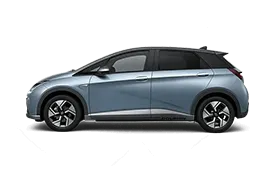
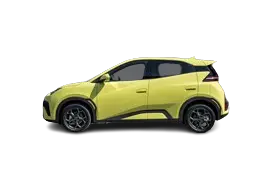
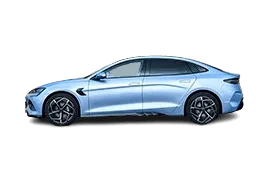
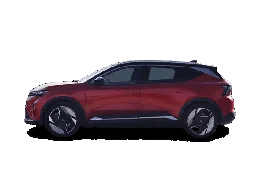
⚠️ Common Issues with Used BYD Dolphin
🚗 First Generation (2021 - Present)
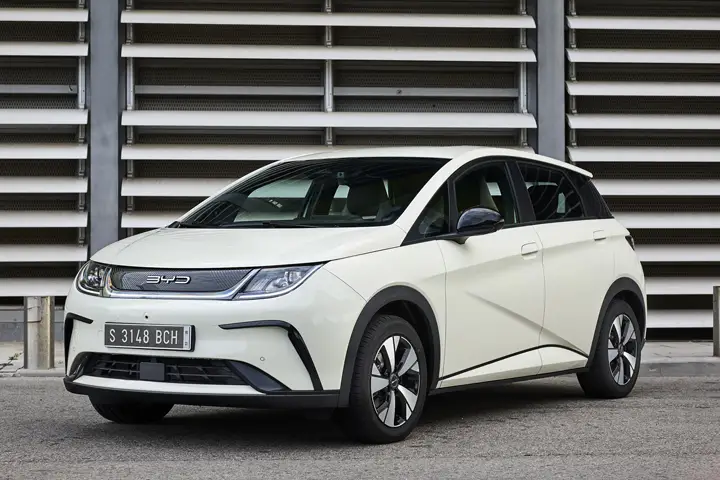
The BYD Dolphin is generally seen as a reliable and value-for-money EV, but community forums and owner reports point to some recurring issues. Most of these problems are related to software and the refinement of its driver-assist systems rather than its core mechanical or battery components.
💾 Software and Connectivity Glitches
Owners have reported several software-related issues, including a sudden loss of power that puts the car into "turtle mode," random triggering of alarms, and frustrating connectivity problems with Android Auto. The child presence detection system can also mistakenly trigger alarms.
Community Solutions: The most common advice is to perform a hard reset of the system, which can sometimes resolve minor glitches. For persistent issues, a visit to the dealership for a firmware update is often necessary. Some owners have found that simply relocking and unlocking the car can temporarily fix the random alarm triggers.
⚠️ Overly Intrusive Safety Systems
The Dolphin's driver-assist features, such as lane-keep assist and adaptive cruise control, are often described as poorly calibrated and overly intrusive. Owners report the car "fighting" them for control, making steering adjustments to stay in the lane, or even applying sudden, unexpected braking in response to nearby vehicles. This can be alarming and lead to a less-than-smooth driving experience.
Community Solutions: Many owners opt to manually disable these systems at the beginning of each drive, as they do not stay off by default. Some forum members have discovered that placing the car in "sport mode" can reduce the aggressiveness of the lane-assist feedback. Drivers recommend regular software updates from the dealership to improve the calibration of these systems.
🔋 12V Auxiliary Battery Issues
Similar to many other EVs, the 12V auxiliary battery on the Dolphin can fail prematurely, leaving the car completely immobilized. This is particularly frustrating for new car owners.
Community Solutions: The community suggests ensuring the car is always locked when not in use, even when stored in a garage. BYD EVs use power from the main high-voltage battery to recharge the 12V battery when the car is locked and idle. Leaving it unlocked can prevent this charging process. Some owners have also learned how to "wake up" the car by pressing a micro-switch on the driver's door handle multiple times to re-engage the 12V system.
⚙️ Mechanical and Suspension Quirks
While the suspension is generally fine for urban driving, some owners find the ride to be on the "stiff" side, which can make bumpy roads uncomfortable. There have also been isolated reports from the Brazilian market of a structural weakness in the front suspension arms on the Dolphin Mini (Seagull), leading to fractures.
Community Solutions: For a bumpy ride, some owners have considered replacing the shock absorbers with aftermarket options to improve comfort. For the reported suspension arm issue, owners in affected regions have resorted to replacing the part themselves with a compatible component from another vehicle, like the Toyota Corolla, due to a lack of replacement parts from the manufacturer.
🌬️ HVAC Odor and Particle Issues
Early models in certain regions faced issues with white powder-like particles floating out of the air conditioning vents, leading to widespread complaints.
Community Solutions: BYD has officially acknowledged this issue, stating the powder is a harmless byproduct of the air conditioning system and can be resolved by cleaning the system. They have offered free inspections and replacement of the evaporator assembly for concerned customers, and later models have not had this problem.
🔍 Conclusion
The BYD Dolphin's reliability is a mixed bag, with its core drivetrain and LFP "Blade" battery being praised for their durability. However, the car's user experience is often marred by software bugs, an intrusive ADAS, and some mechanical quirks. The key for prospective buyers is to be aware of these issues and to ensure the vehicle has the latest firmware updates. The BYD owner community is active and a great source for workarounds and DIY fixes, which helps to mitigate many of the common annoyances.
* Disclaimer: The information presented here is compiled from owner discussions in online communities, forums, and various open public sources. The accuracy, completeness, and reliability of this data cannot be guaranteed, and it should be used for informational purposes only.