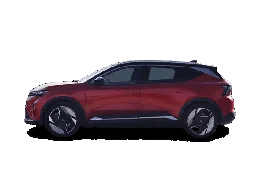
Common Issues and Problems with the Used BYD Han EV
First Generation (2020 - Present)
Drive Battery Degradation Problems
Owners of the BYD Han EV have reported drive battery issues over time, particularly related to gradual capacity loss. While the Blade Battery is known for its durability, some users in forums have noted range reduction problems after several years of use. These faults are not catastrophic but can affect long-distance usability and resale value.
Common Solutions: Regular software updates from BYD help optimize battery management. Ensuring that the vehicle has the latest BMS (Battery Management System) firmware is important. Owners also recommend avoiding frequent 100% charges and maintaining balanced charging habits to minimize weaknesses in long-term capacity.
12V Auxiliary Battery Issues
Similar to other EVs, the BYD Han EV has experienced 12V battery problems. Reports from communities mention sudden failures of the auxiliary battery, which can lead to a complete inability to start the car or activate systems. This weakness is often linked to the charging logic of the 12V system.
Common Solutions: Dealers typically replace the 12V battery under warranty if faults occur. Some owners recommend preventive replacement after 2-3 years. Ensuring the car receives the latest software updates for the charging system can reduce the likelihood of failures.
Charging Port & Onboard Charger Problems
Several owners have reported charging issues with the Han EV, including inconsistent DC fast charging speeds and occasional AC charging faults. Problems include the car not initiating charging, charging interruptions, or slower-than-expected charging rates. These issues are often influenced by temperature management of the charging system.
Common Solutions: BYD has released software updates to improve charging stability. Service centers can diagnose onboard charger faults and replace defective components if necessary. Owners also recommend checking charging cables and ensuring the charging port is clean and free of debris.
Infotainment & Software Glitches Problems
As a technology-heavy vehicle, the Han EV is prone to infotainment issues and software glitches. Owners have reported problems such as the central screen freezing, navigation errors, and Bluetooth connection failures. While these faults are not safety-critical, they are a known weakness that affects user experience.
Common Solutions: Most of these problems are resolved through over-the-air (OTA) updates or dealer-installed software patches. A system reset can temporarily fix glitches. Ensuring the car runs the latest software version is the best way to minimize these issues.
Suspension & Noise Issues
Some drivers have reported suspension problems such as squeaking or creaking noises when driving over uneven roads. While not a structural fault, these noises are a recurring weakness mentioned in owner forums and can affect comfort.
Common Solutions: Dealers typically lubricate or replace affected suspension components under warranty. Regular maintenance checks help identify and resolve these issues early.
Conclusion
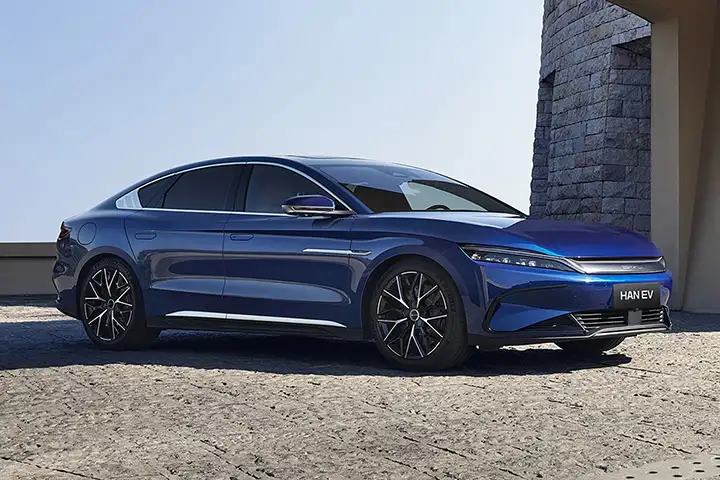
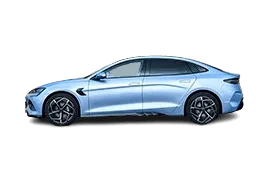
The BYD Han EV is a technologically advanced electric sedan, but like any vehicle, it has its share of issues and problems. The most significant concerns involve 12V battery failures and charging system faults, while other weaknesses such as infotainment glitches and suspension noises are less critical. For any used Han EV, it is essential to verify that all software updates and service campaigns have been applied. With proper maintenance and awareness of these common faults, the Han EV remains a strong option in the premium EV market.
* Disclaimer: The information presented here is compiled from owner discussions in online communities, forums, and various open public sources. The accuracy, completeness, and reliability of this data cannot be guaranteed, and it should be used for informational purposes only.