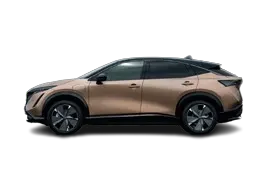
Common Issues and Problems with the Used Nissan Ariya
First Generation (2022 - Present)
Sudden Loss of Drive Power Failures
One of the most serious safety issues reported for the Nissan Ariya, particularly for 2023 models, is the potential for a sudden loss of motive power while driving. This major functional failure is typically linked to the inverter software, which may misdiagnose a current anomaly in the motor system (e.g., from conductive shavings or an oil leak affecting seals) as a critical error. The system's fail-safe protocol is then triggered, cutting torque to the driven wheels and displaying an "EV System Off" message. This can be a significant hazard on the highway.
Common Solutions: Nissan has issued multiple recalls to address this drivetrain weakness. The primary fix involves a dealer visit to reprogram the inverter software to prevent the false error detection. For some affected vehicles, a motor assembly replacement may be necessary due to seal damage or internal issues. It is absolutely essential to verify that all related safety recalls have been completed before purchasing any used Ariya.
12V Auxiliary Battery Drain Issues
A common complaint, especially in early 2022 Ariya models, is the rapid draining or failure of the standard 12V auxiliary battery. While the main battery powers the drive motors, the 12V battery is crucial for all low-voltage systems, including booting up the vehicle's computer, infotainment, and initiating the "start" sequence. If this battery drains, the vehicle can become completely unresponsive and unable to start or "wake up."
Common Solutions: This fault is often related to software bugs or communication errors that fail to correctly maintain the 12V battery's charge. Nissan dealers typically address this with software patches and system checks to ensure proper energy management. In some cases, replacing the 12V battery itself is required if it has been deeply discharged too many times.
Infotainment and Software Glitches Problems
Owners frequently cite problems and weaknesses within the car's Android-based digital systems. The Ariya’s infotainment system is prone to freezing, lagging, rebooting unexpectedly, or displaying a black screen, particularly after a cold start or during GPS navigation use. Furthermore, some users have reported unreliable over-the-air (OTA) update processes that may fail or get stuck, sometimes causing features to disappear temporarily.
Common Solutions: Most display and software weaknesses are resolved via dealer-installed software updates (as OTA functionality can be inconsistent). A temporary fix involves a simple soft reset of the system. Ensuring the vehicle has the latest firmware installed is the best defense against these frustrating operational issues.
Inconsistent DC Fast Charging Speeds Issues
While the Ariya's DC fast charging rate of up to 130 kW is considered average for its class, many owners report that achieving and sustaining this rate is difficult. The car is known for a conservative charging curve, and charging speeds can become inconsistent or unexpectedly slow at public stations. This fault can be caused by communication errors with the charger or problems with the onboard charging system.
Common Solutions: If the charging fault is not external (e.g., a faulty public station), the cause is often a bug in the vehicle’s onboard charging communication software or a faulty charge port lock. A dealer inspection and software update can often resolve intermittent charging issues. Verify the vehicle's service history for any charging system updates.
Conclusion
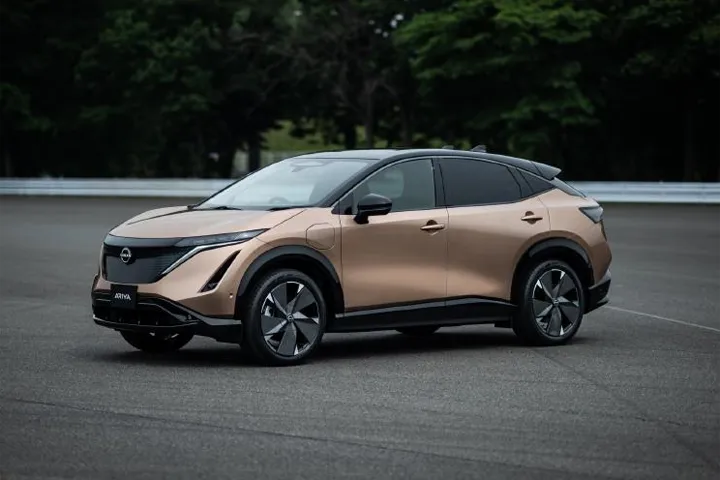
The Nissan Ariya is a stylish, comfortable EV, but early production models have shown several critical failures and common issues, largely centered around its software and electrical architecture. The most significant concern for potential used buyers is the safety-critical loss of drive power and steering component recalls that affected early VINs. Before any purchase, it is mandatory to verify with a Nissan dealership that all safety recalls (including those for the inverter software and any component issues) have been completed. While minor glitches like slow infotainment and 12V battery drain are common EV problems, they are less critical than the drivetrain-related safety weaknesses addressed by Nissan's corrective actions.
* Disclaimer: The information presented here is compiled from owner discussions in online communities, forums, and various open public sources. The accuracy, completeness, and reliability of this data cannot be guaranteed, and it should be used for informational purposes only.