EVspecsHub.com EVspecsHub

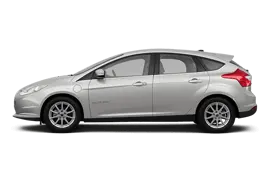
2017 Ford Focus Electric 33.5 kWh 33.5 kWh 143 hp Battery, Horsepower, Range

The updated Ford Focus Electric 33.5 kWh significantly improved range with a 33.5 kWh gross battery capacity (battery size). This late model offers an improved estimated EPA range of 185 km (115 mi), featuring a Lithium-ion Cylindrical 18650 (LG Chem) battery type for better performance.

Used Volkswagen e-Golf Problems and Fixes (2013 – 2020).

Used Volkswagen e-Golf Problems and Fixes (2013 – 2020).

TESLA FORD HONDA CHEVROLET RIVIAN HYUNDAI KIA LUCID VOLKSWAGEN SKODA AUDI BMW MERCEDES RENAULT VOLVO PEUGEOT BYD XIAOMI TOYOTA NISSAN…
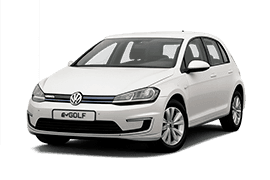
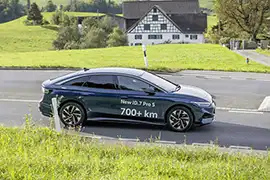
Volkswagen ID.7 Pro S — 794 km on one charge with max Battery

Volkswagen ID.7 Pro S — 794 km on one charge…

Volkswagen ID.7 Pro S — 794 km on one charge TESLA FORD HONDA CHEVROLET RIVIAN HYUNDAI KIA LUCID VOLKSWAGEN SKODA…
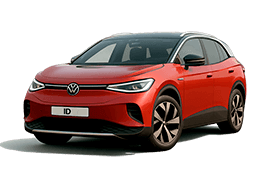
Volkswagen ID.4: American vs. European Versions, Key Differences

Volkswagen ID.4: American vs. European Versions, Key Differences

The Volkswagen ID.4 has become a significant player in the electric SUV market, but it’s important to understand that the…
POPULAR cars…

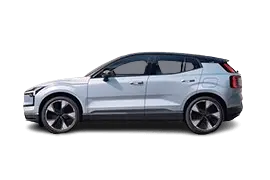
Side profile of Volvo EX30 electric SUV, showing 2,650 mm wheelbase, coupe-like roofline, and clean body lines
EX30 (2023-pr.)
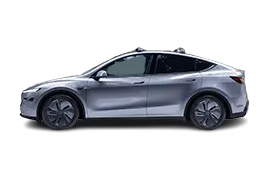
2025 Tesla Model Y Performance with dual motors, 0–100 km/h in 3.5 seconds, and long‑range battery
Model Y (2025-pr.)
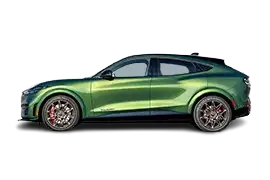
Side profile of the Ford Mustang Mach-E, showing its aerodynamic body, coupe-like roofline, and EV styling cues
Mustang Mach-E (2020-pr.)
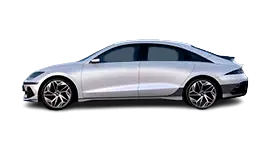
Side profile of the Hyundai Ioniq 6 illustrating its unique curved, streamliner silhouette and long 2950mm wheelbase on the E-GMP platform.
IONIQ 6 (2023-pr.)
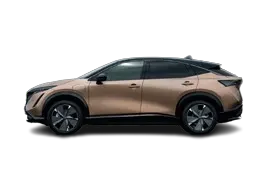
Side profile of the Nissan Ariya electric crossover, emphasizing its sleek, coupe-like silhouette, sloped roofline, and prominent wheel arches, optimized for efficiency and performance.
Ariya (2024-pr.)
Volkswagen ID.7 Tourer side profile with 2,971 mm wheelbase, 86 kWh battery, and 200 kW fast charging.
ID.7 Tourer (2024-pr.)
Tesla Model 3 side profile showing sleek body lines and alloy wheels
Model 3 (2023-pr.)
Kia EV3 side view compact electric SUV dimensions and profile
EX30 (2023-pr.)

Ford Focus Electric

33.5 kWh |  2017–2018

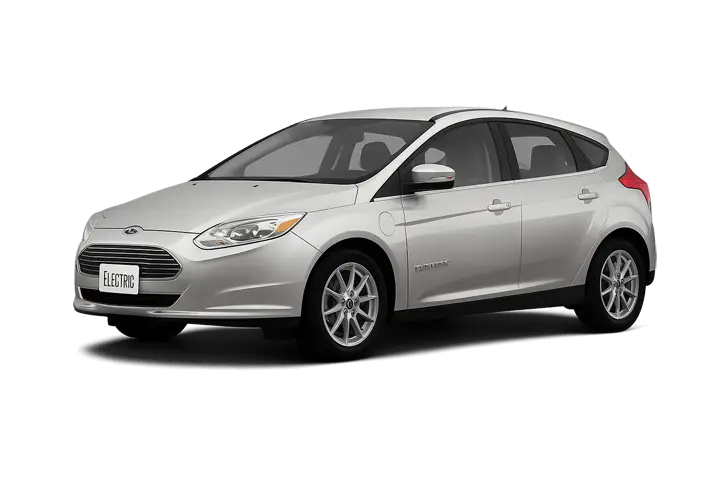
Front view of the Ford Focus Electric (2017 model year shown), featuring the distinctive closed grille and unique lighting elements that distinguish it from the gasoline Focus, highlighting its 107 kW motor and 33.5 kWh battery pack.
Ford Focus Electric
battery capacity
Capacity
range –
Range
power output
Power
acceleration
Acceleration
34 kWh
185 km

107 kW

11.4 s

Technical Data & Performance

Model Years2017–2018
Trim (Variant)Focus Electric - 33.5 kWh
Power (Horsepower)107 kW (143 hp)
Top Speed137 km/h (85 mph)
Torque250 Nm (184 lb-ft)
Acceleration11.4 sec (0–100 km/h)
11.4 sec (0–62 mph)
DriveFWD Front-wheel drive
Motor detailsSingle (Front PMSM) | Ford (Developed in cooperation with Magna International)
Motor codeKDDA

Battery & Charging

Battery Capacity & Size31.5 kWh usable,
33.5 kWh gross
Max Range185 km (115 mi) / EPA
225 km (140 mi) / NEDC
Consumption17.2 kWh/100 km
Battery TypeLithium-ion
Cell Format / SupplierCylindrical 18650 | LG Chem
Battery Voltage350 V
Electrical Architecture400 V
V2L SupportedNo
Heat pumpNo
AC Home ChargingType2 / 1-phase - 6.6 kW (Max Power)
Type2 / 3-phase - 6.6 kW (Max Power)
DC Fast ChargingCCS2, 50 kW (Max Power)
28 min. (10–80%)

Dimensions & Body

Type5 door, Hatchback
Seating capacity5
ClassC-Segment (Compact Car)
Length4392 mm (172.9 in)
Width1824 mm (71.8 in)
Height1478 mm (58.2 in)
Wheelbase2649 mm (104.3 in)
Ground Clearance140 mm (5.5 in)
Curb weight1651 kg (3640 lb)
Gross weight2085 kg (4597 lb)
Trunk Volume237 L (8.4 ft³)
930 L (33 ft³) max
TowingNot Supported
Drag Coefficient0.3
PlatformFocus Mk3 (C346) | Ford Global C‑Car
Estimated Market Price
* for reference only
EUR 31,000 / USD 33,900

⚠️ Please note: actual vehicle specifications may vary depending on market, trim level, or available regional packages.

Side profile of the Ford Mustang Mach-E, showing its aerodynamic body, coupe-like roofline, and EV styling cues
Mustang Mach-E (2020-pr.)
2025 Ford Explorer EV side profile — aerodynamic European electric SUV highlighting sleek body lines, flush door handles and large alloy wheels
Explorer EV (2024-pr.)
Ford Capri electric SUV side profile showing aerodynamic design
Capri EV (2024-pr.)
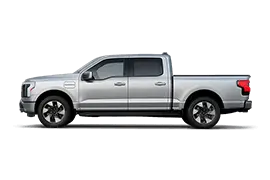
ALT: Ford F-150 Lightning electric truck side profile, demonstrating its full-size dimensions and functional bed.
F-150 Lightning (2022-pr.)
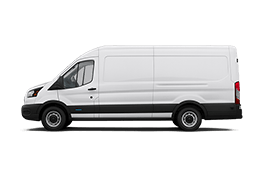
Ford E Transit Cargo Van 180
E-Transit Cargo 350 (2022-pr.)
Ford E Transit Passenger Van 180
E-Transit Passenger Van 350 (2022-pr.)
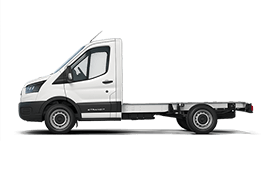
Ford E Transit Classic Cab 180
E-Transit Chassis Cab 350 (2022-pr.)
Side profile of the Ford Focus Electric compact car, emphasizing its hatchback body style and standard charging port location, a vehicle known for its Global C-Car Platform and limited 115-mile range.
Focus Electric (2011-2018)

The Electric Journey of the Ford Focus Electric: Specs and Upgrades


Initial Model (2012–2016): The Pioneering EV

The Ford Focus Electric was Ford’s first all-electric passenger vehicle, created as a “compliance car” built on the popular third-generation Focus chassis. It was a key early player in the compact EV segment in the US and Europe.

  • Powertrain & Performance:
    • Single Front-Mounted Motor (FWD) with a fixed gear ratio.
    • Output: 107 kW (143 hp) and 245 Nm (181 lb-ft) of torque.
  • Battery & Range:
    • Battery Capacity (Nominal/Usable): 23 kWh / 19.6 kWh Lithium-ion pack.
    • EPA Range: 76 miles (122 km).
    • Interesting Fact: The battery pack’s split configuration—partially under the rear seats and partially behind them—significantly reduced the cargo area compared to the standard Focus.
  • Charging:
    • Max AC Charging Power: 6.6 kW (Onboard Charger Limit).
    • DC Fast Charging: Not Available on this initial model for most markets, relying solely on AC charging.

2017: Major Battery & Charging Upgrade

For the 2017 model year, Ford introduced the only major technical revision, making the Focus Electric a much more competitive vehicle, especially with the addition of a crucial charging standard.

  • Battery & Range:
    • New, Larger Battery: Capacity increased to 33.5 kWh (Nominal) / 31.8 kWh (Usable).
    • New EPA Range: Improved to 115 miles (185 km).
  • Charging:
    • DC Fast Charging: Introduced Standard CCS (Combined Charging System) capability.
    • Max DC Charging Power: Up to 50 kW, significantly reducing charge times compared to the earlier model.
    • Tech Fact: This upgrade positioned the late-model Focus Electric to better compete with rivals like the Chevy Bolt, offering more flexible charging for early EV drivers.
  • Efficiency:
    • Power remained consistent at 107 kW (143 hp).
    • Curb Weight: Increased slightly to 1651 kg (3640 lbs) due to the larger battery pack.
  • End of Production:
    • The model’s production ended in May 2018 as Ford shifted focus to larger electric vehicles like the Mustang Mach-E, marking the end of the electric Focus era.

POPULAR cars…

2025 Tesla Model Y Performance with dual motors, 0–100 km/h in 3.5 seconds, and long‑range battery
Model Y (2025-pr.)
Side profile of the Ford Mustang Mach-E, showing its aerodynamic body, coupe-like roofline, and EV styling cues
Mustang Mach-E (2020-pr.)
Side profile of the Hyundai Ioniq 6 illustrating its unique curved, streamliner silhouette and long 2950mm wheelbase on the E-GMP platform.
IONIQ 6 (2023-pr.)
Side profile of the Nissan Ariya electric crossover, emphasizing its sleek, coupe-like silhouette, sloped roofline, and prominent wheel arches, optimized for efficiency and performance.
Ariya (2022-pr.)
Renault Scenic E-Tech profile view showcasing vehicle dimensions, wheel design, and aerodynamics.
Scenic E-Tech (2023-pr.)
Volkswagen ID.7 Tourer side profile with 2,971 mm wheelbase, 86 kWh battery, and 200 kW fast charging.
ID.7 Tourer (2024-pr.)
Tesla Model 3 side profile showing sleek body lines and alloy wheels
Model 3 (2023-pr.)
Side profile of Volvo EX30 electric SUV, showing 2,650 mm wheelbase, coupe-like roofline, and clean body lines
EX30 (2023-pr.)

Common Issues and Problems with the Used Ford Focus Electric (2012 - 2018)


Main Reliability Concerns

High-Voltage Battery Degradation

The biggest long-term problem with the Ford Focus Electric, especially the 2012-2016 models, is rapid battery degradation. Early cars lacked effective thermal management, leading to faster capacity loss in hot climates. Owners of 23 kWh versions often report real-world range dropping far below the original 76 miles (122 km) EPA rating within a few years.

Tip for Buyers: Later 2017-2018 models with the 33.5 kWh battery show better longevity. Always check the State of Health (SOH) with diagnostic tools (e.g., FORScan) and confirm remaining 8-year/100,000-mile warranty coverage.

12V Auxiliary Battery Failures

A common electrical issue is sudden failure of the 12V battery, which powers all low-voltage systems and enables the high-voltage pack. A dead 12V leaves the car immobile and unable to charge. Causes include parasitic drain or software glitches in the Body Control Module (BCM).

Solutions: Replacement with a stronger AGM battery improves reliability. In recurring cases, dealers apply a software update to fix charging logic.

Charging Cable Recall & Port Issues

In 2018 Ford recalled the original 120V Level 1 charging cables (2012 - 2015) due to overheating risks. Buyers should confirm the car has the updated cable with a built-in thermistor. Some owners also report Onboard Charger (OBC) or J1772 port failures, requiring professional replacement.

Other Reported Problems

  • Power Steering (EPAS) Failure: Some owners experienced sudden loss of steering assist, linked to electronic faults.
  • HVAC / A/C Issues: Complaints about weak or failing air conditioning, often tied to high-voltage compressor faults.
  • Software Glitches: Occasional infotainment freezes and charging interruptions reported in forums.

Conclusion

The Ford Focus Electric can be a good value used EV, but buyers must be aware of its battery degradation, 12V failures, and charging cable recall. To minimize risk:

  1. Choose a 2017-2018 model with the larger battery and CCS fast charging.
  2. Verify recall fixes and updated charging cable.
  3. Check SOH of the high-voltage battery before purchase.

* Disclaimer: The information presented here is compiled from owner discussions in online communities, forums, and various open public sources. The accuracy, completeness, and reliability of this data cannot be guaranteed, and it should be used for informational purposes only.

Frequently Asked Questions FAQ about the Ford Focus Electric 33.5 kWh | Range, Battery size, type, capacity

About EVspecsHub

EVspecsHub is a non-profit informational platform dedicated to providing free electric vehicle specifications. Any future ads will support hosting and maintenance costs to keep our content accessible.

Scroll to Top