EVspecsHub.com EVspecsHub

2021 Chevrolet Bolt EV 66 kWh 66 kWh 200 hp Battery, Horsepower, Range

The facelifted Chevrolet Bolt EV (2022–2023), offered in 1LT and 2LT trims, continued with the 66 kWh battery pack, delivering an EPA-estimated range of 417 km (259 mi). It retained the 150 kW (200 hp) motor and upgraded 11.5 kW AC charging capability. Ground clearance was listed at 135 mm (5.3 in), slightly higher than earlier figures, enhancing practicality for everyday driving.

Used Volkswagen e-Golf Problems and Fixes (2013 – 2020).

Used Volkswagen e-Golf Problems and Fixes (2013 – 2020).

TESLA FORD HONDA CHEVROLET RIVIAN HYUNDAI KIA LUCID VOLKSWAGEN SKODA AUDI BMW MERCEDES RENAULT VOLVO PEUGEOT BYD XIAOMI TOYOTA NISSAN…

Volkswagen ID.7 Pro S — 794 km on one charge with max Battery

Volkswagen ID.7 Pro S — 794 km on one charge…

Volkswagen ID.7 Pro S — 794 km on one charge TESLA FORD HONDA CHEVROLET RIVIAN HYUNDAI KIA LUCID VOLKSWAGEN SKODA…
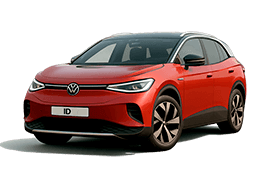
Volkswagen ID.4: American vs. European Versions, Key Differences

Volkswagen ID.4: American vs. European Versions, Key Differences

The Volkswagen ID.4 has become a significant player in the electric SUV market, but it’s important to understand that the…
POPULAR cars…

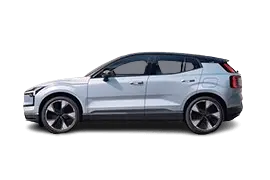
Side profile of Volvo EX30 electric SUV, showing 2,650 mm wheelbase, coupe-like roofline, and clean body lines
EX30 (2023-pr.)
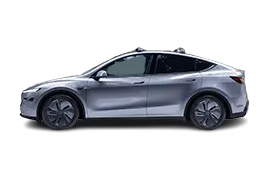
2025 Tesla Model Y Performance with dual motors, 0–100 km/h in 3.5 seconds, and long‑range battery
Model Y (2025-pr.)
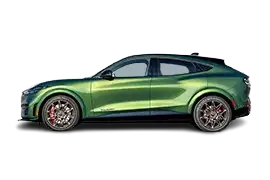
Side profile of the Ford Mustang Mach-E, showing its aerodynamic body, coupe-like roofline, and EV styling cues
Mustang Mach-E (2020-pr.)
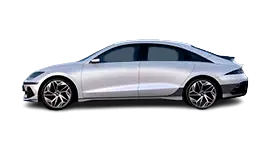
Side profile of the Hyundai Ioniq 6 illustrating its unique curved, streamliner silhouette and long 2950mm wheelbase on the E-GMP platform.
IONIQ 6 (2023-pr.)
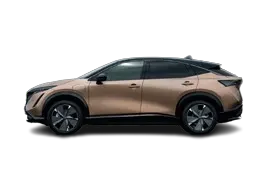
Side profile of the Nissan Ariya electric crossover, emphasizing its sleek, coupe-like silhouette, sloped roofline, and prominent wheel arches, optimized for efficiency and performance.
Ariya (2024-pr.)
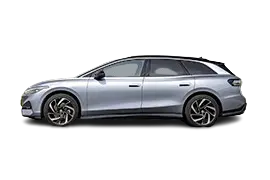
Volkswagen ID.7 Tourer side profile with 2,971 mm wheelbase, 86 kWh battery, and 200 kW fast charging.
ID.7 Tourer (2024-pr.)
Tesla Model 3 side profile showing sleek body lines and alloy wheels
Model 3 (2023-pr.)
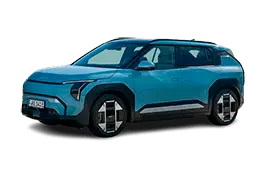
Kia EV3 side view compact electric SUV dimensions and profile
EX30 (2023-pr.)

Chevrolet Bolt EV

66 kWh |  2021–2023

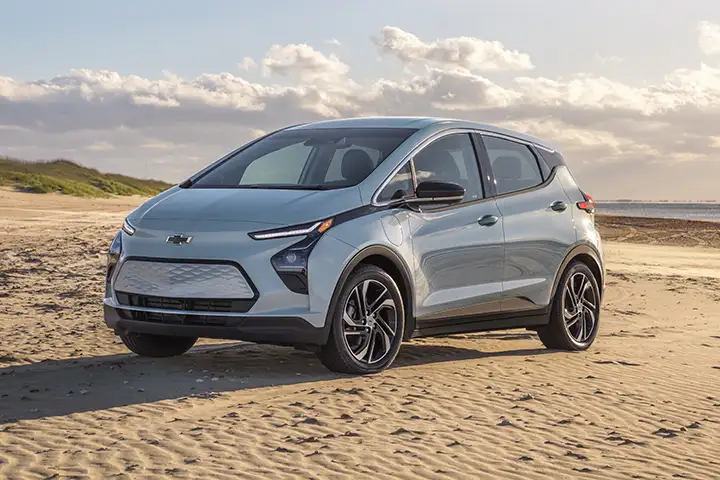
Chevrolet Bolt EV 66 kWh (2022–2023) featured image, a facelifted long-range electric hatchback with modern interior tech, 150 kW FWD motor, and practical EV mobility.
Chevrolet Bolt EV (2022–2023)
battery capacity
Capacity
range –
Range
power output
Power
acceleration
Acceleration
66 kWh
417 km

150 kW

7.0 s

Technical Data & Performance

Model Years2021–2023
Trim (Variant)Bolt EV - 66 kWh
Power (Horsepower)150 kW (200 hp)
Top Speed145 km/h (90 mph)
Torque360 Nm (266 lb-ft)
Acceleration7.0 sec (0–100 km/h)
7.0 sec (0–62 mph)
DriveFWD Front-wheel drive
Motor detailsAC Synchronous Permanent Magnet Motor | General Motors (GM)
Motor code5ET50 (MU1)

Battery & Charging

Battery Capacity & Size61 kWh usable,
66 kWh gross
Max Range417 km (259 mi) / EPA
Consumption17.7 kWh/100 km
Battery TypeNickel-Rich Lithium-ion (Updated NMC type)
Cell Format / SupplierPouch | LG Chem (LG Energy Solution)
Battery Voltage350 V
Electrical Architecture400 V
Battery UpdatesThe battery is identical to the 2020-2021 model; including the updated chemistry and structure.
V2L SupportedNo
Heat pumpNo
AC Home ChargingUS: Type1 / 1-phase - 11.5 kW (Max Power)
DC Fast ChargingUS: CCS1, 50 kW (Max Power)
60 min. (10–80%)
Charging UpdatesMax 1ph: 11.5 kW (from 2022 MY). DC Fast Charge: Up to 90 miles in 30 minutes

Dimensions & Body

Type5 door, Hatchback
Seating capacity5
ClassSubcompact Car (U.S.) | B‑segment hatchback (EU)
Length4145 mm (163.2 in)
Width1765 mm (69.5 in)
Height1610 mm (63.4 in)
Wheelbase2600 mm (102.4 in)
Ground Clearance135 mm (5.3 in)
Curb weight1669 kg (3680 lb)
Gross weight2120 kg (4675 lb)
Trunk Volume478 L (16.9 ft³)
1603 L (56.6 ft³) max
TowingNot Supported
Drag Coefficient0.31
PlatformBEV2 | General Motors
Estimated Market Price
* for reference only
USD 36,500

⚠️ Please note: actual vehicle specifications may vary depending on market, trim level, or available regional packages.

Side profile of the Chevrolet Blazer EV 2025 mid‑size electric crossover, showing sporty roofline, 121.8‑inch wheelbase, and FWD, RWD, AWD options.
Blazer EV (2023-pr.)
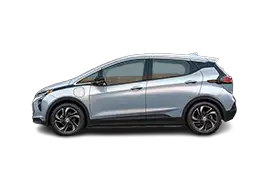
Side profile of the Chevrolet Bolt EV 66 kWh (2022–2023), highlighting compact dimensions, updated design, and long-range capability with EPA-estimated 259 miles of range.
Bolt EV (2021-2023)
Chevrolet Bolt Euv 2021 180
Bolt EUV (2021-2023)
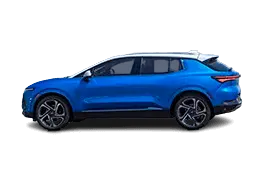
Chevrolet Equinox EV side profile, electric crossover SUV with 2954 mm wheelbase, two-tone roof, 85 kWh Ultium battery, 319 miles EPA.
Equinox EV (2024-pr.)
Side profile of the Chevrolet Silverado EV RST or Trail Boss trim, highlighting long 145.7-inch wheelbase, crew cab design, adaptive air suspension, and 493-mile EPA range.
Silverado EV (2023-pr.)
Chevrolet Spark Ev 2013 180
Spark EV (2013-2017)

The Evolution of the Chevrolet Bolt EV: Key Changes and Specifications

Generation I: Chevrolet Bolt EV (2017–2021)

  • Models & Motors:
    • Bolt EV (LT, Premier trims): Single electric motor (Front-Wheel Drive) with 150 kW (200 hp) and 360 Nm (266 lb-ft) of torque.
  • Battery & Range:
    • 2017–2019 Model Years: Battery capacity 60 kWh (gross). EPA-estimated all-electric range of 238 miles (383 km).
    • 2020 Model Year: Battery chemistry modification increased the capacity to 66 kWh. EPA-estimated range improved to 259 miles (417 km).
  • Charging:
    • AC Charging: Standard 7.2 kW on-board charger (Level 2).
    • DC Fast Charging: Optional, max output around 50–55 kW (CCS Combo 1 plug).
  • Highlights: The Bolt EV was the first affordable long-range EV in North America, winning the 2017 North American Car of the Year. GM emphasized its spacious interior (93.9 ft³ passenger volume) and hatchback practicality, making it a breakthrough in the EV market.

Facelift (2022–2023)

  • Models & Motors:
    • Bolt EV (1LT, 2LT trims): Continued with the same 150 kW (200 hp) / 360 Nm drivetrain.
  • Battery & Range:
    • Retained the updated 66 kWh pack.
    • Bolt EV EPA Range: 259 miles (417 km).
  • Technical Upgrades:
    • Design: Significant exterior and interior refresh, including a new front fascia and modern cabin.
    • Interior Tech: Standard 10.2-inch infotainment touchscreen and 8-inch digital driver display.
    • AC Charging: Maximum Level 2 AC charging rate increased to 11.5 kW (from 2022 MY), reducing home charging time to ~7 hours.
  • Highlights: Despite the facelift, DC fast charging remained limited to 55 kW.
  • MSRP (U.S.): Dropped to $31,500 in 2022 and $25,600 in 2023, making the Bolt EV one of the most affordable long-range EVs in the U.S. market.

POPULAR cars…

2025 Tesla Model Y Performance with dual motors, 0–100 km/h in 3.5 seconds, and long‑range battery
Model Y (2025-pr.)
Side profile of the Ford Mustang Mach-E, showing its aerodynamic body, coupe-like roofline, and EV styling cues
Mustang Mach-E (2020-pr.)
Side profile of the Hyundai Ioniq 6 illustrating its unique curved, streamliner silhouette and long 2950mm wheelbase on the E-GMP platform.
IONIQ 6 (2023-pr.)
Side profile of the Nissan Ariya electric crossover, emphasizing its sleek, coupe-like silhouette, sloped roofline, and prominent wheel arches, optimized for efficiency and performance.
Ariya (2022-pr.)
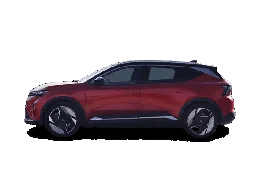
Renault Scenic E-Tech profile view showcasing vehicle dimensions, wheel design, and aerodynamics.
Scenic E-Tech (2023-pr.)
Volkswagen ID.7 Tourer side profile with 2,971 mm wheelbase, 86 kWh battery, and 200 kW fast charging.
ID.7 Tourer (2024-pr.)
Tesla Model 3 side profile showing sleek body lines and alloy wheels
Model 3 (2023-pr.)
Side profile of Volvo EX30 electric SUV, showing 2,650 mm wheelbase, coupe-like roofline, and clean body lines
EX30 (2023-pr.)

Common Issues and Problems with the Used Chevrolet Bolt EV


First Generation (Bolt EV: 2017 - 2023)

Drive Battery Failure & Safety Recall

The most significant issue for early Chevrolet Bolt EV models (2017 - 2022) was the high-voltage drive battery. Manufacturing defects in LG cells (torn anode tabs, folded separators) created a risk of thermal events. GM launched a massive recall (N212345990), replacing battery modules with updated chemistry and improved quality control.

Buyer Tip: Always verify the VIN to confirm the battery replacement recall has been completed. Vehicles with the new 66 kWh pack are considered safe and more reliable.

DC Fast Charging Limitations & Onboard Charger Issues

The Bolt EV’s DC fast charging is capped at ~50-55 kW, slower than newer EVs, leading to longer charging times on trips. Owners also reported Level 2 onboard charger faults in 2017-2018 models, sometimes requiring replacement.

Buyer Tip: Slow DC charging is a hardware limitation. For AC charger faults, dealer service is required, usually covered under the 8‑year/100,000‑mile EV warranty.

12V Auxiliary Battery Drain

Like many EVs, the Bolt EV can suffer from 12V battery drain if left unused or if electronics fail to enter sleep mode. A drained 12V battery prevents the car from starting, even with a full drive battery.

Buyer Tip: Replace the 12V battery every 3-5 years. Persistent drain may require dealer diagnosis for parasitic draws or software bugs.

Infotainment & Electronics Glitches

Pre‑facelift Bolts (2017 - 2021) often show infotainment freezes, lagging, or blank screens. Owners also reported camera failures(backup and forward-facing) and brake actuator tapping noisesin some 2020 models.

Buyer Tip: A soft reset (holding Home + Fast‑Forward buttons) can fix temporary freezes. Ensure dealer software updates are installed. Hardware failures of screens or cameras may require replacement under warranty.


Conclusion

The Chevrolet Bolt EV offers strong value and range, but buyers must confirm the battery recallwas completed. Other issues-slow DC charging, 12V battery drain, infotainment glitches-are less severe but worth checking. With the recall resolved, owner feedback shows the Bolt EV is a reliable used EV option, provided buyers are aware of these common points.


* Disclaimer: The information presented here is compiled from owner discussions in online communities, forums, and various open public sources. The accuracy, completeness, and reliability of this data cannot be guaranteed, and it should be used for informational purposes only.

Frequently Asked Questions FAQ about the Chevrolet Bolt EV 2022-2023 | Specs: Range, Battery size, horsepower

About EVspecsHub

EVspecsHub is a non-profit informational platform dedicated to providing free electric vehicle specifications. Any future ads will support hosting and maintenance costs to keep our content accessible.

Scroll to Top