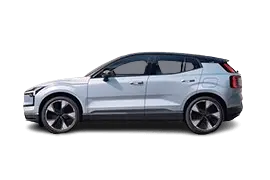
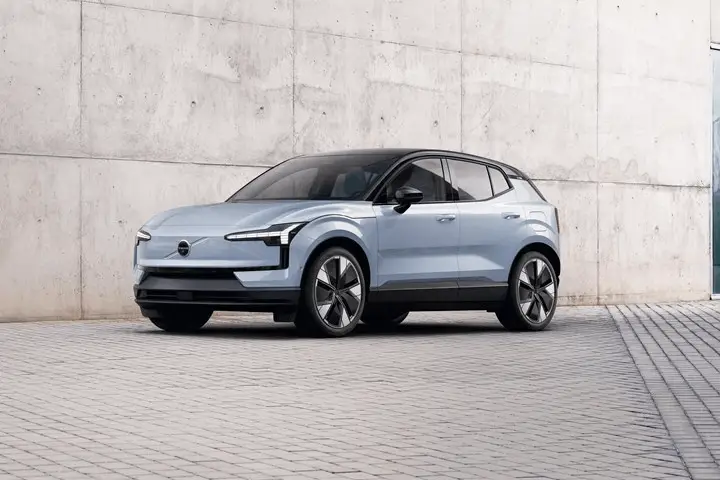
Common Issues and Problems with the Used Volvo EX30
First Generation (2024 - Present)
Infotainment System Freezing & Software Glitches Problems
The most prevalent weakness reported by early owners relates to the single-screen, Google-based infotainment system. Users frequently experience sluggishness, lag when switching between applications, and unexpected reboots or freezing. Since the central screen controls nearly all vehicle functions, this is a major frustration. A recall was even issued for a bug that could obscure the speedometer.
Common Solutions: The EX30 benefits from Over-The-Air (OTA) software updates. Volvo is actively releasing patches (e.g., versions 1.3, 1.4, 1.5) to address these stability issues. A quick fix is a soft reset of the system (holding the home button). For a used model, always verify the service history to ensure the latest software version is installed to resolve known bugs.
Charging Speed & Connectivity Issues
Owners report inconsistent charging performance, particularly with Level 2 (AC) and public DC fast chargers. Problems include slower than expected charging rates, chargers not being recognized, and scheduled charging failing. These charging faults are generally linked to software calibration and temperature management.
Common Solutions: Many charging weaknesses are expected to be fixed via future OTA updates. If charging is persistently slow, checking for dealer-performed software updates is crucial. Ensure the car's charge limit is correctly set to prevent self-imposed rate constraints and related problems.
12V Auxiliary Battery & Power Loss Problems
Like many modern EVs, the EX30 is susceptible to sudden or unexplained draining of the 12V auxiliary battery. This happens when the traction battery fails to keep the 12V unit charged, often due to an electrical or software failure. The result is a complete loss of power, leading to an unresponsive vehicle that cannot be unlocked or started.
Common Solutions: In the event of total power loss, the vehicle can be temporarily accessed using an external 12V terminal. The underlying cause requires a dealership diagnosis to check for blown fuses, a defective 12V battery, or a software/electrical fault in the charging transfer unit. Buyers of used models should ensure no active service bulletins related to this system are pending.
Rattles, Creaks, and Suspension Noises Issues
The vehicle's minimalist cabin design has led to reports of minor but irritating interior rattles and creaking noises. These sounds often originate from the door panels, dashboard trim, or suspension when driving over rough terrain. While these are quality-of-life issues rather than safety problems, they affect the car's perceived quality.
Common Solutions: This mechanical weakness usually requires a dealer visit. Service technicians are typically familiar with these noises and can apply targeted lubrication, tighten trim clips, or reinforce specific panel connections under warranty. Minor trim problems are known and generally easily resolved.
Conclusion
The Volvo EX30's initial launch has been characterized by software teething problems common to new EVs. The most immediate issues center on the stability of the central infotainment system and the consistency of charging. While 12V battery failures and interior noise problems exist, proactive Over-The-Air (OTA) updates are Volvo's main method for resolving these digital and minor mechanical faults. The most vital step for any used EX30 is to confirm that the car has received all available software and recall updates from a Volvo service center.
* Disclaimer: The information presented here is compiled from owner discussions in online communities, forums, and various open public sources. The accuracy, completeness, and reliability of this data cannot be guaranteed, and it should be used for informational purposes only.