EVspecsHub.com EVspecsHub

2016 Hyundai IONIQ Electric 28 kWh 30.5 kWh 120 hp Battery, Horsepower, Range

The 2016–2019 Hyundai IONIQ Electric 28 kWh delivers efficient electric hatchback travel with a 28 kWh usable NMC battery capacity (battery size) 280 km (174 mi) WLTP range. All specifications verified against official Hyundai data and type‑approval documents.

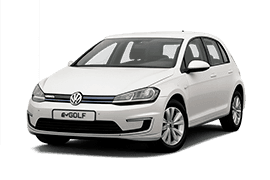
Used Volkswagen e-Golf Problems and Fixes (2013 – 2020).

Used Volkswagen e-Golf Problems and Fixes (2013 – 2020).

TESLA FORD HONDA CHEVROLET RIVIAN HYUNDAI KIA LUCID VOLKSWAGEN SKODA AUDI BMW MERCEDES RENAULT VOLVO PEUGEOT BYD XIAOMI TOYOTA NISSAN…

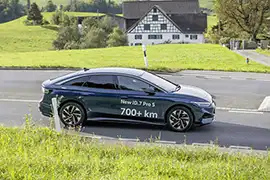
Volkswagen ID.7 Pro S — 794 km on one charge with max Battery

Volkswagen ID.7 Pro S — 794 km on one charge…

Volkswagen ID.7 Pro S — 794 km on one charge TESLA FORD HONDA CHEVROLET RIVIAN HYUNDAI KIA LUCID VOLKSWAGEN SKODA…

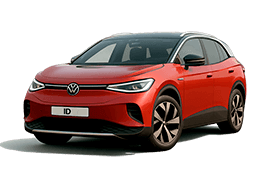
Volkswagen ID.4: American vs. European Versions, Key Differences

Volkswagen ID.4: American vs. European Versions, Key Differences

The Volkswagen ID.4 has become a significant player in the electric SUV market, but it’s important to understand that the…

POPULAR cars…

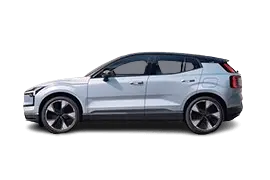
Side profile of Volvo EX30 electric SUV, showing 2,650 mm wheelbase, coupe-like roofline, and clean body lines
EX30 (2023-pr.)
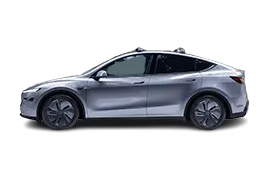
2025 Tesla Model Y Performance with dual motors, 0–100 km/h in 3.5 seconds, and long‑range battery
Model Y (2025-pr.)
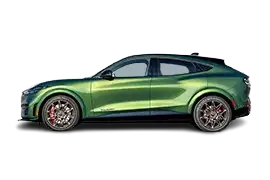
Side profile of the Ford Mustang Mach-E, showing its aerodynamic body, coupe-like roofline, and EV styling cues
Mustang Mach-E (2020-pr.)
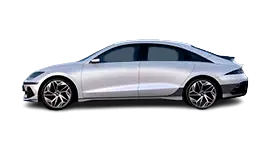
Side profile of the Hyundai Ioniq 6 illustrating its unique curved, streamliner silhouette and long 2950mm wheelbase on the E-GMP platform.
IONIQ 6 (2023-pr.)
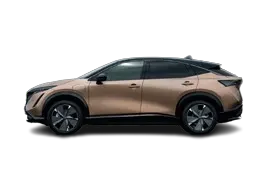
Side profile of the Nissan Ariya electric crossover, emphasizing its sleek, coupe-like silhouette, sloped roofline, and prominent wheel arches, optimized for efficiency and performance.
Ariya (2024-pr.)
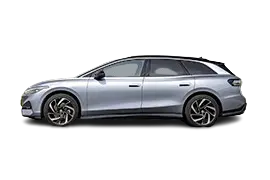
Volkswagen ID.7 Tourer side profile with 2,971 mm wheelbase, 86 kWh battery, and 200 kW fast charging.
ID.7 Tourer (2024-pr.)
Tesla Model 3 side profile showing sleek body lines and alloy wheels
Model 3 (2023-pr.)
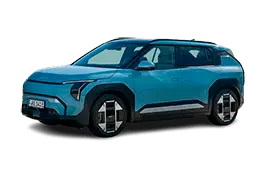
Kia EV3 side view compact electric SUV dimensions and profile
EX30 (2023-pr.)

Hyundai IONIQ Electric

28 kWh |  2016–2019

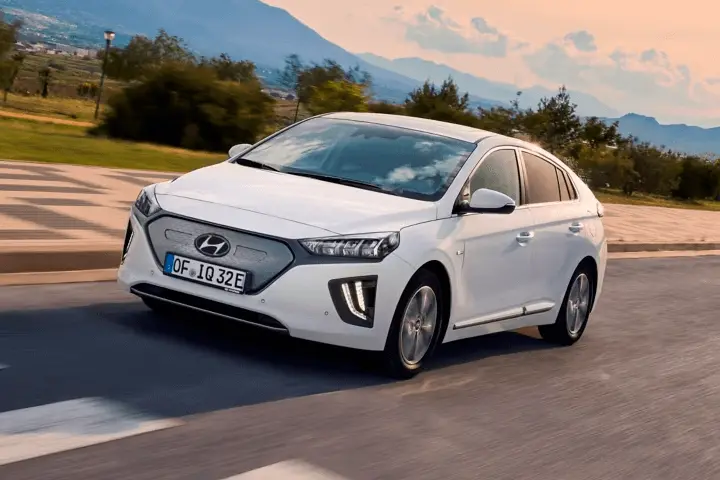
Hyundai IONIQ Electric front view – aerodynamic electric sedan with closed grille design
Hyundai IONIQ Electric
battery capacity
Capacity
range –
Range
power output
Power
acceleration
Acceleration
31 kWh
280 km

88 kW

9.9 s

TRIM (VARIANT) :

Technical Data & Performance

Model Years2016–2019
Trim (Variant)IONIQ Electric - 28 kWh
Power (Horsepower)88 kW (120 hp)
Top Speed165 km/h (103 mph)
Torque295 Nm (218 lb-ft)
Acceleration9.9 sec (0–100 km/h)
9.9 sec (0–62 mph)
DriveFWD Front-wheel drive
Motor detailsSingle Permanent Magnet Synchronous Motor
Motor codeHyundai EM09

Battery & Charging

Battery Capacity & Size28 kWh usable,
30.5 kWh gross
Max Range280 km (174 mi) / WLTP
260 km (162 mi) / EPA
Consumption15.7 kWh/100 km
Battery TypeLi-ion Polymer
Cell Format / SupplierNMC (Lithium Nickel Manganese Cobalt Oxide) | LG Chem
Battery Voltage400 V
V2L SupportedNo
Heat pumpYes
AC Home ChargingType2 / 1-phase - 6.6 kW (Max Power)
Type2 / 3-phase - 6.6 kW (Max Power)
DC Fast ChargingCCS2, 70 kW (Max Power)
27 min. (10–80%)

Dimensions & Body

Type5 door, Hatchback
Seating capacity5
Length4355 mm (171.5 in)
Width1820 mm (71.7 in)
Height1450 mm (57.1 in)
Wheelbase2600 mm (102.4 in)
Ground Clearance140 mm (5.5 in)
Curb weight1495 kg (3296 lb)
Gross weight1880 kg (4145 lb)
Trunk Volume350 L (12.4 ft³)
1410 L (49.8 ft³) max
TowingNot Supported
Drag Coefficient0.24
PlatformHyundai-Kia PBV
Estimated Market Price
* for reference only
EUR 25,000 / USD 25,000

⚠️ Please note: actual vehicle specifications may vary depending on market, trim level, or available regional packages.

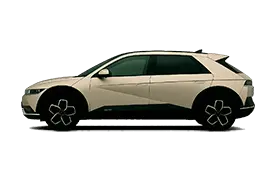
Hyundai Ioniq 5 side view, showing its unique profile, retractable door handles, and long wheelbase.
IONIQ 5 (2021-pr.)
Side profile of the Hyundai Ioniq 6 illustrating its unique curved, streamliner silhouette and long 2950mm wheelbase on the E-GMP platform.
IONIQ 6 (2023-pr.)
Hyundai Ioniq 9 180
IONIQ 9 (2025-pr.)
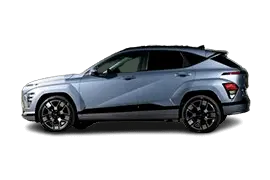
Side profile of Hyundai KONA Electric 2024, 4355 mm long, 2660 mm wheelbase, 65.4 kWh battery, 514 km WLTP range.
KONA Electric (2024-pr.)

The Evolution of the Hyundai IONIQ Electric: Key Changes and Specifications


First Generation (2016–2019)

  • Motor: Single front-mounted motor (FWD) with 88 kW (120 hp) and 295 Nm of torque.
  • Battery: Usable capacity of 28 kWh (Lithium-Ion Polymer).
  • Charging: On-board charger with 6.6 kW AC capacity. DC fast charging up to 50 kW (CCS Combo 2).
  • Range: WLTP range of 280 km (174 mi).

Second Generation (2020–2022 Facelift)

  • Motor: Upgraded single front-mounted motor (FWD) with increased power to 100 kW (136 hp) and 295 Nm of torque.
  • Battery: Upgraded usable capacity to 38.3 kWh (Lithium-Ion Polymer).
  • Charging: On-board AC charger upgraded to 7.2 kW. DC fast charging remained at a peak of 50 kW, though the charging curve was optimized.
  • Range: WLTP range increased to 311 km (193 mi).

POPULAR cars…

2025 Tesla Model Y Performance with dual motors, 0–100 km/h in 3.5 seconds, and long‑range battery
Model Y (2025-pr.)
Side profile of the Ford Mustang Mach-E, showing its aerodynamic body, coupe-like roofline, and EV styling cues
Mustang Mach-E (2020-pr.)
Side profile of the Hyundai Ioniq 6 illustrating its unique curved, streamliner silhouette and long 2950mm wheelbase on the E-GMP platform.
IONIQ 6 (2023-pr.)
Side profile of the Nissan Ariya electric crossover, emphasizing its sleek, coupe-like silhouette, sloped roofline, and prominent wheel arches, optimized for efficiency and performance.
Ariya (2022-pr.)
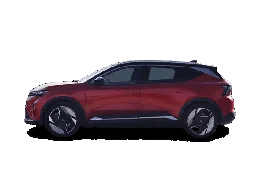
Renault Scenic E-Tech profile view showcasing vehicle dimensions, wheel design, and aerodynamics.
Scenic E-Tech (2023-pr.)
Volkswagen ID.7 Tourer side profile with 2,971 mm wheelbase, 86 kWh battery, and 200 kW fast charging.
ID.7 Tourer (2024-pr.)
Tesla Model 3 side profile showing sleek body lines and alloy wheels
Model 3 (2023-pr.)
Side profile of Volvo EX30 electric SUV, showing 2,650 mm wheelbase, coupe-like roofline, and clean body lines
EX30 (2023-pr.)

Common Issues with Used Hyundai IONIQ Electric

First Generation (2016 - 2022)

Drive Battery Degradation Problems

While generally robust, the IONIQ Electric's drive battery can experience degradation over time, particularly in hot climates. While not as severe as some early EVs, a noticeable loss of range can occur after several years of use. This is one of the key weaknesses and failures monitored by the car's Battery Management System (BMS).

Common Solutions: Regular monitoring of the State of Health (SoH) is recommended. Owners can optimize battery longevity by avoiding frequent deep discharges and limiting charging to 80% for daily use. If significant degradation occurs, the battery is covered by a long warranty in many regions, making replacement an option.

12V Auxiliary Battery Issues

The 12V auxiliary battery, which powers the car's electronics and systems, is a common failure point. A dead 12V battery can render the car inoperable, as it prevents the main high-voltage battery from activating. This is a common problem for many owners.

Common Solutions: Owners often replace the factory 12V battery with a higher-quality aftermarket AGM (Absorbent Glass Mat) battery for increased longevity. It's recommended to replace the 12V battery every 3-5 years as a preventative measure. Keeping the car connected to a charger when not in use for extended periods can also help maintain the 12V battery's charge.

Charging Port & Onboard Charger Problems

Some reports of issues with the charging port door mechanism or the onboard AC charger unit have been noted. These failures can prevent the car from charging on Level 2 (AC) chargers, a significant fault that affects usability.

Common Solutions: Regular cleaning of the charging port to prevent debris buildup is advised. In case of a problem, a professional diagnosis is necessary. The onboard charger is covered under the vehicle's warranty, and replacement is typically handled by a certified service center.

Suspension and Bushing Wear Issues

As with many vehicles, the IONIQ Electric can develop problems with suspension components, particularly worn bushings and ball joints, which can lead to noises and compromised ride quality over time. This is more common in high-mileage vehicles and is a known weakness.

Common Solutions: Regular inspections of the suspension components are recommended. Worn parts can be replaced with OEM or high-quality aftermarket components. Addressing these issues promptly can prevent further damage to other suspension parts.

Conclusion

The Hyundai IONIQ Electric is widely regarded as a highly reliable and efficient vehicle. Its well-engineered drivetrain and battery system have proven durable over the years. The most common issues and problems are relatively minor and do not affect the core functionality of the car's electric powertrain. A pre-purchase inspection should focus on the health of the high-voltage battery, the condition of the 12V auxiliary battery, and a general check of the suspension and charging systems. With proper maintenance and awareness of these potential issues and weaknesses, a used IONIQ Electric can provide a dependable and cost-effective entry into EV ownership.


* Disclaimer: The information presented here is compiled from owner discussions in online communities, forums, and various open public sources. The accuracy, completeness, and reliability of this data cannot be guaranteed, and it should be used for informational purposes only.

Frequently Asked Questions FAQ about the Hyundai IONIQ Electric 28 kWh | Range Battery size 2016 – 2019

About EVspecsHub

EVspecsHub is a non-profit informational platform dedicated to providing free electric vehicle specifications. Any future ads will support hosting and maintenance costs to keep our content accessible.

Scroll to Top