Used Volkswagen e-Golf Problems and Fixes (2013 – 2020).
TESLA FORD HONDA CHEVROLET RIVIAN HYUNDAI KIA LUCID VOLKSWAGEN SKODA AUDI BMW MERCEDES RENAULT VOLVO PEUGEOT BYD XIAOMI TOYOTA NISSAN…

TESLA FORD HONDA CHEVROLET RIVIAN HYUNDAI KIA LUCID VOLKSWAGEN SKODA AUDI BMW MERCEDES RENAULT VOLVO PEUGEOT BYD XIAOMI TOYOTA NISSAN…
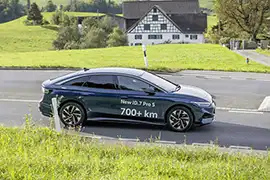
Volkswagen ID.7 Pro S — 794 km on one charge TESLA FORD HONDA CHEVROLET RIVIAN HYUNDAI KIA LUCID VOLKSWAGEN SKODA…
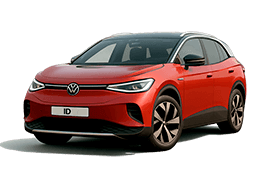
The Volkswagen ID.4 has become a significant player in the electric SUV market, but it’s important to understand that the…
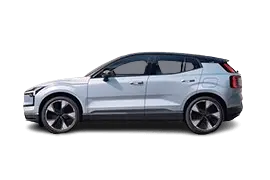
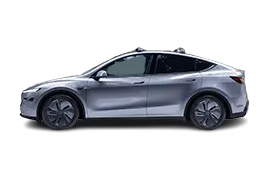
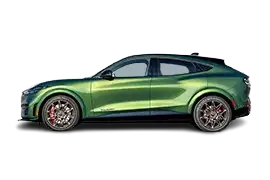
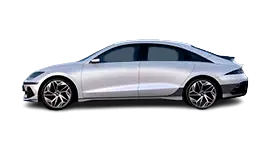
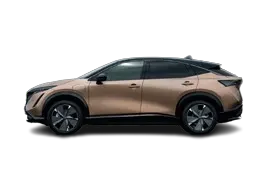
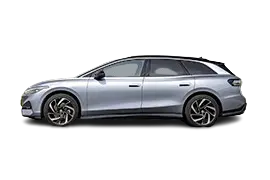

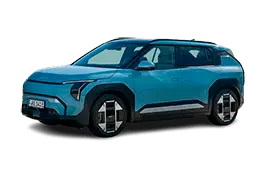
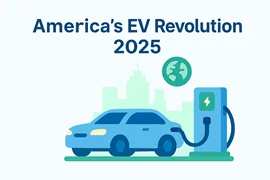
The U.S. electric vehicle market is in the midst of a rapid transformation, moving from a niche segment to a significant force in the automotive industry. This dramatic shift is fueled by a powerful mix of federal policy, a widening array of new models from both established automakers and startups, and growing consumer demand for sustainable and cost-efficient transportation.
| Year | EV Share of New Car Sales | Gasoline Car Share | Notes & Key Events |
|---|---|---|---|
| 2021 | 3.2% | 89% | Initial growth phase begins; GM and Tesla vehicles no longer qualify for federal tax credit. |
| 2022 | 5.6% | 82% | Passage of the Inflation Reduction Act (IRA), fundamentally reshaping the market with new tax credits and domestic manufacturing incentives. |
| 2023 | 7.6% | 78% | Tesla Model Y becomes the best-selling EV in the US; automakers announce over $125 billion in new domestic EV and battery investments. |
| 2024 | 8.3% | 76% | Growth pace moderates as some early adopters have already made the switch. The market shifts focus to trucks and SUVs. |
| 2025 (H1) | 9.6% | 74% | Q3 sales surge ahead of the September 30 expiration of federal tax credits, setting a new quarterly record. |
Signed into law in 2022, the IRA is the single most significant piece of legislation to accelerate U.S. EV adoption. It provides up to $7,500 in tax credits for consumers, but with strict new requirements for domestic manufacturing and battery component sourcing. This policy has triggered a massive wave of “onshoring” by automakers and battery producers, securing the U.S. as a hub for EV production.
The IRA has spurred over $125 billion in private investments, creating hundreds of thousands of new jobs in EV and battery manufacturing, particularly in states across the Midwest and South.
The number of public charging stations in the U.S. has more than doubled since 2021, driven by federal grants and private partnerships. While coverage remains a challenge in rural areas, the growth of the fast-charging network is crucial for addressing “range anxiety” and encouraging long-distance travel.
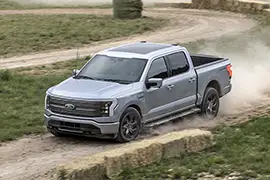
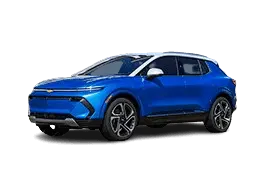
The market is no longer dominated by sedans. The introduction of popular electric trucks like the Ford F-150 Lightning and SUVs like the Chevrolet Equinox EV has made electric options appealing to a broader, more mainstream audience.
The shift to electric vehicles is a major economic driver. It’s creating new manufacturing jobs, revitalizing old industrial centers, and building a resilient domestic supply chain less reliant on foreign components. However, the market faces headwinds. The upcoming expiration of federal tax credits on September 30, 2025, is expected to cause a temporary dip in sales in Q4, as consumers have rushed to buy before the deadline. Analysts predict a period of market stabilization before growth resumes, likely driven by falling battery costs and the launch of more affordable models, such as Ford’s upcoming sub-$30k platform.
Want to compare specs, range, and battery details of America’s top-selling electric vehicles? Here’s a curated selection of models that dominate the U.S. market — from family SUVs to powerful electric trucks.
EVspecsHub is a non-profit informational platform dedicated to providing free electric vehicle specifications. Any future ads will support hosting and maintenance costs to keep our content accessible.