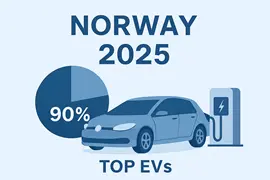
Norway is not just leading the electric vehicle transition — it’s redefining what mainstream mobility looks like. In 2025, over 96% of new cars sold are fully electric. This shift comes from long-term incentives, robust infrastructure, and strong public support.
📊 EV Market Growth in Norway: Year-by-Year Breakdown
| Year | EV Share of New Car Sales | Gasoline Car Share | Notes |
|---|---|---|---|
| 2018 | 31% | 55% | EV adoption begins to accelerate |
| 2020 | 54% | 35% | EVs surpass gasoline cars for the first time |
| 2022 | 79% | 15% | Hybrid incentives reduced |
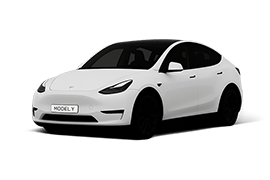
| 2023 | 82.4% | 12% | Tesla Model Y dominates sales |
| 2025 | 96.9% | <3% | EVs become the default choice |
🚗 Why Norway Leads the EV Transition
- Zero VAT and import duties on electric vehicles
- Extensive fast-charging infrastructure nationwide
- EVs enjoy bus lane access, free parking, and reduced tolls
- No domestic auto industry lobbying against electrification
🌍 Environmental and Urban Impact
EV adoption has significantly reduced CO₂ emissions and urban noise. In Oslo, over 40% of all cars are fully electric, transforming air quality and traffic dynamics. Norway’s success proves that national-scale electrification is already reality.
🔋 What’s Next?
By the end of 2025, Norway plans to electrify all city buses. By 2030, 75% of freight trucks will run on renewable energy. The EV revolution is expanding beyond passenger cars into every corner of the transport sector.
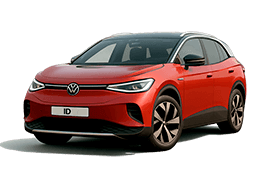
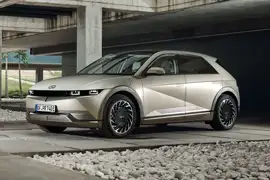
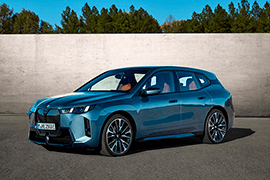
🚘 Explore Norway’s Most Popular EVs
Compare specs, range, and battery details of Norway’s top-selling EVs. Here’s a curated selection of models dominating the market — from compact city cars to long-range crossovers.