The U.S. electric vehicle market is in the midst of a rapid transformation, moving from a niche segment to a significant force in the automotive industry. This dramatic shift is fueled by a powerful mix of federal policy, a widening array of new models from both established automakers and startups, and growing consumer demand for sustainable and cost-efficient transportation.
📊 EV Market Growth in America: Key Milestones and Breakdown
| Year | EV Share of New Car Sales | Gasoline Car Share | Notes & Key Events |
|---|---|---|---|
| 2021 | 3.2% | 89% | Initial growth phase begins; GM and Tesla vehicles no longer qualify for federal tax credit. |
| 2022 | 5.6% | 82% | Passage of the Inflation Reduction Act (IRA), fundamentally reshaping the market with new tax credits and domestic manufacturing incentives. |
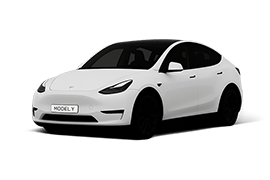
| 2023 | 7.6% | 78% | Tesla Model Y becomes the best-selling EV in the US; automakers announce over $125 billion in new domestic EV and battery investments. |
| 2024 | 8.3% | 76% | Growth pace moderates as some early adopters have already made the switch. The market shifts focus to trucks and SUVs. |
| 2025 (H1) | 9.6% | 74% | Q3 sales surge ahead of the September 30 expiration of federal tax credits, setting a new quarterly record. |
🚗 Key Drivers and Defining Moments of the U.S. EV Transition
The Inflation Reduction Act (IRA):
Signed into law in 2022, the IRA is the single most significant piece of legislation to accelerate U.S. EV adoption. It provides up to $7,500 in tax credits for consumers, but with strict new requirements for domestic manufacturing and battery component sourcing. This policy has triggered a massive wave of “onshoring” by automakers and battery producers, securing the U.S. as a hub for EV production.
The Race to Build a Domestic Supply Chain:
The IRA has spurred over $125 billion in private investments, creating hundreds of thousands of new jobs in EV and battery manufacturing, particularly in states across the Midwest and South.
Infrastructure Boom:
The number of public charging stations in the U.S. has more than doubled since 2021, driven by federal grants and private partnerships. While coverage remains a challenge in rural areas, the growth of the fast-charging network is crucial for addressing “range anxiety” and encouraging long-distance travel.
Product Diversification:
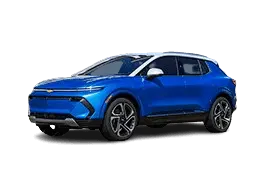
The market is no longer dominated by sedans. The introduction of popular electric trucks like the Ford F-150 Lightning and SUVs like the Chevrolet Equinox EV has made electric options appealing to a broader, more mainstream audience.
🌍 Economic Impact and Future Outlook
The shift to electric vehicles is a major economic driver. It’s creating new manufacturing jobs, revitalizing old industrial centers, and building a resilient domestic supply chain less reliant on foreign components. However, the market faces headwinds. The upcoming expiration of federal tax credits on September 30, 2025, is expected to cause a temporary dip in sales in Q4, as consumers have rushed to buy before the deadline. Analysts predict a period of market stabilization before growth resumes, likely driven by falling battery costs and the launch of more affordable models, such as Ford’s upcoming sub-$30k platform.
🚘 Explore America’s Most Popular EVs
Want to compare specs, range, and battery details of America’s top-selling electric vehicles? Here’s a curated selection of models that dominate the U.S. market — from family SUVs to powerful electric trucks.