

The used e-Golf market is genuinely a mixed bag. There are cars out there from people who bought their first EV, had no idea how to manage battery state of charge, and handed it back after three years of 100% overnight charges and daily DC fast charging on a short commute. And there are cars from careful owners in mild climates — plugged in at home every night, charged to 80%, barely touched a public rapid charger — that are outstanding used buys even with 80,000 km (50,000 miles) on the clock. This guide is about telling those two apart before any money changes hands. I've gone through years of owner complaints, NHTSA filings, TSB documentation, and repair invoices to build it. What follows is not a brochure summary — it's what people actually deal with.
1 Generations at a Glance — Two Cars, One Body
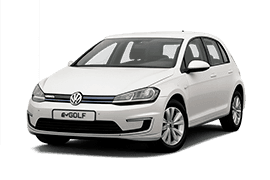
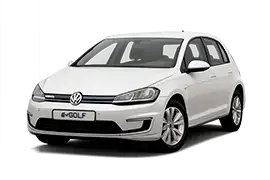
The e-Golf ran from 2014 to 2020 on Volkswagen's MK7 platform. Visually it's nearly identical to a standard Golf across all years — subtle blue grille accents and a charge port where the fuel filler would be. That discretion is one of the things owners love most. From a buying standpoint it means you need to know exactly which generation you're looking at, because the two pack sizes are meaningfully different.
- Gen 1 — 2014–2016, 24.2 kWh: EPA-rated ~83 miles (134 km). The base US trim had a 3.6 kW on-board AC charger — painfully slow at Level 2. The SEL/SEL Premium added a 7.2 kW charger and optional CCS DC fast charging. In Europe, CCS was more broadly available from the start. Real usable capacity from new: around 19–21 kWh. The 88-cell pack runs at roughly 360V nominal. Motor output: 85 kW (114 hp).
- Gen 2 — 2017–2020, 35.8 kWh: EPA range jumped to 125 miles (201 km). 7.2 kW on-board charger across all trims. CCS DC fast charging standard on SEL from 2019, optional on SE earlier. Real usable capacity from new: around 31.5–32 kWh. Motor: 100 kW (134 hp). Heat pump was offered as an option on European market cars from 2017 — important for cold-climate buyers.
✅ How to tell generations apart at a glance: Look at the charge port. Gen 1 US cars have a single J1772 AC inlet. A Gen 2 with CCS shows the familiar "chin" — two DC pins below the standard AC connector. The driver's door jamb sticker also lists gross battery capacity in kWh — a Gen 2 showing 35.8 kWh is immediately identifiable.
Back to contents
2 Battery Degradation — The Core Problem All Years
The e-Golf battery is passively cooled — no active liquid cooling circuit. That makes it more sensitive to extremes of temperature and to aggressive charging than liquid-cooled competitors. In a moderate climate with mostly Level 2 home charging, the packs hold up well. In a hot climate with heavy DC fast charging, you'll see meaningful degradation by the time the car is four or five years old.
I checked data from a 2015 SEL with 24,000 miles (38,600 km) in California — the owner calculated about 10% total pack loss at that point using consumption tracking and OBD data. That's manageable for a city car. A UK owner of a 2017 e-Golf reported 28.5 kWh usable at 70,000 miles (113,000 km) — down from the 31.5 kWh usable figure when new, so roughly 9–10% loss over significant mileage. That's from a car charged almost entirely on home Level 2. Both results are real and both represent what's achievable in temperate climates under sensible charging habits.
VW's official warranty threshold is 70% of original capacity — covered for 8 years / 160,000 km (100,000 miles) in Europe, and 8 years / 100,000 miles in the US. Getting VW to actually honor a degradation claim has frustrated owners enough that this comes up regularly. The dealer assessment process can take weeks. If a car you're looking at is borderline, get the battery reading documented before purchase, not after.
How to Actually Check the Battery
VW doesn't give you a simple state-of-health percentage anywhere in the dashboard — unlike the Nissan Leaf's bar display, the e-Golf just shows a charge "fuel gauge." The community standard is an ELM327 Bluetooth OBD-II dongle (€15–25 / $20–30) with either the OBDeleven app or the free Car Scanner ELM OBD2 app. The key reading is "Energy Content of HV Battery" in Module 19 (HV drivetrain). Fully charge the car, then read the available energy figure. Gen 1 new: ~19–21 kWh usable. Gen 2 new: ~31–32 kWh usable.
One important nuance that tripped up a lot of owners for years: what OBDeleven labels as "SOH" in the Central Electronics module is the 12V auxiliary battery's state of health — not the traction pack. Go to the HV Battery module specifically for traction pack data.
✅ Cell voltage spread tells you more than total capacity. With Car Scanner or OBDeleven you can pull all 88 individual cell voltage readings. In a healthy pack, the spread between highest and lowest cell should be under 30–40 mV at rest. A spread above 80–100 mV means a weak cell dragging the whole pack down — and a single bad cell can make a pack that's technically above the warranty threshold effectively useless on longer trips.
⚠ DC fast charging history matters. VW stated it plainly in every owner's manual from 2015 onwards: frequent consecutive DC fast charging can permanently reduce pack capacity. A car that used a CCS charger as its primary fueling method — because the owner lived in an apartment without home charging — degrades faster than one that charged at home nightly. Try to establish the charging history before buying.
Back to contents
3 Sudden Shutdown Recall — Run a VIN Check First 2015–2016
If you're looking at a 2015 or 2016 e-Golf, the first thing to do — before booking a test drive — is run the VIN through NHTSA's recall database. Campaign 16V138000 covers certain 2015–2016 models for a BMS software fault that could cause the car to cut power without warning while driving. That means no motor, no power steering assist, no brake boost — all going at once, mid-road.
The complaints filed with NHTSA on this are specific and troubling. One owner described pulling out of a parking lot into moving traffic when the car went dead with the dashboard "lighting up like a Christmas tree." Another documented the car locking up as if the brakes had been fully applied while merging onto a highway ramp. The associated fault code in most of these cases was P060C — internal control module main processor performance — in the 8C module. VW's initial dealer response was often to charge the 12V battery and clear codes, which did not resolve the underlying fault in all cases.
⚠ The DC-DC converter connection: Several 2015–2016 shutdown incidents traced back not to the BMS software but to a failing DC-DC converter — the component that steps high-voltage pack energy down to maintain the 12V system. When the DC-DC converter degrades, the 12V drops, and the BMS loses its stable reference. The car then throws electrical system errors and cuts power. If a 2015–2016 car shows a history of repeated shutdown events even after the recall software update was applied, the DC-DC converter should be tested specifically. Out-of-warranty replacement runs $1,800–$2,500 in the US, €1,500–€2,200 in Europe.
The fix is a free BMS software update at any VW dealer. Check recall status at nhtsa.gov/recalls by VIN, and ask the seller for the service record showing the update was completed — not just their word that it was.
Back to contents4 Charging Faults — Stuck Plugs & Failed Sessions 2015–2016 primarily
The e-Golf's charging system on early cars generated a specific pattern of owner complaints. The most common: the car appears to start an overnight AC charge session, then stops partway through without explanation. This was documented often enough that VW issued a TSB covering a charging module firmware update. If a 2015 car has no record of that update in its service history, assume it needs one — a dealer can apply it at any service visit.
The Stuck Charge Plug
The J1772 charge port lock mechanism on 2015–2016 cars has a documented fault where the plug remains physically locked to the inlet after a charging session ends — even after unlocking the car with the key fob. Multiple NHTSA complaints describe this. One owner at a public charger found a bystander trying to remove the plug by force and came close to damaging the inlet. The correct sequence when this happens: fully unlock the car, wait about five seconds, and press the J1772 latch button again. If the inlet has already been damaged by previous forced attempts, replacement runs approximately $300–$600 depending on damage extent.
✅ Charging verification test: Before buying any 2015 or 2016 e-Golf, plug into a Level 2 source and confirm the session starts and holds for at least 15–20 minutes. Then confirm the plug releases normally when you unlock the car. Both steps, not just one.
HVAC Reset on Every Start — 2015 US Cars Only
A quirk exclusive to 2015 US-market cars: the climate control resets to 72°F (22°C) every time the car is parked. Your temperature preference doesn't carry between sessions. This is a software configuration issue correctable through a VCDS adaptation change — either at a dealer or by a specialist with VCDS access. It was corrected in the 2016 production software, so it won't appear on later cars.
Back to contents5 The 12V Battery — Small Battery, Big Consequences All Years
Every e-Golf has a conventional 12V lead-acid battery alongside the high-voltage traction pack. It powers all the car's electronics — door locks, dashboard, charge port lock mechanism, and the BMS communication itself. When it fails, nothing works: no fob response, no door access, no charge port release, no ready mode. The car becomes a brick until the 12V is recovered.
The e-Golf's DC-DC converter is supposed to keep the 12V topped up from the main pack, but connected electronics draw continuously in the background — charge timer logic, app module keep-alives, and others — even when the car appears fully off. On cars that sit parked for more than a day or two without being plugged in, the 12V can drop below the threshold for normal operation. One owner tracked their 12V dropping from 13.0V to under 12.0V within two minutes of switching the car off. The health test came back at 36%. The DC-DC converter had been maintaining surface voltage just enough to avoid obvious symptoms, but there was nothing underneath it. Swapped the 12V, no other changes — the electrical faults that had been recurring for months stopped completely.
✅ The simplest fix is keeping the car plugged in whenever it sits for more than a day. With AC power connected, the DC-DC converter handles the 12V top-up automatically and the problem largely goes away. For the battery itself — the OEM unit is standard lead-acid, and it doesn't cope well with the partial-charge cycling these cars produce. A Bosch S5 A08 or Varta E39 (both H6/48Ah AGM format, €80–€160 / $100–$200, no coding needed) is a direct drop-in that handles the job properly. Worth doing proactively on any car over four years old, even if the voltage looks fine today. Surface voltage can look normal right up until the day it doesn't.
Back to contents
6 Heat Pump & HVAC Failures Gen 2 heat-pump cars, 2017–2020
This one took some time to piece together, because the failure pattern is specific and not immediately obvious. Heat pump-equipped e-Golfs — primarily European Gen 2 cars from 2017 onwards — use refrigerant pressure sensors connected on a LIN communication bus. When those sensors have mismatched firmware versions or different part numbers on the same bus (which happens after a partial repair where only one sensor was swapped), the system can't properly address its own components. The result is a heat pump that refuses to operate, usually accompanied by a "no heat" error on the display.
This is a documented known issue. VW's TSB reference is MC-10205423-0001 (accessible in the NHTSA TSB database). The fix requires replacing all sensors on the affected LIN bus with units sharing the same part number, then updating the HVAC control module software to version 0203 or higher. Simply swapping one sensor without matching the others makes the mismatch problem worse, not better — something a general garage wouldn't necessarily know.
⚠ Why this matters for used buyers: A car that had one refrigerant sensor replaced at a general garage may now have a mismatched LIN bus — and will either never heat properly or fail intermittently, usually starting in autumn when temperatures drop. On a warm test drive you won't see it. The range gauge is your tell: put the heater on maximum (28°C / 82°F) and the displayed remaining range should visibly drop within a minute or two — the system is pulling real power. If the number barely moves, the heater is not working despite the blower running. Sensor set replacement plus the HVAC software update runs €400–€800 / $450–$900 at a VW specialist, more at a dealer.
Cars Without the Heat Pump
Not all e-Golfs had the heat pump — it was optional on some European trims and generally not offered in the US. Without it, the car uses a resistive PTC heater, which is more reliable but much hungrier. In cold climates (Scandinavia, northern Germany, the upper US Midwest), range in winter can drop 40–50% compared to summer on a non-heat-pump car. The heat pump cuts that penalty meaningfully. Worth confirming which system a specific car has before purchasing — the option code or VCDS spec readout will confirm it.
Back to contents7 Brakes, Suspension & Corrosion All Years
Brake Inactivity — Regen's Hidden Cost
Regenerative braking does most of the stopping in an e-Golf. The friction brakes on a car used primarily in city traffic can go weeks without meaningful use. The consequences are predictable: rear caliper slider pins corrode from sitting, rotors develop surface rust (more cosmetic than structural, but a sign of low use), and on some cars the parking brake mechanism integrates into the rear caliper in a way that seizes if not exercised. A UK owner described visibly rusted rear rotors within two years of purchase on a coastal-area car. Another owner documented a dragging rear brake — a smell of warm metal from the rear corner — that turned out to be a seized slider pin that hadn't moved in over 18 months of regen-only commuting.
Catching a seized slider pin early means a service and lubrication at €70–€130 / $80–$160. Letting it progress to a fully seized piston means a caliper replacement at €180–€380 / $220–$450 per corner plus new pads and rotors. The preventive maintenance is obvious in hindsight.
✅ Something that came up from cold-climate owners more than once: once a month, find an empty road and actually use the brakes properly — hard stops from 60 km/h (37 mph), two or three in a row. It feels a bit odd to do deliberately, but it scrubs the rust off the rotors, pushes the caliper pistons through their full range, and heats the fluid briefly. The owners who developed this habit had noticeably fewer caliper issues. The ones who didn't were the ones buying calipers.
Brake Fluid — Don't Ignore the Interval
Brake fluid on an EV stays in the system much longer between thermal cycles than on a petrol car — the friction brakes simply don't heat up often enough to flag that the fluid needs changing. Change it every two years regardless of pad wear. It's an €70–€120 / $80–$140 service that protects calipers from internal corrosion and is entirely avoidable.
Other Items Worth Checking
Gen 1 cars above 80,000 km (50,000 miles) occasionally develop worn front lower arm bushings — the symptom is a dull clunk over sharp bumps at low speed, usually more noticeable over speed humps than on the motorway. An aftermarket front bushing kit runs €60–€120 in parts; the labor is 2–3 hours. Not urgent, but worth knowing about. On any older UK or Scandinavian car, take a proper look at the alloy wheel rim edges — corrosion appeared on some cars within two or three years of salt exposure. It's cosmetic, but corroded mounting surfaces behind the wheel can cause vibration and uneven brake contact that's easy to misdiagnose. Also check the rear windshield defrost: turn it on and look for uneven clearing. A broken element wire shows up as a persistent frost strip — a repair kit is cheap enough, but if the previous owner didn't notice or care, it's a minor tell about how the car was looked after generally.
Back to contents8 Repair Cost Reference All Years
Owner-reported figures, early 2026. Use as planning benchmarks — not quotes. Independent EV specialists typically charge 20–30% less than dealer labor rates for the same work.
| Repair | USA ($) | Europe (€) | Notes |
|---|---|---|---|
| HV pack replacement — Gen 1 (24.2 kWh) | $5,000–$9,000 | €4,500–€8,000 | Some independent specialists offer cell-group repair at lower cost — ask specifically. |
| HV pack replacement — Gen 2 (35.8 kWh) | $7,000–$12,000 | €6,000–€10,000 | Refurbished packs from EV specialists: €3,000–€5,000 installed. |
| DC-DC Converter (2015–2016) | $1,800–$2,500 | €1,500–€2,200 | Linked to repeated shutdown faults on 2015. Within EV drivetrain warranty period (5yr/60k mi US) it's covered; outside that — budget for it if shutdown history is present. |
| Heat pump sensor set + software (TSB MC-10205423) | $450–$900 | €400–€800 | Dealer or VCDS-equipped specialist only. HVAC software 0203+ required. |
| 12V battery (AGM — Bosch S5 A08 / Varta E39) | $100–$200 | €80–€160 | No coding required. Replace proactively on cars over 4–5 years old. |
| Rear caliper service (lube & free-up) | $80–$160 | €70–€130 | Do proactively — far cheaper than waiting for seizure. |
| Rear caliper replacement (seized) | $220–$450 per corner | €180–€380 | Plus pads and rotors if worn or contaminated. |
| Brake fluid flush | $80–$140 | €70–€120 | EV brake fluid sits much longer between heat cycles than on a petrol car. Two-year interval regardless of pad condition. |
| Annual service (cabin filter + tyre rotation) | $60–$150 | €80–€180 | No oil, no plugs, no timing belt — people coming from petrol cars are consistently surprised how short this list is. |
9 Pre-Purchase Checklist — What to Do Before Signing
Step 1 VIN Recall Check — Do This First
- Check at nhtsa.gov/recalls (US) or your local government recall database by 17-digit VIN before anything else.
- 2015–2016 cars: Confirm NHTSA recall 16V138000 (BMS software / sudden shutdown) was completed. Get the service record showing it — not just verbal confirmation.
Step 2 Battery Check — Non-Negotiable
- ELM327 Bluetooth dongle + Car Scanner ELM OBD2 app (free). Read HV battery energy content in Module 19 after a full charge at 15°C+ (59°F+) ambient.
- Gen 1 target: 17+ kWh usable (below 15 kWh = severely degraded). Gen 2 target: 27+ kWh usable.
- Check individual cell voltages: spread above 80–100 mV between highest and lowest = weak cell. Walk away or negotiate hard.
- Remember: "SOH" in Central Electronics = 12V battery only. Go to HV Battery module for traction pack data.
Step 3 Charging Verification
- Plug into Level 2 (Type 2 in Europe, J1772 in US). Confirm charging starts and holds for 15–20 minutes.
- Confirm the plug releases normally after unlocking — test specifically on 2015–2016 cars.
- If the car has CCS and fast charging matters to you, test at a public CCS charger. A car that won't initiate CCS has either a software fault or damaged inlet.
Step 4 Heater and HVAC Test
- Set heater to maximum (28°C / 82°F) and watch the remaining range estimate. It should start dropping within a minute or two — that's the system actually drawing power. No visible change in the range number means the heater isn't working, even if warm air is blowing (pre-warmed cabin air fools people).
- If the car has a heat pump, the compressor operation is noticeably quieter than resistive PTC heating. Test both modes if you can — max heat engages PTC, economy mode uses the pump.
Step 5 12V and Brake Check
- In the OBD app: 12V voltage at rest, car off, should sit at 12.5–12.8V. Give it 3–4 minutes and watch whether it holds. Dropping toward 12.0V in that time is a battery that's lost its reserve, not just its charge.
- On the test drive, use the friction brakes properly at least twice — actual hard stops from 60 km/h (37 mph). If the car pulls to one side, or one rear corner smells warm afterwards, that's a caliper that's been sitting stuck for a while. Look through the alloy spokes at the rear discs: deep pitting and a thick rust ring on the outer edge means the brakes haven't been touched in months.
10 What Holds Up Well
I've spent most of this guide on problems, so let me be equally direct about the other side. The e-Golf's permanent magnet synchronous motor and reduction gearbox are reliable in the way that matters — owner-reported failures are rare enough to be exceptional events, not background noise. Cars with 150,000 km (93,000 miles) reporting zero drivetrain issues are documented and not unusual. The gearbox runs on a lifetime fill of synthetic gear oil and simply doesn't require attention.
Regen braking preserves the friction brakes to a degree that consistently surprises owners coming from petrol cars. Pads lasting 80,000–100,000 km (50,000–62,000 miles) on primarily urban-driven cars is normal, not exceptional. Running costs without oil changes, spark plugs, timing components, or cooling system services are genuinely low — owners switching from petrol Golfs commonly report cutting their monthly maintenance spend significantly, and the numbers support it.
The MK7 Golf platform itself is solid. Interior material quality, structural rigidity, and the general feeling of the car are consistent with what people expected from a Golf — no sense of compromise for the electric drivetrain. The driving experience is refined in a way that base-model EVs from the same era often weren't.
And the battery, in a temperate climate with sensible habits, holds up better than its passive-cooling architecture might suggest. A well-managed Gen 2 from northern Europe or the UK showing 88–92% of original capacity after five years of daily use exists, is documented, and is a realistic expectation — not a best-case outlier. The degradation horror stories are real, but they are consistently tied to specific conditions: hot climates, heavy DC fast charging, chronic 100% state of charge. Understand those conditions and you can largely predict which used car you're looking at before you even plug in the OBD dongle.
🔍 Full technical specifications by battery version:
Disclaimer: Compiled from owner-reported experiences, NHTSA complaints and TSB filings, and real repair cost data shared publicly. Not guaranteed to be exhaustive — use as a starting framework, not a final word. Data current as of March 2026. Always verify open recalls at nhtsa.gov (US) or your local government recall database before purchase.